12 Heart-Healthy Soups for Cold Days
12 Heart-Healthy Soups for Cold Days
Listen, I get it. When the temperature drops and you can see your breath in the morning air, the last thing you want is another boring salad or bland grilled chicken. You want comfort. You want warmth. You want something that makes you feel like everything’s going to be okay.
But here’s the thing: most of us also want to keep our hearts healthy without feeling like we’re eating cardboard. The good news? You don’t have to choose between delicious comfort food and cardiovascular wellness. Heart-healthy soups can deliver both, and I’m about to prove it to you.
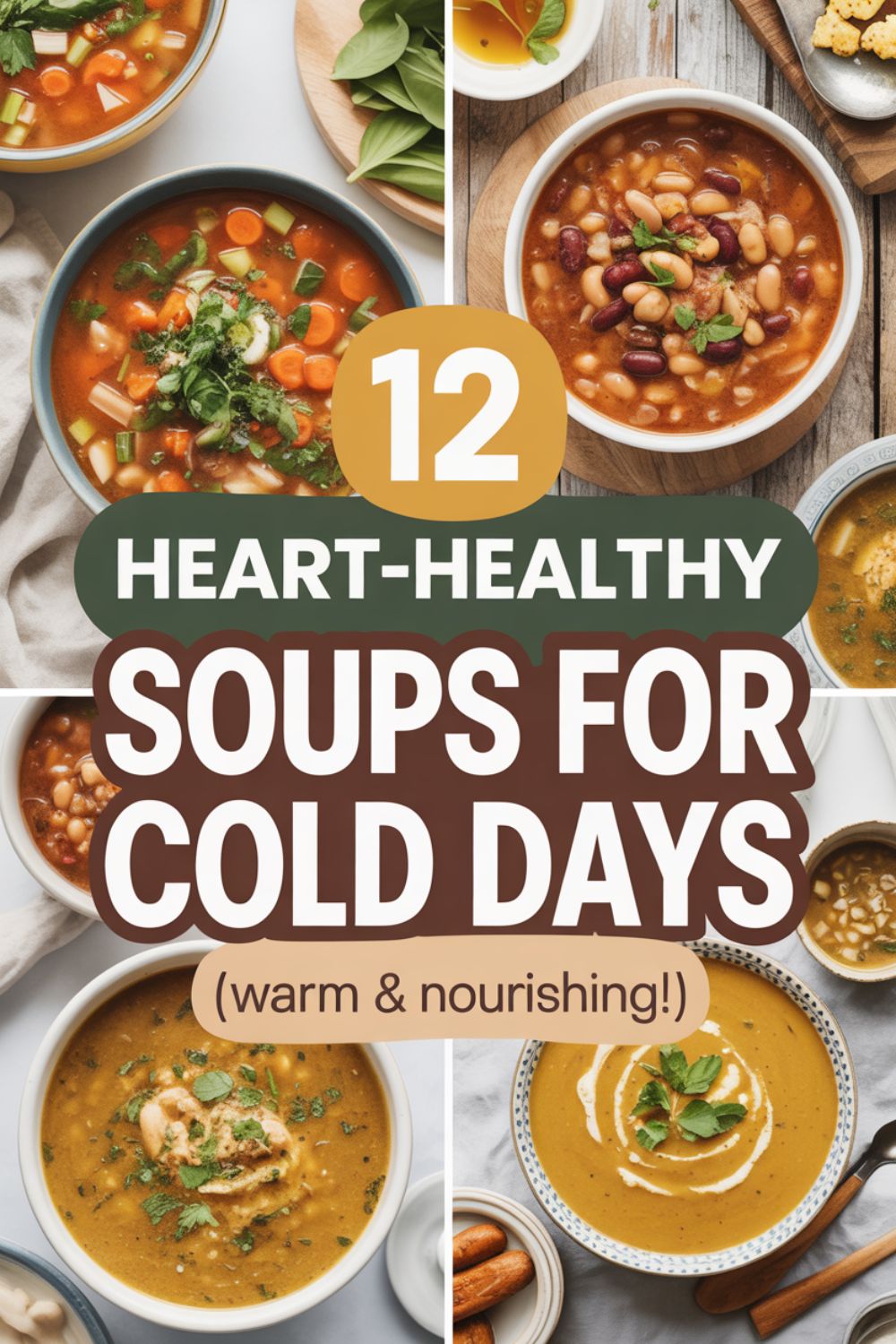
I’ve been making these soups for years, and they’ve become my go-to weapons against both cold weather and high cholesterol. Some of them have literally changed the way I think about healthy eating. No joke, one of these got my dad—a lifelong meat-and-potatoes guy—to voluntarily eat kale. That’s the power of a really good soup.
Join Our Heart-Healthy Community!
Get exclusive recipes, meal prep tips, and heart-healthy hacks delivered straight to your phone. Join 10,000+ members who are eating better without the boring!
Join WhatsApp ChannelWhy Soups Are Secretly Amazing for Your Heart
Before we jump into the recipes, let’s talk about why soup deserves a spot in your heart-healthy arsenal. According to the American Heart Association, most Americans consume way too much sodium—we’re talking about 3,400 mg daily when we should be sticking to 2,300 mg or less. Store-bought soups? They’re often sodium bombs in a can.
But homemade soup? That’s where the magic happens. You control the salt, you pack in the veggies, and you get all those nutrients that your heart actually craves. Plus, the broth preserves vitamins and minerals that typically get lost when you boil or steam ingredients separately. It’s like nutritional insurance in a bowl.
Research shows that diets rich in vegetables, legumes, and whole grains—all soup staples—can significantly reduce your risk of cardiovascular disease. And unlike supplements or weird diet plans, soup is something you’ll actually want to eat. Revolutionary concept, right?
1. Mediterranean White Bean Soup
This one’s my personal favorite, and for good reason. White beans are packed with fiber and protein, both of which help keep your cholesterol levels in check. The Mediterranean diet has been rated as one of the best overall diets by nutrition experts for years running, and this soup captures everything great about it.
I use cannellini beans as my base, throw in some tomatoes, garlic, and a generous handful of fresh spinach. The key? A drizzle of quality olive oil at the end. Don’t skip this step—olive oil contains heart-healthy monounsaturated fats that actually help reduce bad cholesterol.
Pro tip: I swear by this immersion blender for getting the perfect creamy texture without actually adding cream. You can blend half the soup and leave the other half chunky for texture. It’s a game changer, trust me.
2. Lentil and Vegetable Powerhouse
Want to know a secret? Lentils are one of the most underrated heart-healthy ingredients out there. They’re loaded with folate, which supports blood vessel health and may reduce stroke risk. Plus, they pack a whopping 16 grams of fiber per cup. That’s serious business for your cardiovascular system.
I make this soup with red lentils because they cook faster and basically melt into the broth, creating this naturally thick, satisfying texture. Add carrots, celery, onions, and whatever other veggies you have lying around. It’s basically impossible to mess this one up.
The beauty of lentil soup is that it freezes incredibly well. I usually make a huge batch in my 8-quart Dutch oven and freeze portions for those nights when cooking feels like climbing Everest. Future you will thank present you, I promise.
Looking for more protein-packed options? Check out these heart-healthy snacks to eat daily that pair perfectly with a light soup lunch.
3. Chicken and Wild Rice Wonder
Chicken soup isn’t just good for the soul—it’s legit good for your heart, too. The trick is using skinless chicken breast for lean protein and adding wild rice instead of regular white rice. Wild rice brings way more fiber and nutrients to the party, plus it has this amazing nutty flavor that makes the soup feel more sophisticated.
I load this soup up with vegetables: carrots, celery, onions, and usually a huge handful of fresh spinach right at the end. The spinach wilts perfectly and adds a pop of color that makes it look like something from a restaurant instead of your Tuesday night dinner.
Here’s something nobody tells you: adding a splash of apple cider vinegar at the very end brightens the whole thing up. Just a tablespoon makes all the flavors pop without being detectable as vinegar. Weird but effective.
4. Tomato Basil (Without the Cream)
Traditional tomato soup recipes are swimming in heavy cream and butter, which is delicious but not exactly what your arteries are begging for. This version skips the cream entirely but still tastes indulgent thanks to one weird trick: I blend in white beans.
Seriously. A can of cannellini beans, drained and rinsed, blended into tomato soup creates this velvety texture that tricks your brain into thinking it’s creamy. Plus, you’re sneaking in extra fiber and protein. It’s nutritional subterfuge at its finest.
Fresh basil is non-negotiable here. The dried stuff just doesn’t cut it. I grow basil on my windowsill year-round in these self-watering herb pots—seriously the best $20 I ever spent on my kitchen game. Fresh herbs make everything taste expensive.
If you’re into more complete meal solutions, you’ll love these 25 easy heart-healthy meals for beginners that include plenty of soup options.
5. Moroccan Chickpea and Vegetable
This one’s got flavor for days. I’m talking cumin, coriander, turmeric, cinnamon, and a touch of harissa paste if you like heat. The spice blend makes it taste complex and exotic, even though it’s basically just chickpeas and vegetables hanging out in broth.
Chickpeas are another legume superstar—high in fiber, high in protein, and they help keep your blood sugar stable. I usually add sweet potatoes, which bring natural sweetness and pack in vitamin A and potassium. Potassium is clutch for heart health because it helps counteract the effects of sodium.
Want to take it over the top? Top each bowl with a dollop of plain Greek yogurt and some fresh cilantro. The cooling yogurt against the warm spices is *chef’s kiss* perfection. Just make sure you’re using low-fat yogurt to keep it heart-friendly.
6. Minestrone That Doesn’t Suck
Real talk: most minestrone soup is boring. But when you do it right? It’s a vegetable party in your mouth. The key is loading it with different textures and colors—carrots, celery, zucchini, green beans, tomatoes, and kidney beans. The variety keeps every spoonful interesting.
I skip the pasta entirely (or use whole wheat if I’m feeling it) and add extra beans instead. More protein, more fiber, less refined carbs. Your heart will thank you, and honestly, you won’t even miss the pasta once you taste how good this is.
The secret weapon here is the parmesan rind. If you buy real Parmigiano-Reggiano (you should), save those rinds in the freezer. Toss one into your minestrone while it simmers, and it infuses the entire pot with this deep, umami richness. Fish it out before serving. This trick will change your soup game forever.
For even more dinner inspiration, check out these 30 heart-healthy recipes for busy weeknights that complement your soup rotation beautifully.
The 15 Best Kitchen Tools for Heart-Healthy Cooking (2025 Guide)
Making soups is easier when you have the right gear. I spent months testing dozens of products to find which tools actually make heart-healthy cooking faster, easier, and more enjoyable. From the best low-sodium measuring spoons to the Dutch oven that changed my soup game forever—this guide has everything.
Read the Full Guide →7. Thai-Inspired Coconut Curry Soup
Hold up—isn’t coconut milk full of saturated fat? Yes, but hear me out. A little bit of coconut milk goes a long way in creating that creamy, rich texture. I use light coconut milk and balance it with tons of vegetables and lean protein.
This soup is loaded with anti-inflammatory ingredients: turmeric, ginger, garlic, and lime. These aren’t just buzzword ingredients—they genuinely support cardiovascular health. Plus, the combination makes your kitchen smell absolutely incredible while it cooks.
I throw in whatever vegetables I have: bell peppers, snap peas, mushrooms, bok choy. Add some shrimp or chicken if you want protein, or keep it vegetarian with tofu. Either way, it’s stupid delicious and feels way more indulgent than it actually is.
FYI, I use this spiral vegetable slicer to make veggie noodles that I add at the very end. They hold their shape better than regular noodles and add virtually no calories. Plus they look fancy, which matters when you’re eating alone and pretending you have your life together.
8. Butternut Squash and Apple
This one’s perfect for fall but honestly good any time you want something slightly sweet and completely satisfying. Butternut squash is rich in fiber and packed with vitamin A, while apples add natural sweetness without any added sugar.
I roast the squash first instead of just boiling it. This extra step caramelizes the natural sugars and adds depth you can’t get any other way. Toss the squash chunks with a tiny bit of olive oil and roast at 400°F until they’re starting to brown at the edges. Game changer.
A hint of nutmeg and cinnamon makes this soup taste cozy without being overwhelming. And here’s a weird addition that works: a tablespoon of tahini blended in at the end. It adds creaminess and a subtle nutty flavor that makes people ask, “What’s in this?” in the best possible way.
9. Black Bean and Sweet Potato Fiesta
This soup is basically a nutritional powerhouse disguised as comfort food. Black beans bring fiber and protein to the table, while sweet potatoes deliver beta-carotene, vitamin C, and potassium. It’s like a multivitamin you can eat with a spoon.
I keep this one super simple: sauté onions and garlic, add cumin and chili powder, throw in diced sweet potatoes and black beans, cover with low-sodium vegetable broth, and simmer until the sweet potatoes are tender. That’s it. Sometimes the best recipes are the uncomplicated ones.
Top it with fresh cilantro, a squeeze of lime, and a sprinkle of pepitas (pumpkin seeds). The pepitas add this great crunch and are full of heart-healthy magnesium. I buy them in bulk from this organic pepitas bag because I go through them like crazy.
Speaking of complete meals, these 25 low-cholesterol meals doctors actually recommend include several soup options that work perfectly for meal prep.
Why Quinoa Is a Heart-Healthy Superfood (+ 20 Easy Recipes)
Want to add quinoa to your soup rotation? This complete guide covers everything: how quinoa lowers cholesterol, the best brands to buy, cooking mistakes to avoid, and 20 heart-healthy quinoa recipes that actually taste good. Plus, I tested 12 different quinoa cookers to find the one that makes perfect fluffy quinoa every single time.
Discover the Quinoa Guide →10. Mushroom Barley Comfort Bowl
Barley is one of those whole grains that doesn’t get enough love. It’s incredibly high in soluble fiber—the kind that actually helps lower cholesterol. Plus it has this wonderful chewy texture that makes soup more satisfying.
I use a mix of mushrooms here: cremini, shiitake, and whatever else looks good at the store. Mushrooms are naturally low in sodium and add this deep, savory flavor (umami, if you want to get fancy about it) that makes the soup taste richer than it actually is.
The trick with barley soup is not to overcook it. Add the barley about 30 minutes before you want to eat, and it’ll be perfectly tender without turning mushy. Nobody wants mushy barley—it’s a texture crime.
I finish this one with a splash of low-sodium soy sauce and a handful of fresh thyme. Sounds weird, tastes amazing. Trust the process.
11. Split Pea Soup (Yes, Really)
I know, I know. Split pea soup sounds like something your grandmother made in 1952. But stay with me here, because when you make it right, it’s actually fantastic. Plus, split peas are ridiculously high in fiber and protein while being naturally low in fat.
Traditional split pea soup uses ham hocks, which are delicious but not exactly heart-healthy. I skip the pork entirely and use smoked paprika instead. You get that smoky flavor without all the saturated fat. It’s a fair trade, IMO.
The key to good split pea soup is patience. Let it simmer low and slow until the peas break down and create that thick, creamy texture naturally. No cream needed, no immersion blender required. The peas do all the work themselves.
Add plenty of carrots, celery, and onions. These vegetables (often called a “mirepoix” by fancy people) form the flavor foundation. I dice them small so they blend into the soup and add nutrition without being obvious. Sneaky vegetables are the best vegetables.
12. Roasted Red Pepper and Cauliflower
This is my secret weapon soup. It looks fancy, tastes incredible, and is shockingly healthy. Roasted red peppers bring sweetness and vitamin C, while cauliflower adds substance and creaminess when blended without any actual cream.
I roast both vegetables together on a sheet pan with this silicone baking mat (no more scrubbing burned bits off your pan—you’re welcome). The roasting intensifies their flavors and adds that caramelized depth you can’t get from boiling.
Blend everything smooth with vegetable broth, add a touch of smoked paprika, and finish with a swirl of pesto made with olive oil. It’s vibrant red, looks Instagram-worthy, and tastes like you spent hours on it when you actually didn’t.
This soup reheats beautifully, so it’s perfect for meal prep. I portion it into these glass meal prep containers and grab one for lunch throughout the week. It’s way better than whatever sad sandwich you were planning to eat at your desk.
Looking for more heart-smart options? Don’t miss these 20 heart-healthy lunch ideas for work that pair perfectly with your soup meal prep strategy.
The Soup-Making Essentials You Actually Need
Let’s talk equipment for a second. You don’t need a million fancy gadgets, but a few key tools make soup-making way easier. A good quality heavy-bottomed stock pot distributes heat evenly and prevents burning. Worth every penny.
An immersion blender is clutch for creating creamy soups without the hassle of transferring hot liquid to a regular blender. Safety first, people. Plus, it means fewer dishes to wash, which is basically my love language.
Get yourself some quality glass storage containers with tight-fitting lids. Soup freezes beautifully, and having good containers means you can always have homemade soup ready to go. It’s like having a personal chef, except the chef is past you being smart about meal prep.
Making Low-Sodium Broth Work for You
Here’s the truth: low-sodium broth can taste like water if you don’t know how to use it properly. But it’s essential for heart health because most commercial broths are sodium bombs. The solution? Layer flavors.
Start by sautéing your aromatics (onions, garlic, celery) in a tiny bit of olive oil until they’re caramelized. This builds a flavor base that makes up for the missing salt. Then add your low-sodium broth and boost it with herbs, spices, a splash of vinegar, or a splash of low-sodium soy sauce.
I keep these organic low-sodium broths stocked in my pantry at all times. The vegetable one works for basically everything, and the chicken one is perfect when you want that classic comfort soup vibe.
You can also make your own broth from vegetable scraps. Save onion peels, carrot tops, celery leaves, and herb stems in a freezer bag. When it’s full, simmer everything in water for an hour, strain, and boom—free, ultra-low-sodium broth that tastes way better than anything from a box.
Want More Recipes Like These?
Join our WhatsApp community for daily recipe inspiration, cooking shortcuts, and heart-healthy meal ideas you’ll actually make. No spam, just good food!
Join Free Channel NowSoup Tips Nobody Tells You
Always add a splash of acid at the end. Lemon juice, lime juice, or vinegar brightens flavors and makes everything taste more vibrant. It’s the difference between “meh, this is fine” and “holy crap, this is amazing.”
Don’t boil your soup violently. A gentle simmer is your friend. Aggressive boiling can break down vegetables too much and make the broth cloudy. Low and slow wins the race, especially with soups.
Salt your soup in stages. Add a little at the beginning, more halfway through, and adjust at the end. This layering technique makes everything taste better than dumping all the salt in at once. Even with low-sodium cooking, this principle holds true.
Fresh herbs should go in at the very end. Dried herbs can simmer for hours, but fresh ones lose their flavor and brightness if you add them too early. Stir them in right before serving for maximum impact.
Final Thoughts on Soup and Heart Health
Here’s the bottom line: you don’t need to eat like a rabbit to take care of your heart. These twelve soups prove that heart-healthy eating can be delicious, satisfying, and actually something you look forward to.
The best part about soup? It scales beautifully. Make a huge batch on Sunday, and you’ve got lunch or dinner sorted for half the week. Freeze portions for those nights when you’re too exhausted to think about cooking. It’s the ultimate meal prep hack for people who want to eat well without spending every evening in the kitchen.
Start with one or two recipes that sound good to you. Get comfortable with them. Then branch out and try the others. Before you know it, you’ll have a rotation of heart-healthy soups that actually excite you instead of feeling like nutritional punishment.
Your heart (and your taste buds) will thank you. And honestly? Future you will appreciate the effort when your cholesterol numbers look better and you feel genuinely good about what you’re eating. That’s a win-win situation if I’ve ever seen one.
Now if you’ll excuse me, I have some lentil soup calling my name from the fridge. Happy soup-making!