30 Low-Cholesterol Recipes You Can Meal Prep
Look, I’m not going to sugarcoat it—when your doctor mentions the dreaded “C” word (cholesterol, not the other one), it feels like your entire food relationship is about to get complicated. But here’s what I’ve learned after years of batch-cooking Sunday dinners and stocking my fridge with ready-to-go meals: managing cholesterol doesn’t mean you’re sentenced to eating cardboard with a side of sadness.
Meal prepping low-cholesterol recipes actually makes the whole thing easier. You’re not standing in front of the fridge at 7 PM, exhausted and vulnerable to bad decisions. You’ve got your arsenal ready—heart-healthy meals that taste good and keep your arteries happy. Win-win.

Why Meal Prepping Actually Works for Cholesterol Management
Here’s the thing about cholesterol—it responds to consistency. You can’t just eat a virtuous salmon salad on Monday and then destroy a bacon cheeseburger on Tuesday and expect your numbers to behave. Research from Mayo Clinic shows that consistent dietary changes can improve cholesterol levels within weeks, but the keyword is consistent.
Meal prepping removes the guesswork. When you batch-cook fiber-rich meals on Sunday, you’re setting yourself up for success all week. No last-minute takeout runs, no “I’ll just grab whatever” moments that tank your progress. Plus, when you prep ingredients in bulk—chopping vegetables, cooking grains, portioning proteins—you actually save money compared to buying individual ready-made “heart-healthy” meals that cost a fortune.
The science backs this up too. According to Harvard Health, foods high in soluble fiber—like oats, beans, and lentils—bind to cholesterol in your digestive system and help eliminate it before it enters your bloodstream. When these ingredients are already prepped and waiting in your fridge, you’re way more likely to actually eat them.
The Breakfast Brigade: Start Your Day Right
1. Overnight Oats with Berries and Walnuts
I make five of these at once in mason jars every Sunday night. The oats sit in almond milk with a touch of maple syrup, and in the morning, I top them with whatever berries look good and a handful of walnuts. The soluble fiber in oats works overtime to lower LDL cholesterol, and the walnuts add omega-3s that your heart will thank you for.
Premium Glass Mason Jars Set
These are the exact jars I use every single week. Wide-mouth design makes filling and eating easier, leak-proof lids mean no disasters in your bag, and they’re dishwasher safe. Game-changer for overnight oats and mason jar salads.
Check Price →Mix rolled oats with unsweetened almond milk, chia seeds, and a dash of cinnamon. Top with fresh blueberries and chopped walnuts before serving. Each jar stays fresh for up to five days, which means you’re covered Monday through Friday. Get Full Recipe.
2. Veggie-Packed Egg Muffins
These little guys are a game-changer. I use a silicone muffin pan because nothing sticks, and cleanup is stupid-easy. Whisk together egg whites (or a mix of whole eggs and whites if you want some yolk), throw in spinach, diced tomatoes, mushrooms, and bell peppers, then bake. Boom—grab-and-go breakfast for days.
You can customize these based on what’s in your fridge. Got leftover roasted vegetables? Toss them in. Want to add some turkey bacon? Go for it—just keep portions reasonable. For more morning inspiration, you might love these heart-healthy breakfasts under 300 calories that pair perfectly with your weekly routine.
3. Quinoa Breakfast Bowls
Quinoa isn’t just for lunch. Cook a big batch in vegetable broth for extra flavor, then portion it into containers. When you’re ready to eat, reheat and top with sliced banana, a drizzle of almond butter, and a sprinkle of cinnamon. The protein in quinoa keeps you full, and unlike traditional breakfast cereals loaded with sugar, this won’t spike your blood sugar.
4. Chia Seed Pudding
Mix chia seeds with coconut milk (the light kind, not the full-fat stuff in a can), vanilla extract, and a touch of honey. Let it sit overnight and you’ve got pudding that’s loaded with omega-3s and fiber. Top with fresh mango or strawberries. I prep these in small glass containers with lids—they stack beautifully in the fridge and look fancy without any effort.
5. Spinach and Mushroom Frittata Squares
Make one big frittata in a cast-iron skillet, then cut it into squares. Sauté mushrooms and spinach first (garlic is non-negotiable), then pour over beaten eggs and bake. These reheat beautifully and you can eat them hot or cold. FYI, the phytosterols in mushrooms actually compete with cholesterol for absorption in your gut, which is pretty cool.
Lunch Lineup: Midday Fuel That Doesn’t Fail
6. Mediterranean Chickpea Salad
This is my go-to when I’m too lazy to actually cook but still want something filling. Drain and rinse canned chickpeas (or cook dried ones if you’re feeling ambitious), then toss with diced cucumber, cherry tomatoes, red onion, kalamata olives, and fresh parsley. Dress with lemon juice, olive oil, and oregano. The fiber content in chickpeas is no joke—one serving packs about 12 grams.
I pack this in divided lunch containers with a piece of whole-grain pita on the side. Stays fresh for four days, and honestly, it tastes better after marinating for a day or two. If you’re into this style of eating, check out these heart-healthy Mediterranean-style dinners for even more inspiration.
7. Turkey and Veggie Lettuce Wraps
Cook lean ground turkey with garlic, ginger, and low-sodium soy sauce. Add diced water chestnuts for crunch and shredded carrots for color. Store the mixture separately from butter lettuce leaves—you’ll assemble these when you’re ready to eat. Trust me, soggy lettuce wraps are sad lettuce wraps.
8. Lentil and Vegetable Soup
Soup freezes like a dream, which makes it perfect for meal prep. I make a huge pot with red lentils, carrots, celery, tomatoes, and vegetable broth. Season with cumin and turmeric for anti-inflammatory benefits. Get Full Recipe. The soluble fiber in lentils helps sweep cholesterol out of your system, and you can reheat this straight from frozen in about 10 minutes.
Batch-cooking soups is one of those habits that pays off big time. For more warming options, browse through these heart-healthy soups perfect for cold days—they’re all meal-prep friendly.
9. Quinoa Buddha Bowls
Layer cooked quinoa, roasted sweet potato, steamed broccoli, chickpeas, and avocado. Drizzle with tahini sauce (tahini, lemon juice, garlic, water). Everything stores separately, so you’re assembling fresh each day. The variety of textures and flavors keeps things interesting, which matters when you’re eating the same base ingredients all week.
10. Tuna and White Bean Salad
Mix canned tuna (in water, not oil) with cannellini beans, diced red onion, cherry tomatoes, and arugula. Dress with lemon juice and a touch of olive oil. This keeps for about three days, and the combination of lean protein and fiber makes it surprisingly filling. I eat mine with whole-grain crackers or stuff it into a whole-wheat pita.
Dinner Winners: Evening Meals That Deliver
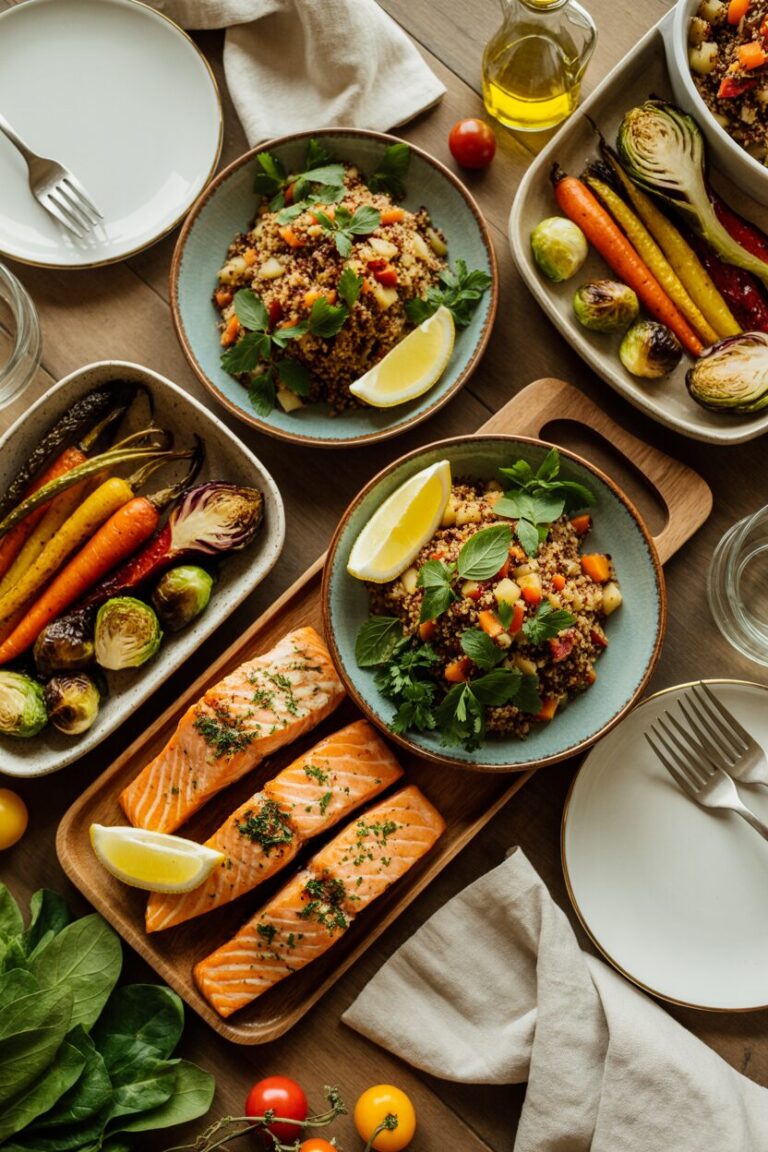
11. Baked Salmon with Roasted Vegetables
Salmon is basically the MVP of heart-healthy eating. The omega-3 fatty acids in fatty fish like salmon can help lower triglycerides and reduce inflammation. Season salmon fillets with lemon, dill, and garlic, then bake alongside Brussels sprouts, bell peppers, and zucchini. Everything goes on parchment-lined sheet pans—cleanup is minimal, and the meal tastes restaurant-quality.
Glass Meal Prep Container Set (15-Pack)
Seriously, these changed my meal prep game. BPA-free glass, microwave and dishwasher safe, and the lids actually seal properly. I’ve been using the same set for two years—they don’t stain, don’t smell, and stack perfectly. Worth every penny.
View Product →I portion these into glass meal prep containers right after cooking. They reheat well, though I’ll be honest—salmon is even better eaten cold the next day with a squeeze of fresh lemon. Speaking of seafood, you’ll want to explore these heart-healthy recipes perfect for busy weeknights.
12. Chicken and Vegetable Stir-Fry
Cut chicken breast into bite-sized pieces and stir-fry with snap peas, bell peppers, broccoli, and carrots. Use low-sodium soy sauce, fresh ginger, and garlic for flavor. Serve over brown rice. The trick here is cooking the rice separately—you can make a huge batch of brown rice and freeze portions in zip-top bags. Flattening the bags before freezing makes them stack nicely and defrost faster.
13. Turkey Chili
Ground turkey, kidney beans, black beans, diced tomatoes, onions, peppers, and chili spices. Let this simmer for an hour until everything melds together. This freezes beautifully, and honestly, chili tastes better after sitting for a day. Top with diced avocado and a dollop of plain Greek yogurt instead of sour cream. Get Full Recipe.
14. Baked Cod with Sweet Potato Wedges
Cod is a mild white fish that takes on whatever flavors you throw at it. I season mine with paprika and garlic powder, then bake it with sweet potato wedges seasoned with rosemary. The beta-carotene in sweet potatoes supports overall cardiovascular health, plus they’re delicious and naturally sweet without needing any added sugar.
15. Vegetarian Stuffed Peppers
Cut bell peppers in half, remove seeds, and stuff them with a mixture of cooked brown rice, black beans, corn, diced tomatoes, and cumin. Top with a tiny sprinkle of cheese if you want (just keep it reasonable), then bake. These freeze individually wrapped, which means you can pull out exactly how many you need. For more plant-forward options, check out these easy heart-healthy meals for beginners.
IMO, stuffed peppers are one of the most underrated meal prep options. They’re colorful, filling, and you can change up the filling based on what’s in season or what you’re craving.
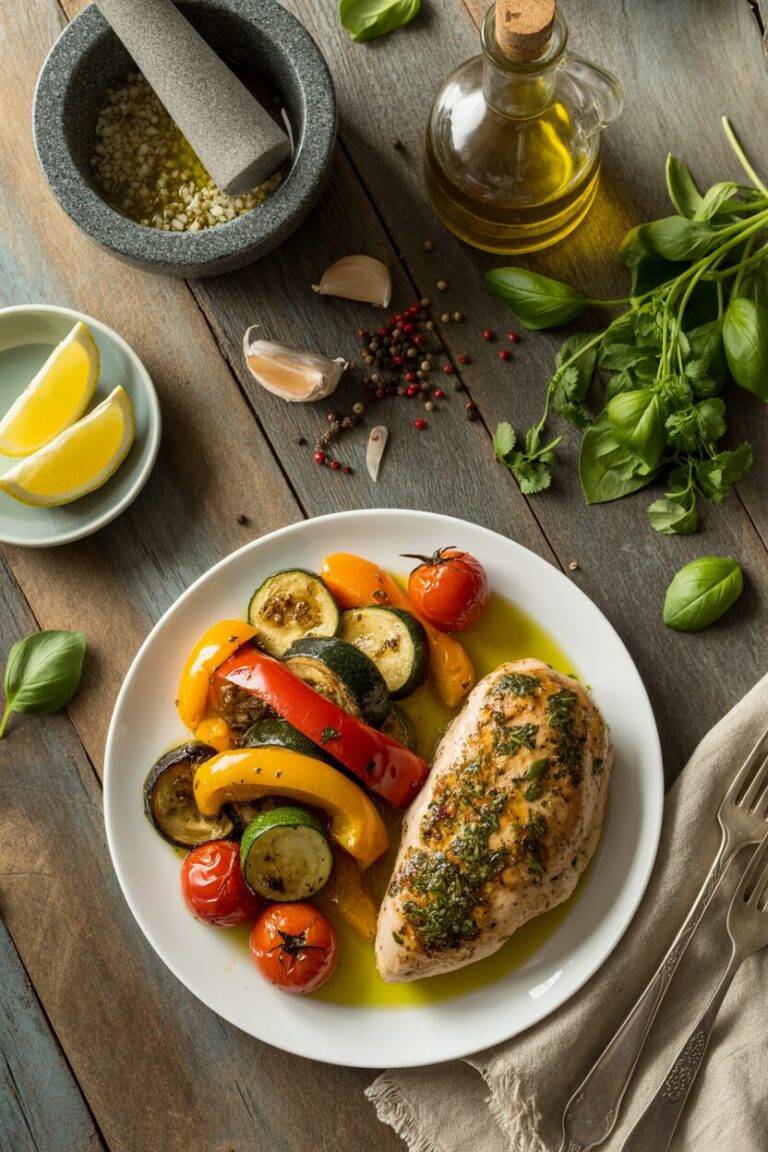
16. Lemon Herb Chicken with Quinoa
Marinate chicken breasts in lemon juice, olive oil, garlic, and fresh herbs (rosemary, thyme, oregano). Grill or bake, then serve over quinoa with a side of steamed green beans. The monounsaturated fats in olive oil help improve your cholesterol profile, and the herbs add tons of flavor without any sodium.
17. Shrimp and Zucchini Noodles
Spiralize zucchini (or buy pre-spiralized if you’re not trying to impress anyone), sauté shrimp with garlic and cherry tomatoes, then toss everything together. A spiralizer is honestly one of the best kitchen tools I’ve bought—it makes vegetables way more interesting. The zucchini noodles keep for about three days before getting too watery, so make these mid-week if you’re prepping Sunday through Thursday.
18. Black Bean and Sweet Potato Tacos
Roast diced sweet potatoes until crispy, warm black beans with cumin and chili powder, and store everything separately. Grab whole-wheat tortillas or corn tortillas when you’re ready to eat. Top with shredded cabbage, salsa, and avocado. These components stay fresh for five days easily, and you can mix things up by using different toppings throughout the week.
19. Baked Chicken Fajitas
Slice chicken breast, bell peppers, and onions, toss with fajita seasoning and a touch of olive oil, then spread on a large baking sheet. Bake until the chicken is cooked through and the vegetables are slightly charred. Store in containers and reheat when needed. Serve with whole-wheat tortillas, salsa, and guacamole. This is basically foolproof and tastes fresh even days later.
20. Teriyaki Salmon Bowls
Make a quick teriyaki sauce with low-sodium soy sauce, rice vinegar, fresh ginger, and a touch of honey. Brush onto salmon before baking. Serve over brown rice with edamame and shredded carrots. The soy protein in edamame has been shown to help lower LDL cholesterol, which is a nice bonus to an already delicious meal.
Snacks and Sides That Support Your Goals
21. Roasted Chickpeas
Drain, rinse, and thoroughly dry canned chickpeas. Toss with a tiny bit of olive oil and whatever seasonings you’re feeling (I love smoked paprika, garlic powder, and a pinch of cayenne). Roast at 400°F until crispy, about 30-40 minutes, shaking the pan occasionally. These stay crunchy for about a week in an airtight container and are way better than chips.
22. Veggie Sticks with Hummus
Cut carrots, celery, bell peppers, and cucumber into sticks. Portion hummus into small dip containers. This seems basic, but having it ready to grab makes all the difference. The fiber in vegetables combined with the protein in hummus keeps you satisfied, and according to Cleveland Clinic, plant-based snacks like these support healthy cholesterol levels.
23. Apple Slices with Almond Butter
Pre-slice apples and toss them with a bit of lemon juice to prevent browning. Pack with single-serve portions of almond butter. Apples are rich in pectin, a type of soluble fiber that helps lower LDL cholesterol. Plus, the healthy fats in almond butter make this snack actually satisfying.
24. Trail Mix
Make your own instead of buying the sugar-loaded store versions. Mix almonds, walnuts, pumpkin seeds, and a small amount of dark chocolate chips. Portion into snack-sized bags. The key word is portion—nuts are calorie-dense, so you want about a quarter cup per serving. The unsaturated fats in nuts can actually help improve your cholesterol ratio. For more snack ideas, browse these heart-healthy snacks to eat daily.
25. Greek Yogurt Parfaits
Layer plain Greek yogurt with fresh berries and a sprinkle of granola. Use parfait cups with lids for easy transport. The probiotics in yogurt support gut health, which indirectly affects cholesterol metabolism. Just make sure you’re buying plain yogurt—flavored versions are loaded with added sugars that negate all the health benefits.
Extras That Make Meal Prep Easier
26. Mason Jar Salads
The trick is layering in the right order. Dressing goes on the bottom, then hardy vegetables like cucumbers and peppers, then grains or beans, then greens on top. When you’re ready to eat, shake it up and dump it into a bowl. These stay fresh for up to five days if you do it right. I use wide-mouth quart jars because they’re easier to pack and eat from.
27. Freezer-Friendly Breakfast Burritos
Scramble egg whites with black beans, diced peppers, onions, and a touch of salsa. Wrap in whole-wheat tortillas, wrap each burrito individually in foil, then freeze. Microwave from frozen for about 2-3 minutes. These are lifesavers on crazy mornings when you need something substantial but have zero time.
28. Marinated Tofu and Vegetable Skewers
Press extra-firm tofu to remove excess water, cube it, and marinate in a mixture of low-sodium soy sauce, rice vinegar, garlic, and ginger. Thread onto skewers with cherry tomatoes, zucchini, and bell peppers. These grill beautifully or can be baked. The soy protein in tofu has been studied extensively for its cholesterol-lowering effects.
29. Cauliflower Rice Bowls
Pulse cauliflower in a food processor until it resembles rice (or buy it pre-riced—I won’t judge). Sauté with garlic and a touch of olive oil. Top with your choice of protein (grilled chicken, shrimp, tofu) and roasted vegetables. Drizzle with a peanut sauce made from natural peanut butter, lime juice, soy sauce, and a touch of honey. This is lower in carbs than traditional rice but still filling and flavorful.
30. Herb-Crusted Pork Tenderloin with Root Vegetables
Coat pork tenderloin in a mixture of fresh herbs, garlic, and breadcrumbs (use whole-wheat panko), then roast alongside carrots, parsnips, and sweet potatoes. Pork tenderloin is surprisingly lean—it’s got about the same fat content as skinless chicken breast. Slice the cooked tenderloin and divide it among containers with the roasted vegetables. This feels fancy but is actually dead simple to make. For more family-friendly ideas, check out these heart-healthy family meals everyone will eat.
The Meal Prep Game Plan
Here’s how I actually make this happen week after week without losing my mind. Pick one day—Sunday works for most people, but choose whatever fits your schedule. Block off 2-3 hours. Put on a podcast or some music you love because meal prep shouldn’t feel like punishment.
Start with proteins. Get all your chicken, fish, or tofu cooking at once. Oven, stovetop, grill—use every tool you have. While those cook, move to grains. Cook a big batch of quinoa, brown rice, or whatever carb you’re feeling. Grains can be boring on their own, so cook them in vegetable broth instead of water.
30-Day Meal Prep Mastery Guide
Stop winging it every Sunday. This complete digital guide includes weekly meal plans, grocery lists, prep schedules, and 100+ low-cholesterol recipes. Everything I wish I had when I started meal prepping.
- 4 weeks of done-for-you meal plans
- Printable grocery lists and prep schedules
- 100+ tested recipes with nutrition info
- Storage tips and food safety guidelines
- Instant PDF download – start today
Next up: vegetables. Roast a variety of vegetables on large sheet pans. I usually do three pans—one with root vegetables (sweet potatoes, carrots), one with cruciferous vegetables (broccoli, cauliflower, Brussels sprouts), and one with softer vegetables (zucchini, bell peppers, cherry tomatoes). Toss everything with a tiny bit of olive oil and whatever seasonings sound good.
While everything cools, prep your snacks and breakfast components. Portion out trail mix, cut up vegetables, make overnight oats, prep egg muffins. This is also when I’ll make any soups or stews that need to simmer.
Finally, assembly time. Get out your meal prep containers (I like the ones with divided sections), and start putting meals together. Label everything with masking tape and a marker—trust me, you think you’ll remember what’s what, but you won’t. When you’re looking at 15 identical containers, labels are your friend.
Making It Work for Your Life
Look, not everyone needs to prep every single meal for the entire week. Maybe you just do lunches. Maybe you only prep dinners and wing breakfast. Maybe you prep Monday through Thursday and plan to cook fresh on Friday. The point isn’t perfection—it’s having healthy options ready so you’re not making decisions when you’re tired and hungry.
Some weeks I’ll batch-cook soups and freeze individual portions. Other weeks I’ll just prep all my ingredients and do quick assembly each night. Find what works for you and don’t stress about doing it “right.” There is no right way, only what you’ll actually stick with.
Also, let’s talk about food boredom. This is real and it will sabotage you if you’re not careful. I rotate through these recipes instead of making the same five things every week. I’ll do Mediterranean-inspired meals one week, then Asian-inspired the next, then Mexican-inspired the week after. Same basic technique—different flavors.
For more comprehensive meal ideas and cooking strategies, explore these heart-healthy dinners that naturally lower cholesterol and these low-cholesterol meals doctors actually recommend.
The Foods That Actually Make a Difference
Not all “healthy” foods are created equal when it comes to cholesterol. You want to focus on ingredients that actively help lower LDL (the bad stuff) and raise HDL (the good stuff). Soluble fiber is your best friend here—oats, beans, lentils, apples, and barley all contain it. This type of fiber literally binds to cholesterol in your digestive tract and escorts it out before it can enter your bloodstream.
Omega-3 fatty acids from fatty fish like salmon, mackerel, and sardines help reduce triglycerides and inflammation. If you’re not into fish, walnuts and flaxseeds offer plant-based omega-3s, though they’re not quite as potent. Plant sterols and stanols, found in certain fortified foods and naturally in nuts and seeds, compete with cholesterol for absorption in your gut.
And let’s not forget about monounsaturated fats from sources like olive oil, avocados, and nuts. These fats actually help improve your cholesterol ratio by raising HDL while keeping LDL in check. The Mediterranean diet gets so much praise for heart health precisely because it’s loaded with these ingredients.
Cholesterol-Lowering Meal Planner & Tracker
Track your progress like a pro. This printable pack includes weekly meal planners, cholesterol tracking sheets, progress charts, and grocery lists. Watch your numbers improve while staying organized and motivated.
- Weekly and monthly meal planning templates
- Cholesterol and health tracking sheets
- Customizable grocery list templates
- Progress charts to visualize improvements
- Print unlimited copies – digital PDF format
Want a deeper dive into what to stock your kitchen with? Check out this list of low-cholesterol foods to add to your grocery list and these heart-healthy foods to eat every week.
What to Avoid (Sorry, Not Sorry)
Here’s where I get to be the bearer of bad news. Trans fats are straight-up villains—they raise LDL and lower HDL, which is basically the worst possible combination. Check labels for “partially hydrogenated oils” and run the other way. Saturated fats from red meat, full-fat dairy, and tropical oils (coconut, palm) should be limited, though they’re not as evil as trans fats.
Processed meats like bacon, sausage, and deli meat are problematic not just because of saturated fat but also because of their sky-high sodium content, which affects blood pressure. And refined carbohydrates—white bread, pastries, sugary cereals—spike your blood sugar and can mess with your triglyceride levels.
The good news? When your fridge is stocked with prepped meals that taste good, you’re way less tempted by the stuff that’ll tank your progress. It’s not about willpower—it’s about having better options readily available.
Kitchen Tools That Actually Help
You don’t need a million fancy gadgets, but a few key tools make meal prepping way more efficient. A good set of sharp knives speeds up all your chopping and prevents the frustration of hacking through vegetables with a dull blade. Sheet pans (get at least three) let you roast multiple things at once—just use parchment paper for easy cleanup.
Professional Chef’s Knife Set
Look, a sharp knife is non-negotiable. This set makes chopping vegetables actually enjoyable instead of a chore. High-carbon stainless steel stays sharp forever, and the ergonomic handles mean no hand cramps after prepping 20 meals. This is the upgrade your kitchen deserves.
Shop Now →A rice cooker is stupidly convenient for cooking grains in bulk. Set it and forget it. Glass storage containers are better than plastic—they don’t stain, don’t hold odors, and you can reheat directly in them. Get a variety of sizes, including some with divided sections for keeping components separate.
If you’re doing a lot of soups and stews, a large Dutch oven or slow cooker becomes your best friend. And honestly, quality food storage bags for freezing portions are essential. Squeeze out all the air, flatten them for easy stacking, and label with dates.
🎯 Join Our Heart-Healthy Community
Want weekly meal prep tips, new recipes, and support from others on the same journey? Join our WhatsApp community where we share meal prep hacks, swap recipe ideas, and celebrate wins together. It’s free, no spam—just real people helping each other eat better and feel great.
Storage and Food Safety
Let’s talk about how long stuff actually lasts because nobody wants food poisoning. Most cooked proteins (chicken, fish, tofu) are good in the fridge for 3-4 days. Cooked grains and legumes last about 4-5 days. Raw vegetables that you’ve prepped last about 3-5 days depending on the vegetable—hearty stuff like carrots and broccoli lasts longer than delicate greens.
Soups and stews are typically fine for 4-5 days in the fridge. If you’re not going to eat something within that window, freeze it. Most meals freeze well for up to three months, though the texture might change slightly when you reheat. Fish is more delicate and I typically eat prepped fish within 2-3 days rather than pushing it to four.
Always cool food before putting it in the fridge—spread it out on sheet pans to cool faster, then transfer to containers. And never leave cooked food sitting at room temperature for more than two hours. Basic food safety matters, especially when you’re eating the same batch of food all week.
Customizing for Your Needs
These recipes are templates, not commandments. Allergic to nuts? Use seeds instead. Don’t like fish? Focus on plant-based proteins and poultry. Following a specific diet plan? Most of these recipes work for vegetarian, Mediterranean, or DASH diets with minimal modifications.
If you’re dealing with multiple health concerns—maybe you’re watching cholesterol AND blood pressure—emphasize low-sodium ingredients and check out these low-sodium dinners that still taste amazing and these heart-healthy meals that help lower blood pressure.
For those over 40 dealing with changing metabolism and health concerns, these heart-healthy recipes for women over 40 offer age-appropriate nutrition strategies alongside delicious meals.
Heart-Healthy Meal Prep Video Masterclass
Watch over my shoulder as I prep an entire week of low-cholesterol meals in real time. Learn pro techniques, avoid common mistakes, and get confident in the kitchen. 12 video lessons + bonus recipe ebook.
- 12 step-by-step video lessons (3+ hours)
- Real-time meal prep demonstrations
- Knife skills, storage hacks, and time-savers
- Bonus: 50-recipe digital cookbook
- Lifetime access – learn at your own pace
Frequently Asked Questions
How long do meal-prepped foods actually stay fresh?
Most cooked proteins and grains stay fresh for 3-4 days in the fridge when stored properly in airtight containers. Soups and stews can last 4-5 days. If you’re prepping for longer than that, freeze portions instead—most of these recipes freeze beautifully for up to three months. Just make sure everything cools completely before refrigerating and always store in airtight containers to prevent moisture loss and cross-contamination.
Can I really lower my cholesterol just by changing what I eat?
For many people, yes—dietary changes can significantly impact cholesterol levels. Studies show that a diet rich in soluble fiber, omega-3 fatty acids, and plant sterols can lower LDL cholesterol by 10-15% or more within weeks. However, some people have genetic factors that make dietary changes less effective, and they may need medication alongside diet modifications. Always work with your doctor to monitor your numbers and determine the best approach for your situation.
Do I need to give up all my favorite foods to manage cholesterol?
Not necessarily. It’s about balance and frequency, not perfection. You can still enjoy foods you love—just maybe not every day, and maybe in smaller portions. The goal is making heart-healthy foods your default while treating less-healthy options as occasional choices. When your fridge is stocked with delicious meal-prepped options, those occasional indulgences don’t derail your progress because your baseline is already solid.
What if I hate cooking or don’t have time for a three-hour meal prep session?
Start small. Even prepping just your proteins or just your breakfast for the week makes a difference. You can also do “lazy meal prep” where you just prep ingredients—wash and chop vegetables, cook grains, portion snacks—and do final assembly throughout the week. Or focus on recipes that freeze well and batch-cook once a month instead of weekly. The perfect meal prep routine is the one you’ll actually maintain.
Are plant-based proteins as effective as fish for lowering cholesterol?
Both are beneficial but work differently. Fatty fish like salmon provide omega-3 fatty acids that reduce inflammation and triglycerides. Plant-based proteins like beans, lentils, and tofu offer soluble fiber and soy protein, which help eliminate cholesterol from your system. For optimal results, include both in your rotation—aim for fatty fish 2-3 times per week and plant-based proteins on other days. This variety ensures you’re getting different types of heart-protective nutrients.
The Bottom Line
Managing cholesterol through meal prep isn’t about deprivation or eating bland food for the rest of your life. It’s about setting yourself up for success by having delicious, heart-healthy meals ready when you need them. When you’re not making food decisions while hangry at 8 PM, you make better choices. It’s that simple.
These 30 recipes give you variety, flavor, and actual nutrition that supports healthy cholesterol levels. Some weeks you’ll crush the meal prep game. Other weeks you’ll barely manage to get a few containers assembled. Both are fine. Progress over perfection, always.
Your heart doesn’t need you to be perfect—it just needs you to be consistent. Stock your fridge with foods that support your goals, and you’re already winning. The fact that you’re here, reading this, looking for better options? That’s the hardest part. Everything else is just chopping vegetables and turning on the oven.
Now grab your meal prep containers, pick a few recipes from this list, and get started. Future you—with your improved cholesterol numbers and fridge full of ready-to-eat meals—will thank you.