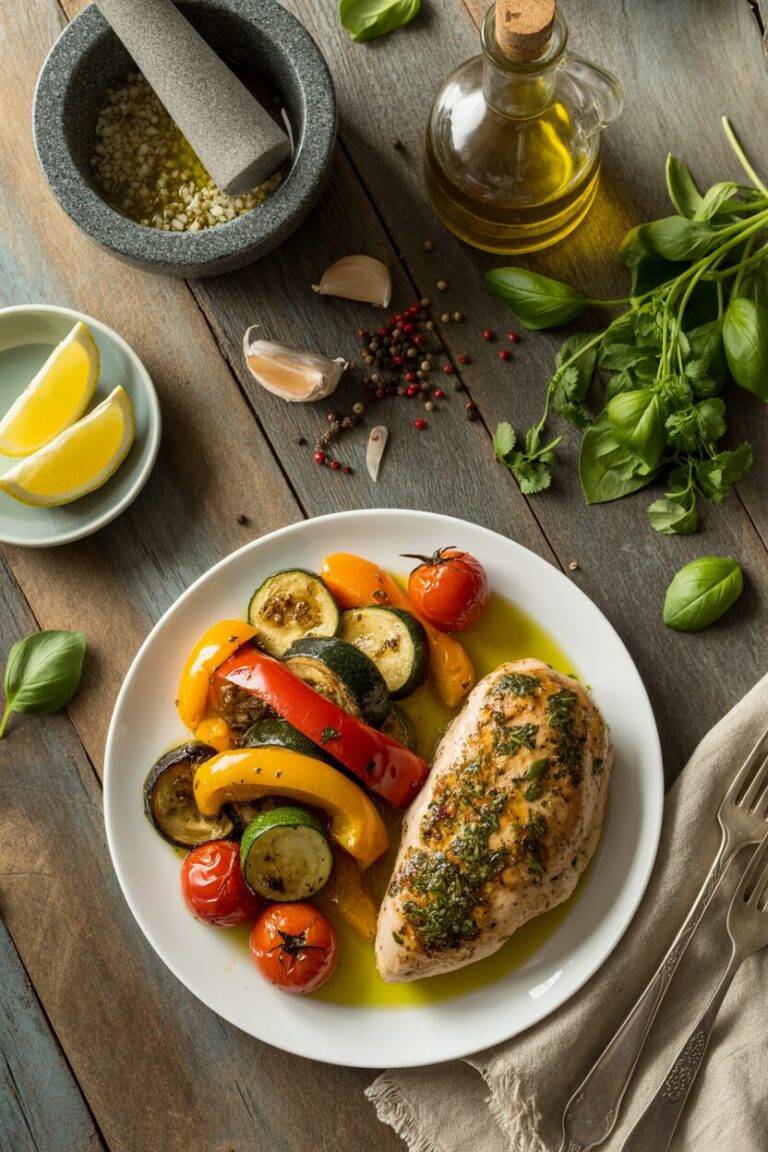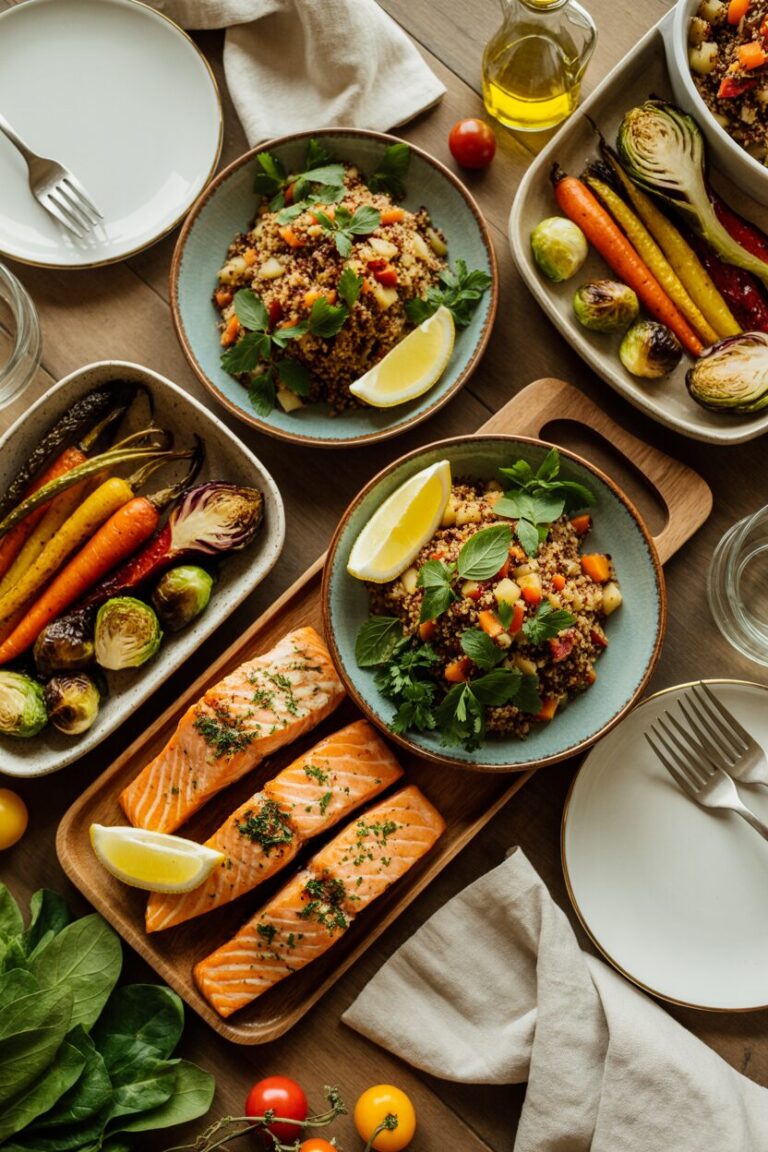
28 Heart-Healthy Dinners Under 400 Calories
Look, I get it. You want to eat better for your heart, but you’re not about to gnaw on steamed broccoli and call it dinner. The good news? You absolutely don’t have to. I’ve spent months testing dinners that clock in under 400 calories while actually tasting like real food—the kind you’d willingly eat on a Tuesday night when you’re tired and hangry.
Here’s the thing about heart-healthy eating: it’s gotten a bad rap. Most people think it means bland, boring, and perpetually hungry. But honestly, some of the most flavorful cuisines on the planet—Mediterranean, Asian, Latin American—are naturally loaded with ingredients that love your cardiovascular system right back. We’re talking garlic, olive oil, vibrant vegetables, lean proteins, and spices that make your taste buds do a happy dance.
This collection isn’t about deprivation. It’s about smart swaps, bold flavors, and meals that happen to be good for your ticker without announcing it with every bite. Whether you’re managing cholesterol, watching sodium, or just trying to feel less sluggish after dinner, these recipes have your back.
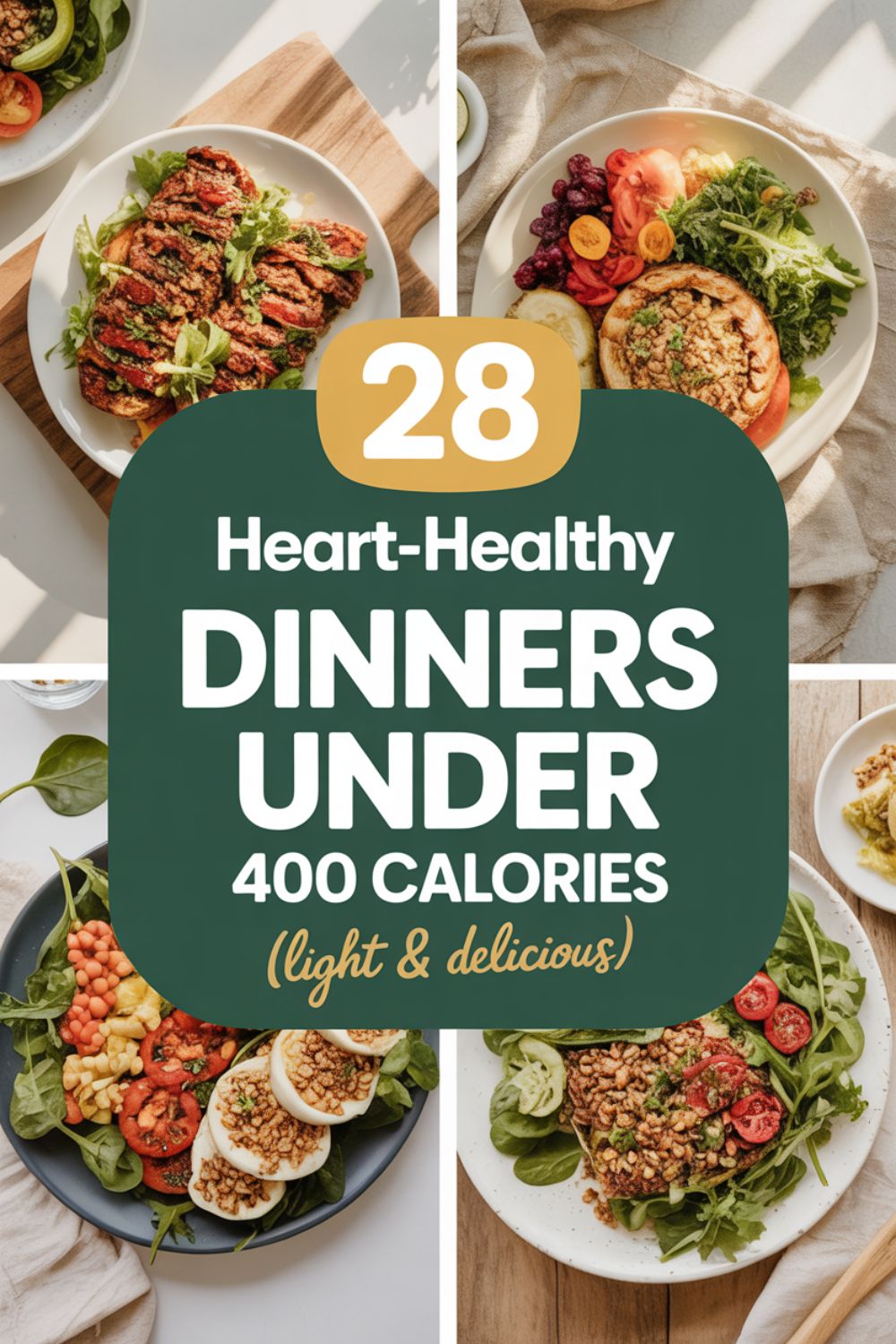
Why 400 Calories Actually Makes Sense
Before you roll your eyes at another calorie-counting article, hear me out. The 400-calorie benchmark isn’t arbitrary—it’s actually a sweet spot for most people’s dinner needs. If you’re following a standard 2,000-calorie daily intake, dedicating about 400-500 calories to dinner leaves room for breakfast, lunch, snacks, and maybe that glass of wine you’re not giving up.
But here’s where it gets interesting. When you focus on nutrient-dense ingredients—think vegetables, lean proteins, whole grains, and healthy fats—400 calories can feel surprisingly substantial. I’m talking platefulls of food, not sad little portions that leave you raiding the pantry an hour later.
The American Heart Association recommends limiting saturated fat, reducing sodium, and loading up on fiber. Translation? More plants, smarter protein choices, and seasoning that doesn’t come from a salt shaker. When you build meals around these principles, the calories naturally fall into a healthier range without you having to obsess over every gram.
The Building Blocks of Heart-Smart Dinners
Protein That Doesn’t Clog Your Arteries
Let’s talk protein first because that’s usually the star of dinner. Fatty fish like salmon, mackerel, and sardines are absolute champions here. They’re packed with omega-3 fatty acids that actually reduce inflammation and lower triglycerides. Wild-caught salmon gives you about 200 calories per 4-ounce serving with zero carbs and all the good fats.
But fish isn’t your only option. Skinless chicken breast, turkey, and even pork tenderloin can work beautifully when you ditch the breading and deep fryer. Plant-based proteins like lentils, chickpeas, and tofu are also phenomenal—they bring fiber to the party, which your heart absolutely loves.
One trick I’ve learned? A good instant-read thermometer prevents you from overcooking lean proteins. Nobody wants rubbery chicken, and perfectly cooked protein means you won’t be tempted to drown it in fatty sauces.
Vegetables: The Unsung Heroes
Here’s where you can really bulk up your meals without blowing your calorie budget. Non-starchy vegetables—think leafy greens, broccoli, cauliflower, bell peppers, zucchini—are basically freebies. A massive serving of roasted Brussels sprouts is maybe 60 calories. A heaping plate of sautéed spinach? Even less.
The secret is preparation. Steaming is fine, but roasting vegetables with a small amount of olive oil and good seasoning transforms them completely. I use a quality olive oil mister to get even coverage without overdoing it. Two seconds of spray versus glugging straight from the bottle makes a genuine difference in calories.
The American Heart Association suggests filling half your plate with fruits and veggies, which can significantly reduce cardiovascular disease risk. That’s not nothing.
Speaking of vegetable-forward meals, you might want to check out some options from this collection of heart-healthy recipes for busy weeknights. Some of them lean heavily into the veggie game while keeping things interesting.
🌟 Join Our Heart-Healthy Community
Want daily recipe inspiration, meal prep tips, and exclusive heart-healthy content delivered straight to your phone? Join our WhatsApp channel where I share quick wins, ingredient swaps, and real talk about making healthy eating actually work in your busy life. No spam, just good food and good vibes.
Click here to join our WhatsApp community and never miss a recipe!
Grains and Starches: Choose Wisely
Carbs aren’t the enemy, but refined carbs kind of are. White rice, white pasta, and white bread spike your blood sugar and offer basically zero fiber. Swap to brown rice, quinoa, farro, or whole wheat pasta, and you’re getting fiber that helps lower cholesterol and keeps you full longer.
Sweet potatoes deserve special mention here. They’re naturally sweet, loaded with potassium (which helps counter sodium’s blood pressure effects), and surprisingly low in calories for how filling they are. A medium sweet potato is about 100 calories and can easily be the base of a satisfying meal.
Portion control matters with grains, though. A half-cup of cooked quinoa or brown rice is typically the sweet spot for staying under 400 calories once you add protein and veggies. If you’re like me and eyeballing portions is a disaster waiting to happen, a simple kitchen scale takes the guesswork out.
🌾 The Ultimate Guide to Cooking Quinoa for Heart Health
Quinoa keeps showing up in heart-healthy recipes for a reason—it’s a complete protein, loaded with fiber, and naturally gluten-free. But are you cooking it right? Most people make critical mistakes that turn fluffy quinoa into mushy paste.
I put together a comprehensive guide covering everything from rinsing techniques to flavor variations, plus the exact kitchen tools that make quinoa prep effortless. You’ll also find my favorite quinoa-based meal prep recipes that keep your cholesterol in check.
Read: The Complete Quinoa Cooking Guide for Heart-Healthy Meals
28 Heart-Healthy Dinner Ideas That Don’t Suck
Seafood Superstars
1. Lemon Herb Baked Salmon with Asparagus
This is embarrassingly simple but tastes like you tried. Salmon fillet with lemon slices, fresh dill, and asparagus spears on a sheet pan. Everything roasts together in about 20 minutes. The fish stays moist, the asparagus gets slightly crispy, and you have one pan to wash. Around 350 calories depending on your salmon portion.
2. Shrimp and Zucchini Noodle Stir-Fry
Zucchini noodles are one of those things I was skeptical about until I stopped treating them like pasta. They’re their own thing—light, slightly crunchy, and perfect for soaking up sauce. Toss with shrimp, garlic, ginger, and a splash of low-sodium soy sauce. Pro tip: Don’t overcook the zoodles or they’ll get watery and sad.
3. Mediterranean Baked Cod
Cod is mild and inexpensive, which makes it perfect for bold Mediterranean flavors. Top with diced tomatoes, kalamata olives, capers, and a drizzle of olive oil. Bake until flaky. Serve with a side of roasted green beans. The whole meal comes in around 320 calories and feels legitimately fancy.
4. Grilled Tuna Steaks with Mango Salsa
Tuna steaks are meaty and satisfying in a way that white fish isn’t. Grill them to medium-rare (seriously, don’t overcook tuna or it turns into cardboard), then top with fresh mango salsa—mango, red onion, cilantro, lime juice, a tiny bit of jalapeño. Sweet, spicy, fresh, and about 380 calories.
For more seafood inspiration that keeps cholesterol in check, 21 heart-healthy dinners that lower cholesterol naturally has some solid options that work with various types of fish.
Chicken Done Right
5. Balsamic Glazed Chicken with Brussels Sprouts
Chicken thighs have more flavor than breasts but you’ll want to remove the skin to keep calories reasonable. Marinate in balsamic vinegar, garlic, and herbs, then roast with halved Brussels sprouts. The balsamic reduces into this glossy, tangy glaze that makes everything taste more expensive than it was.
6. Greek Chicken Bowls
This is my go-to when I can’t decide what I want. Grilled chicken breast over cauliflower rice (hear me out), with cucumber, tomatoes, red onion, a few kalamata olives, and a dollop of tzatziki made with Greek yogurt. Everything’s under 400 calories and it’s impossibly filling because of all that protein and fiber.
7. Chicken and Vegetable Kebabs
There’s something about food on a stick that makes it more fun. Marinate chicken chunks in lemon juice, olive oil, and herbs, then thread onto skewers with bell peppers, onions, and cherry tomatoes. Grill or broil. I use reusable metal skewers because I’m tired of wooden ones catching fire or snapping in half.
8. Thai Basil Chicken Lettuce Wraps
Ground chicken gets sautéed with lots of garlic, Thai basil, and a sauce made from lime juice, fish sauce, and a tiny bit of brown sugar. Spoon into butter lettuce leaves. Crunchy, fresh, and you can eat like six of them for under 400 calories. Way better than takeout and you control the sodium.
If you’re into bowl-style meals, you’ll probably like these heart-healthy lunch ideas. Most of them work perfectly as light dinners too, and several feature chicken in creative ways.
Plant-Based Winners
9. Lentil and Vegetable Curry
Lentils are criminally underrated. They’re cheap, packed with protein and fiber, and take on whatever flavors you throw at them. This curry uses red lentils, coconut milk (the light version), tomatoes, spinach, and curry spices. Serve over a small portion of brown rice. Comforting, filling, and maybe 380 calories.
10. Stuffed Bell Peppers with Quinoa and Black Beans
Cut bell peppers in half, fill with a mixture of cooked quinoa, black beans, corn, diced tomatoes, and cumin. Top with a tiny amount of cheese if you want, or skip it to keep it lower. Bake until the peppers are tender. Each stuffed half is about 200 calories, so you can have two.
🌟 My Go-To Quinoa Cooker That Changed Everything
Why I swear by this: I used to burn quinoa constantly on the stovetop—too much water, not enough water, always something. Then I got this programmable rice and quinoa cooker and it’s been perfect every single time.
The heart-healthy angle: It has a brown rice/whole grain setting that cooks quinoa to fluffy perfection. You can make a week’s worth in one go, which makes heart-healthy meal prep actually doable. No babysitting, no burnt pots, just consistently good quinoa.
Bonus: The keep-warm function means dinner can wait for you, not the other way around. Game-changer for busy weeknights.
Check Current Price & Reviews
11. Cauliflower Steak with Chimichurri
Thick slices of cauliflower, roasted until caramelized and tender, topped with vibrant chimichurri sauce (parsley, garlic, vinegar, a little olive oil). Sounds weird, tastes amazing. The cauliflower gets this nutty, almost steak-like quality when you roast it right. About 250 calories, so pair with a side salad or roasted sweet potato.
12. Chickpea and Spinach Sauté
This is stupid-simple but somehow always hits. Sauté garlic in olive oil, add chickpeas and spinach, season with smoked paprika and lemon juice. Serve over a bit of whole wheat couscous or just eat it straight. The chickpeas get slightly crispy on the outside, the spinach wilts perfectly, and it’s done in 15 minutes.
According to research published by the American Heart Association, people who eat more plant-centered diets with fewer adverse foods are significantly less likely to develop cardiovascular disease over time.
Lean Meats and Turkey
13. Turkey Chili with Tons of Vegetables
Ground turkey, kidney beans, tons of diced vegetables (onions, bell peppers, zucchini, carrots), canned tomatoes, and chili spices. Let it simmer. This makes a huge batch that freezes beautifully. One hearty bowl is about 350 calories and loaded with protein and fiber. Top with a dollop of Greek yogurt instead of sour cream.
14. Asian Turkey Lettuce Wraps
Similar concept to the chicken version but with ground turkey. Add water chestnuts for crunch, hoisin sauce for sweetness, and serve in crisp lettuce cups. I like using a good nonstick skillet for this because turkey can stick and burn easily without enough fat.
15. Herb-Crusted Pork Tenderloin with Green Beans
Pork tenderloin is surprisingly lean if you buy the right cut. Rub with Dijon mustard and coat with a mixture of whole wheat breadcrumbs and fresh herbs. Roast with green beans tossed in a bit of olive oil. Slice the pork thin and you’ll get a generous portion for around 380 calories.
16. Turkey Meatballs in Marinara
Make meatballs with ground turkey, whole wheat breadcrumbs, egg, and Italian seasonings. Bake them instead of frying. Simmer in a low-sugar marinara sauce. Serve over zucchini noodles or a small portion of whole wheat pasta. Each serving of meatballs is maybe 300 calories, leaving room for pasta if you want it.
Looking for more variety with lean proteins? Check out easy heart-healthy meals for beginners. Several feature turkey and pork prepared in ways that keep things interesting.
Soup and Stew Comfort
17. White Bean and Kale Soup
This is my cold-weather comfort food. White beans, kale, diced tomatoes, vegetable broth, garlic, and a Parmesan rind if you have one lying around (it adds so much depth). A big bowl is incredibly filling for about 280 calories. Make a pot on Sunday and you’ve got easy dinners all week.
18. Spicy Thai Coconut Soup with Vegetables
Tom Yum or Tom Kha-inspired but simplified. Light coconut milk, vegetable broth, mushrooms, bell peppers, Thai chilies, lime juice, and fish sauce. Add shrimp or tofu if you want protein. The whole bowl is maybe 250 calories and tastes like you ordered it from a Thai restaurant.
19. Minestrone Loaded with Vegetables
Classic Italian vegetable soup with white beans, tomatoes, zucchini, carrots, celery, and a small amount of whole wheat pasta. Keep the pasta minimal and it’s basically a vegetable delivery system. Each bowl clocks in around 200 calories, so you can have a generous portion with some crusty bread if you’re still hungry.
20. Moroccan Chickpea Stew
Chickpeas, diced tomatoes, sweet potato, raisins, and Moroccan spices like cumin, cinnamon, and turmeric. The combination sounds weird but works beautifully. Slightly sweet, warming, exotic. Serve over a tiny bit of couscous or just eat it as-is. About 320 calories per serving and meal-prep friendly.
For more warming options, take a look at 10 heart-healthy comfort foods that feel indulgent. Because sometimes you need dinner to hug you back, and these lighter soups and stews do exactly that.
💬 Get Weekly Meal Plans & Shopping Lists
Tired of staring at your fridge wondering what to make? Join our free WhatsApp channel and get weekly meal plans, organized shopping lists, and my honest takes on what actually works for heart-healthy eating. Plus, you’ll be first to know about new recipes and cooking hacks that save time and calories.
Tap here to join the WhatsApp community – it’s free and you can leave anytime!
Quick Sheet Pan Miracles
21. Sheet Pan Fajitas
Sliced chicken or shrimp, bell peppers, and onions tossed with fajita seasoning and a drizzle of olive oil. Roast everything together. Serve with small corn tortillas, fresh salsa, and a squeeze of lime. Two fajitas with all the fixings are around 380 calories and way easier than making them on the stovetop.
22. Balsamic Chicken and Vegetables
Chicken breasts, cherry tomatoes, green beans, and red onion. Drizzle with balsamic vinegar and olive oil, season generously. Roast until the chicken is cooked through and the vegetables are caramelized. Everything happens on one pan and you can prep it in the morning, refrigerate, and just pop it in the oven when you get home.
23. Salmon and Broccoli with Lemon Dill
Another sheet pan wonder. Salmon fillets and broccoli florets with lemon slices and fresh dill. The broccoli gets crispy edges, the salmon stays moist, and cleanup is nonexistent. I line the pan with parchment paper because I’ve scrubbed enough baking sheets in my lifetime.
24. Mediterranean Vegetable and Chickpea Bake
Chickpeas, zucchini, eggplant, cherry tomatoes, red onion, and bell peppers tossed with olive oil, oregano, and garlic. Roast until everything’s tender and slightly charred. Crumble a tiny bit of feta on top at the end. Vegetarian, filling, and comes in under 350 calories per generous serving.
Stir-Fry Speed Demons
25. Beef and Broccoli (Lightened Up)
Use lean sirloin or flank steak, slice it thin, and stir-fry with tons of broccoli. The sauce is low-sodium soy sauce, garlic, ginger, and a tiny bit of cornstarch to thicken. Skip the oil-heavy restaurant version and you’ll save hundreds of calories. Serve over cauliflower rice or a small portion of brown rice. About 360 calories.
26. Ginger Garlic Shrimp with Snow Peas
Shrimp cook in minutes, which makes them perfect for weeknight stir-fries. Lots of fresh ginger and garlic, snow peas for crunch, and a simple sauce of lime juice and low-sodium soy sauce. Done in literally 10 minutes. Under 300 calories, so add rice if you’re hungry.
27. Tofu and Vegetable Stir-Fry
Press your tofu so it’s not watery (this matters more than you’d think). Cut into cubes and stir-fry until crispy. Add whatever vegetables you have—bell peppers, snap peas, carrots, mushrooms. Sauce it up with garlic, ginger, and a splash of sesame oil. The tofu gives you protein, the veggies give you volume, and the whole thing is about 320 calories.
💚 The Organic Quinoa I Buy in Bulk (And Actually Use)
Real talk: I went through a phase of buying fancy quinoa from specialty stores until I discovered this organic tri-color quinoa in bulk. Same quality, fraction of the price, and the variety pack (white, red, black) keeps meals interesting.
Heart-healthy benefits: Quinoa is naturally cholesterol-free and packed with fiber (5g per serving) that helps lower LDL cholesterol. The different colors have slightly different nutrient profiles, so mixing them up gives you more antioxidants and minerals like magnesium—crucial for heart health.
Practical bonus: The resealable bag keeps it fresh for months. I cook a big batch on Sunday and use it all week in everything from breakfast bowls to these dinner recipes. At roughly 220 calories per cup (cooked), it’s the perfect base for staying under 400 calories per meal.
See Price & Bulk Options
28. Chicken Fried Rice with Extra Vegetables
Use day-old brown rice (fresh rice gets mushy), diced chicken breast, and load it up with peas, carrots, and scrambled egg. Season with low-sodium soy sauce and a touch of sesame oil. A normal takeout portion is like 800 calories. This version? About 380 calories and you won’t feel gross after eating it.
If you’re trying to reduce sodium specifically, these low-sodium dinners prove you don’t need a salt avalanche to make food taste good. Several use similar stir-fry techniques with creative seasoning alternatives.
Making It Work in Real Life
Meal Prep Without Losing Your Mind
Here’s the reality: you’re not going to cook every single night. I don’t, and I write about food for a living. But spending an hour on Sunday can set you up for success. Cook a big batch of quinoa or brown rice. Roast a sheet pan of vegetables. Grill or bake several chicken breasts or salmon fillets. Portion everything into containers.
Then during the week, you’re just assembling meals rather than actually cooking from scratch. Monday might be chicken with roasted vegetables and quinoa. Tuesday could be that same chicken shredded into lettuce wraps with fresh vegetables. Wednesday, flake the salmon over a salad. You get the idea.
I store everything in glass meal prep containers because plastic ones get gross and stained quickly. Plus you can reheat directly in them if they’re oven-safe, which is clutch for roasted vegetables that lose their texture in the microwave.
Seasoning Is Everything
Low-calorie doesn’t mean low-flavor, but you have to be strategic. Fresh herbs, citrus juice, vinegars, spices, and aromatics like garlic and ginger add massive flavor for virtually zero calories. I keep a well-stocked spice cabinet because it’s the difference between boring chicken and chicken that actually tastes like something.
Salt-free seasoning blends are surprisingly good these days. Mrs. Dash isn’t just for grandmas anymore—their various blends can seriously upgrade your cooking without the sodium hit. Studies show that cutting back on sodium improves blood pressure even in people who don’t yet have hypertension, and the more you reduce it, the greater the benefit.
Don’t sleep on acid either. A squeeze of lemon or lime juice at the end of cooking brightens everything and makes food taste more complex. A good citrus juicer is worth it if you cook frequently—those little handheld ones work but trying to juice a lime with one is a workout nobody asked for.
The Mayo Clinic highlights that reducing sodium intake through diet modifications can significantly lower blood pressure, which directly reduces cardiovascular disease risk.
The Tools That Actually Help
You don’t need a kitchen full of gadgets, but a few key tools make heart-healthy cooking way less annoying. A reliable food scale helps with portions. Quality nonstick pans mean you can use less oil. A vegetable spiralizer opens up possibilities for veggie-based noodles. And honestly, a good chef’s knife makes vegetable prep so much faster that you’re more likely to actually do it.
Air fryers have become a thing for a reason—they’re basically small convection ovens that make food crispy without deep frying. If you’re someone who misses fried chicken or french fries, an air fryer can scratch that itch while keeping calories reasonable.
🍳 Best Kitchen Tools for Heart-Healthy Cooking (2025 Guide)
Cooking for your heart doesn’t require a complete kitchen overhaul, but having the right tools makes it SO much easier. After testing dozens of products, I’ve identified the game-changers that actually matter—from the perfect quinoa cooker to oil misters that save hundreds of calories.
This guide breaks down exactly which tools are worth your money (and which are total gimmicks). Plus, I include budget-friendly alternatives and links to the exact products I use in my own kitchen daily. If you’re serious about heart-healthy eating, these tools pay for themselves in convenience and results.
Check Out: 15 Essential Kitchen Tools for Heart-Healthy Cooking
Related Recipes You’ll Love
The Bottom Line
Heart-healthy eating doesn’t have to feel like punishment. When you build meals around vegetables, lean proteins, whole grains, and healthy fats—and keep portions reasonable—400 calories becomes a satisfying dinner that actually supports your cardiovascular system instead of working against it.
The key is making these dinners easy enough that you’ll actually cook them. That means simple techniques, ingredients you can find at any grocery store, and flavors bold enough that you’re not white-knuckling it through some virtuous but miserable meal. Your heart will thank you, but so will your taste buds.
Start with a few recipes that sound genuinely appealing. Cook them a couple times until they feel natural. Then branch out. Before you know it, eating for your heart becomes less of a chore and more of a lifestyle that happens to keep your cholesterol in check and your energy stable.
And look, if you occasionally want pizza or a burger? Have it. One meal isn’t going to derail everything. It’s the pattern that matters—the meals you eat most days of the week. These 28 dinners give you enough variety that heart-healthy eating doesn’t have to be boring, repetitive, or something you’re counting down the days until you can “cheat” on. This is just good food that happens to be good for you too.