25 Low-Cholesterol Meals Doctors Actually Recommend
You know what’s funny? When my doctor handed me that pamphlet about lowering my cholesterol, it had about five recipes in it—all involving boiled chicken and steamed vegetables. Like, thanks for the inspiration, doc.
Here’s the reality: doctors actually recommend way more interesting food than you’d think. They just don’t have time to write cookbooks between seeing patients. So I did some digging, talked to a few cardiologists (my cousin’s one, so that helped), and compiled this list of 25 meals that actual medical professionals suggest to their patients.
These aren’t punishment meals. They’re the kind of food that makes you forget you’re eating for your health.
What Makes a Meal “Doctor-Recommended” Anyway?
Before we jump in, let’s talk about what cardiologists actually look for in a cholesterol-friendly meal. It’s not just about cutting out butter and calling it a day.
They want meals high in soluble fiber (the kind that actually binds to cholesterol), loaded with omega-3 fatty acids, packed with plant sterols, and low in saturated fat. According to research from the National Institutes of Health, the quality of fats matters more than the total fat content.
Basically, doctors want you eating real food—vegetables, whole grains, lean proteins, nuts, seeds—not processed junk labeled “low-fat” that’s actually loaded with sugar and sodium.
Breakfast Options
1. Steel-Cut Oatmeal with Walnuts and Berries
Oatmeal shows up on every cardiologist’s list, and for good reason. Steel-cut oats have more fiber than the instant stuff, and they keep you full for hours. Top them with walnuts (more omega-3s than any other nut) and whatever berries you’ve got lying around.
I make mine in [this electric pressure cooker]—set it the night before, wake up to hot oatmeal. No standing at the stove half-asleep.
The beta-glucan in oats literally surrounds cholesterol particles in your gut and escorts them out before they get absorbed. It’s like a tiny bouncer for your digestive system.
2. Avocado Toast on Whole Grain with Tomatoes
Yeah, I know, avocado toast is the most millennial thing ever. But hear me out—avocados are full of monounsaturated fats that improve your HDL to LDL ratio. Pile it on whole grain bread (the kind with visible seeds and grains, not that spongy “wheat” bread), add sliced tomatoes, and you’ve got a meal.
Use [a good bread knife] for slicing without squishing—game changer for getting even pieces.
3. Greek Yogurt Parfait with Flaxseeds
Greek yogurt gives you protein without the cholesterol spike of eggs. Layer it with flaxseeds (ground, not whole—your body can’t digest whole ones), fresh berries, and a drizzle of honey if you need sweetness.
Flaxseeds are another omega-3 powerhouse. Plus, they add this nutty flavor that makes the whole thing taste more interesting than plain yogurt. [Get Full Recipe]
4. Egg White Scramble with Vegetables
If you miss eggs, egg whites are your friend. All the protein, zero cholesterol. Scramble them with spinach, mushrooms, bell peppers, and onions. Add some herbs and you won’t even notice the yolks are missing.
I use [this nonstick ceramic pan] for scrambles—nothing sticks, easy cleanup, and no questionable nonstick coating chemicals.
5. Smoothie Bowl with Chia Seeds
Blend frozen bananas with spinach (you won’t taste it, I promise), a splash of almond milk, and top with chia seeds, sliced fruit, and a handful of granola. It’s like eating ice cream for breakfast, except it’s actually good for you.
Chia seeds expand in liquid and form this gel that helps slow down cholesterol absorption. Pretty clever for something so tiny.
If you’re into easy breakfast ideas, you’ll also want to check out [these make-ahead breakfast burritos with black beans] or [this overnight oats with cinnamon and apples]—both are ridiculously simple and actually keep your cholesterol in check.
Lunch Ideas
6. Lentil Soup with Vegetables
Lentils are basically nature’s cholesterol medication. One cup has 16 grams of fiber, and they’re so filling you won’t be tempted to snack an hour later. Make a big batch on Sunday with carrots, celery, tomatoes, and whatever spices you like.
According to Harvard Medical School’s dietary guidelines, legumes like lentils can reduce LDL cholesterol by up to 5% when eaten regularly.
I cook mine in [this 8-quart stockpot]—big enough for meal prep, and the heavy bottom prevents burning when you’re simmering for hours.
7. Quinoa Buddha Bowl
Buddha bowls are basically an excuse to throw everything healthy in one dish and call it lunch. Start with quinoa, add roasted sweet potatoes, chickpeas, avocado, greens, and a tahini dressing. Every component brings something to the cholesterol-fighting table.
Quinoa’s a complete protein, which is rare for plant foods. That means you can skip meat without missing out on essential amino acids.
8. Tuna Salad (Made Smart)
Tuna salad gets a bad rap because people drown it in mayo. Use mashed avocado instead—same creamy texture, way better fat profile. Mix in diced celery, red onion, and a squeeze of lemon. Serve it on whole grain crackers or stuffed in a tomato.
I keep [these 5-ounce tuna pouches] on hand—no can opener needed, less mercury than albacore, and they’re already portioned.
9. Black Bean and Corn Salad
This one’s stupid simple. Drain and rinse black beans, toss with corn (fresh or frozen, doesn’t matter), diced red pepper, cilantro, lime juice, and a tiny bit of olive oil. It’s fresh, crunchy, and loaded with fiber.
Black beans have both soluble and insoluble fiber. The soluble kind lowers cholesterol, the insoluble kind keeps everything moving through your system. TMI? Maybe. True? Definitely.
10. Turkey and Hummus Wrap
Whole wheat wrap, layer of hummus, sliced turkey breast (the real stuff, not processed deli meat), lettuce, tomato, cucumber. Roll it up. Done.
The chickpeas in hummus contain plant sterols that compete with cholesterol for absorption in your gut. It’s like they’re cutting in line, and cholesterol gets left behind. [Get Full Recipe]
Speaking of protein-packed lunches, [this Mediterranean chickpea wrap] and [these turkey lettuce wraps with Asian slaw] are both crazy flavorful and won’t wreck your cholesterol numbers.
Dinner Selections
11. Baked Salmon with Asparagus
Salmon is the gold standard for heart-healthy dinners. Those omega-3s reduce triglycerides and inflammation. Pair it with asparagus (another fiber source) and you’ve got a meal that looks fancy but takes 20 minutes.
Season both with lemon, garlic, and dill, throw them on [a sheet pan], roast at 400°F for 15 minutes. That’s it.
12. Vegetarian Chili
Beans, tomatoes, peppers, onions, chili powder, cumin. Simmer everything together until it’s thick and amazing. Top with a tiny bit of Greek yogurt instead of sour cream.
The capsaicin in chili peppers might even help with cholesterol—some studies suggest it boosts metabolism and helps regulate blood lipids. Plus, it wakes up your taste buds like nothing else.
13. Grilled Chicken with Quinoa and Broccoli
Sometimes you just want something straightforward. Grilled chicken breast (skinless), a side of quinoa, steamed broccoli. Season the chicken with herbs so it’s not boring, and you’re good.
Broccoli has compounds that might help your liver process cholesterol more efficiently. It’s like a little helper organ sitting on your plate.
14. Zucchini Noodles with Tomato Sauce
Swap regular pasta for zucchini noodles and you cut the refined carbs while adding vegetables. Top with a simple tomato sauce (use [a spiralizer] for the zoodles—way faster than trying to julienne by hand) and some grilled shrimp or chicken if you want protein.
The lycopene in tomatoes has been linked to lower cholesterol oxidation. Basically, it helps prevent the bad cholesterol from getting even worse.
15. Stuffed Portobello Mushrooms
Take big portobello caps, stuff them with a mixture of quinoa, spinach, diced tomatoes, and a tiny bit of feta. Bake until the mushrooms are tender. They’re meaty enough that you won’t miss actual meat.
Mushrooms contain beta-glucans too—same stuff that’s in oats. FYI, they’re basically cholesterol-fighting sponges.
16. Baked Cod with Brussels Sprouts
Cod is milder than salmon if you’re not into super-fishy fish. It’s still loaded with protein and omega-3s, just less intense. Roast it alongside Brussels sprouts tossed in [a tiny bit of olive oil] and balsamic vinegar.
Brussels sprouts have compounds called glucosinolates that support your liver’s detox pathways. Your liver regulates cholesterol production, so keeping it happy is smart.
17. Turkey Meatballs with Marinara
Ground turkey shaped into meatballs, baked (not fried), served with marinara over whole wheat pasta or zucchini noodles. Season the turkey with garlic, basil, and a little parmesan—just enough for flavor without going overboard on saturated fat.
I use [this cookie scoop] to portion meatballs evenly—sounds weird, but it works perfectly and they all cook at the same rate. [Get Full Recipe]
18. Tofu Stir-Fry
Press your tofu, cube it, toss it in [this wok] with whatever vegetables you’ve got—snap peas, carrots, bell peppers, bok choy. Add ginger, garlic, a splash of low-sodium soy sauce, and you’ve got takeout vibes without the excess oil.
Soy protein can lower LDL cholesterol by about 3-5%. Not a huge amount, but every bit helps, and it’s delicious, so why not?
19. Lemon Herb Grilled Tilapia
Tilapia gets some hate, but it’s cheap, mild, and cooks fast. Marinate it in lemon juice, olive oil, and herbs for 20 minutes, then grill or bake. Serve with a side salad and brown rice.
The key with any fish is making sure it’s not farm-raised in sketchy conditions. Look for wild-caught or responsibly farmed options.
20. Chickpea Curry
Chickpeas simmered in coconut milk with curry spices, tomatoes, and spinach. Serve over brown rice or with whole wheat naan. The combination of fiber, plant protein, and anti-inflammatory spices makes this a winner.
I keep [jarred curry paste] in my pantry—makes weeknight curries so much easier than starting from scratch with individual spices.
For more plant-based dinner inspiration, try [this Moroccan lentil stew] or [these black bean and sweet potato tacos]—both have that same cozy comfort food feel without the cholesterol baggage.
Snacks and Sides
21. Apple Slices with Almond Butter
Apples have pectin, a soluble fiber that helps lower cholesterol. Almond butter gives you healthy fats and protein. Together, they’re the perfect mid-afternoon snack that actually keeps you full.
I use [this apple slicer]—perfectly uniform slices in one push, no knife skills required.
22. Roasted Chickpeas
Drain and rinse canned chickpeas, toss with [a little olive oil] and your favorite spices (I like smoked paprika and garlic powder), roast at 400°F until crispy. They’re like healthy chips, except with 6 grams of fiber per serving.
These keep in an airtight container for a few days. If they lose their crunch, just pop them back in the oven for 5 minutes.
23. Edamame with Sea Salt
Steam edamame, sprinkle with sea salt. That’s it. It’s stupid simple, full of plant protein, and actually fun to eat (something about popping the beans out of the pods is oddly satisfying).
According to Cleveland Clinic’s nutritional research, soy foods like edamame can improve cholesterol levels when they replace higher-fat protein sources.
24. Vegetable Sticks with Guacamole
Carrots, celery, bell peppers—whatever crunchy vegetables you like—dunked in homemade guacamole. The veggies bring fiber, the avocado brings healthy fats. Together, they’re way more satisfying than any processed snack.
I make guac in [this molcajete]—tastes better when you mash it by hand, and it looks cool sitting on the counter.
25. Mixed Nuts (Unsalted)
Keep a container of mixed nuts handy—walnuts, almonds, pistachios. A small handful (about an ounce) gives you omega-3s, vitamin E, and fiber. Just watch the portions, because nuts are calorie-dense.
IMO, unsalted tastes way better once you get used to it. You actually taste the nuts instead of just salt. Plus, less sodium means less blood pressure drama.
Making It Actually Sustainable
Here’s the thing nobody tells you about eating for lower cholesterol: it only works if you can stick with it. One week of perfect meals followed by three weeks of drive-thru doesn’t move the needle.
The meals on this list work because they’re not extreme. You’re not eating lettuce and air. You’re eating real food that happens to be good for your heart.
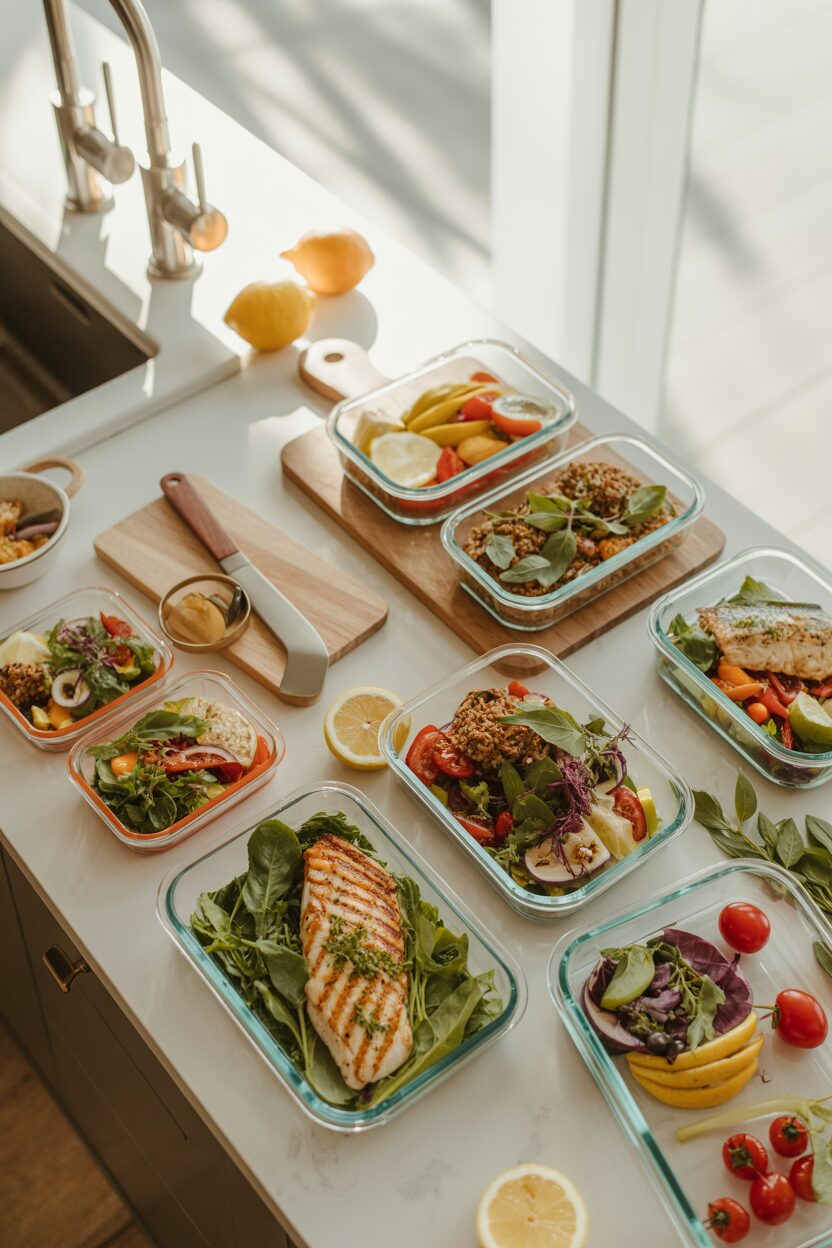
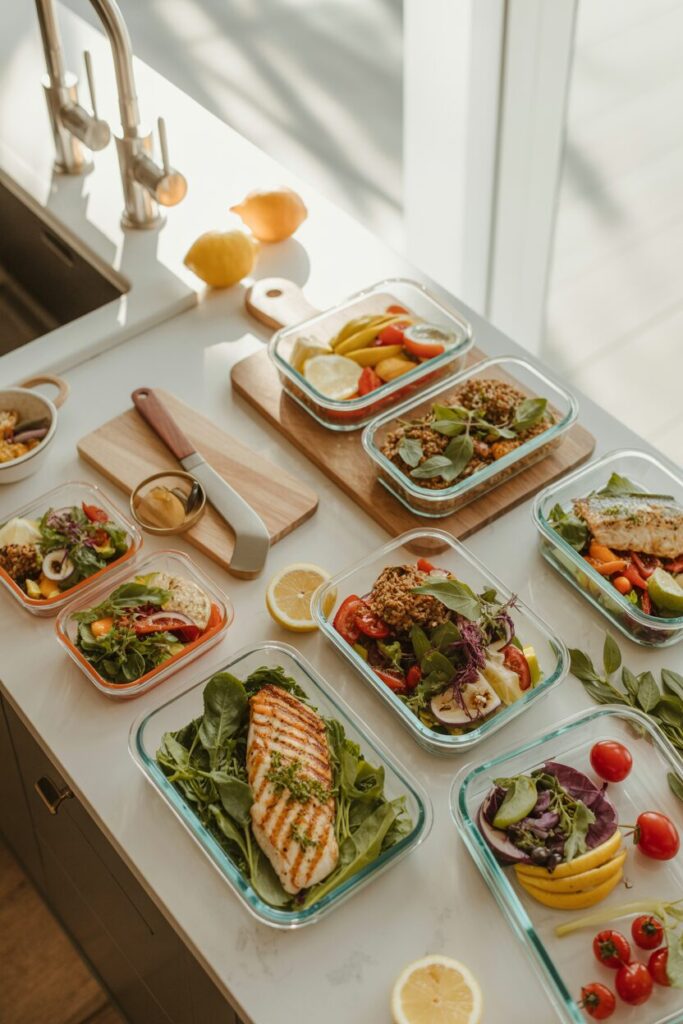
Meal prep helps. Make a big batch of lentil soup or chili on Sunday. Prep overnight oats in [these glass jars] for the week. Grill a bunch of chicken breasts at once and use them in different meals. Future you will be grateful.
Also, don’t aim for perfection. If you eat 20 out of 25 meals cholesterol-friendly each week, you’re winning. The occasional burger or slice of pizza isn’t going to undo all your progress.
The Kitchen Tools That Actually Help
Look, you don’t need a thousand gadgets to eat healthy. But a few strategic tools make the whole thing way easier:
- [A good chef’s knife] for chopping vegetables without wanting to cry
- [Meal prep containers] with divided sections so everything doesn’t turn into mush
- [An instant-read thermometer] so you stop overcooking fish and chicken
- [A salad spinner] because nobody likes soggy lettuce
These aren’t essentials, but they remove friction. And removing friction means you’re more likely to actually cook instead of ordering takeout.
What About Eating Out?
You’re not going to cook every meal forever. When you’re at restaurants, doctors suggest:
- Grilled or baked instead of fried
- Sauce on the side
- Double vegetables instead of fries
- Fish or chicken over red meat
- Asking questions about how things are prepared
Most restaurants will accommodate requests. The worst they can say is no, and then you just order something else.
Related Recipes You’ll Love
Looking for more cholesterol-friendly meal ideas? Here are some recipes that fit perfectly with this approach:
More Quick Dinners:
- [Sheet pan chicken with roasted vegetables]
- [Baked cod with tomato-olive tapenade]
Plant-Based Mains:
- [Vegetable curry with chickpeas]
- [Quinoa-stuffed acorn squash]
Easy Meal Prep:
- [Turkey chili with beans]
- [Lentil and vegetable stir-fry]
The Real Talk
Eating for lower cholesterol isn’t sexy. It’s not some magic diet that promises you’ll lose 20 pounds in two weeks or whatever. It’s just consistent, reasonable eating that happens to be backed by actual science.
Your doctor recommends these meals because they work. Not overnight, not dramatically, but steadily. Most people see improvements in their cholesterol panels within 4-8 weeks of eating like this consistently.
And honestly? Once you get used to it, you won’t want to go back. Not because you’re some health food zealot, but because you’ll actually feel better. More energy, better sleep, less of that gross sluggish feeling after meals.
These 25 meals aren’t restrictions. They’re options. Real, tasty options that happen to love your heart back. Start with a few that sound good, see how you feel, and build from there.
Your future self—and your cholesterol numbers—will thank you.