25 Heart-Healthy Recipes Using Simple Ingredients
Look, I get it. You want to eat better for your heart, but you’re not about to spend three hours hunting down dragon fruit extract or whatever trendy superfood is making the rounds this week. You just want simple, tasty meals that won’t clog your arteries while you’re trying to enjoy dinner.
Here’s the thing about heart-healthy cooking—it doesn’t require a culinary degree or a pantry that looks like a specialty grocery store exploded in it. Most of the best ingredients for your cardiovascular system are probably already sitting in your kitchen right now. Oats? Check. Beans? Yep. Olive oil? You betcha.
I’ve spent years testing recipes that actually work for real people with real lives, and I’m sharing 25 of my favorites that use ingredients you can grab at any regular grocery store. No weird substitutions, no ingredients you’ll use once and never touch again. Just honest, straightforward food that happens to be really good for your heart.

Why Simple Ingredients Win Every Time
I used to think healthy cooking meant buying everything organic, grass-fed, and wrapped in fancy packaging. Then I learned something interesting from my cardiologist friend—your heart doesn’t care about marketing buzzwords. It cares about fiber, healthy fats, lean proteins, and whole foods.
The American Heart Association keeps hammering home the same basic advice: eat more plants, choose whole grains, limit saturated fat, and watch your sodium. Sounds boring, right? But when you actually cook with these principles, using ingredients like garlic, tomatoes, spinach, and beans, the food tastes incredible.
Simple ingredients also mean you’re more likely to actually cook. Nobody’s making a recipe that requires 47 steps and ingredients they can’t pronounce. When you keep your pantry stocked with basics, you’ll cook more often, and that’s when the magic happens for your heart health.
Pro Tip: Keep canned beans, frozen vegetables, and whole grain pasta in your pantry. You’re basically 15 minutes away from a heart-healthy meal anytime.
The Building Blocks of Heart-Healthy Cooking
Whole Grains That Actually Taste Good
Whole grains get a bad rap because people remember the cardboard-flavored brown rice their parents tried to force-feed them in the ’90s. But here’s the truth: quinoa, farro, bulgur, and even good old-fashioned oats can be absolutely delicious when you treat them right.
These grains pack soluble fiber, which basically acts like a sponge for cholesterol in your digestive system. According to research from the American Heart Association, getting 25-30 grams of fiber daily can significantly reduce your risk of heart disease. Most Americans barely hit 15 grams.
I use oats in everything from breakfast bowls to meatless “meatballs.” They’re cheap, they store forever, and they don’t taste like punishment. When I make overnight oats with cinnamon and fresh berries, I actually look forward to breakfast. Get Full Recipe.
Healthy Fats That Won’t Wreck Your Arteries
Fat isn’t the enemy—bad fat is the enemy. Your heart loves monounsaturated and polyunsaturated fats from sources like olive oil, avocados, nuts, and fatty fish. These fats actually help reduce inflammation and improve cholesterol levels.
I keep a good bottle of extra virgin olive oil on my counter at all times. Not the cheap stuff you use for frying—I’m talking about the kind that actually tastes like olives and has that peppery kick. I drizzle it on everything: salads, roasted vegetables, whole grain toast. Some of my favorite dishes feature Mediterranean-style cooking that makes olive oil the star of the show.
Kitchen Essential: Premium Extra Virgin Olive Oil
After testing dozens of olive oils, I keep coming back to this one. It’s cold-pressed, has that perfect peppery finish, and comes in a dark bottle to preserve freshness.
For cooking at higher heat, I use avocado oil because it has a high smoke point and doesn’t go rancid as quickly. Worth every penny, IMO.
Lean Proteins Without the Bore Factor
Protein keeps you full and helps maintain muscle mass, but you don’t need massive steaks to get enough. Chicken breast, turkey, fish, legumes, and even eggs give you plenty of protein without the saturated fat overload.
Salmon is my go-to because it’s packed with omega-3 fatty acids, which are like premium fuel for your heart. I buy it frozen (way cheaper) and keep several fillets in the freezer. Toss one in the fridge the night before, season it with whatever herbs you’ve got lying around, and boom—dinner in 15 minutes.
Beans deserve their own paragraph because they’re criminally underrated. Black beans, chickpeas, lentils, kidney beans—they’re all loaded with fiber and protein while being basically fat-free. Plus, they’re stupid cheap. I make a killer chickpea curry that costs about two bucks per serving.
For more protein-packed options throughout the day, check out these heart-healthy lunch ideas or grab one of these daily snacks that’ll keep you satisfied between meals.
25 Heart-Healthy Recipes You’ll Actually Make
1. Classic Overnight Oats with Berries and Walnuts
This is my default breakfast when I’m too lazy to think. Mix rolled oats, unsweetened almond milk, chia seeds, and a handful of blueberries in a jar the night before. In the morning, top with walnuts and a drizzle of honey.
The oats give you soluble fiber, berries provide antioxidants, and walnuts add those heart-healthy omega-3s. Research published in the Circulation journal shows that eating walnuts regularly can improve blood vessel function and reduce inflammation.
I prep five jars on Sunday and grab one each morning. Saves me from hitting the drive-thru on my way to work. You can store them in these glass meal prep containers that don’t get weird in the fridge.
2. Simple Mediterranean Chickpea Salad
Drain a can of chickpeas, toss them with diced cucumber, cherry tomatoes, red onion, and Kalamata olives. Dress with olive oil, lemon juice, dried oregano, salt, and pepper. Done.
This takes maybe 10 minutes and keeps in the fridge for three days. I eat it straight, stuff it in whole wheat pita, or serve it over baby spinach. The chickpeas give you plant-based protein and fiber, while the olive oil brings those monounsaturated fats your arteries love.
Quick Win: Make a double batch of this salad on meal prep day. It gets better as it sits and marries the flavors together.
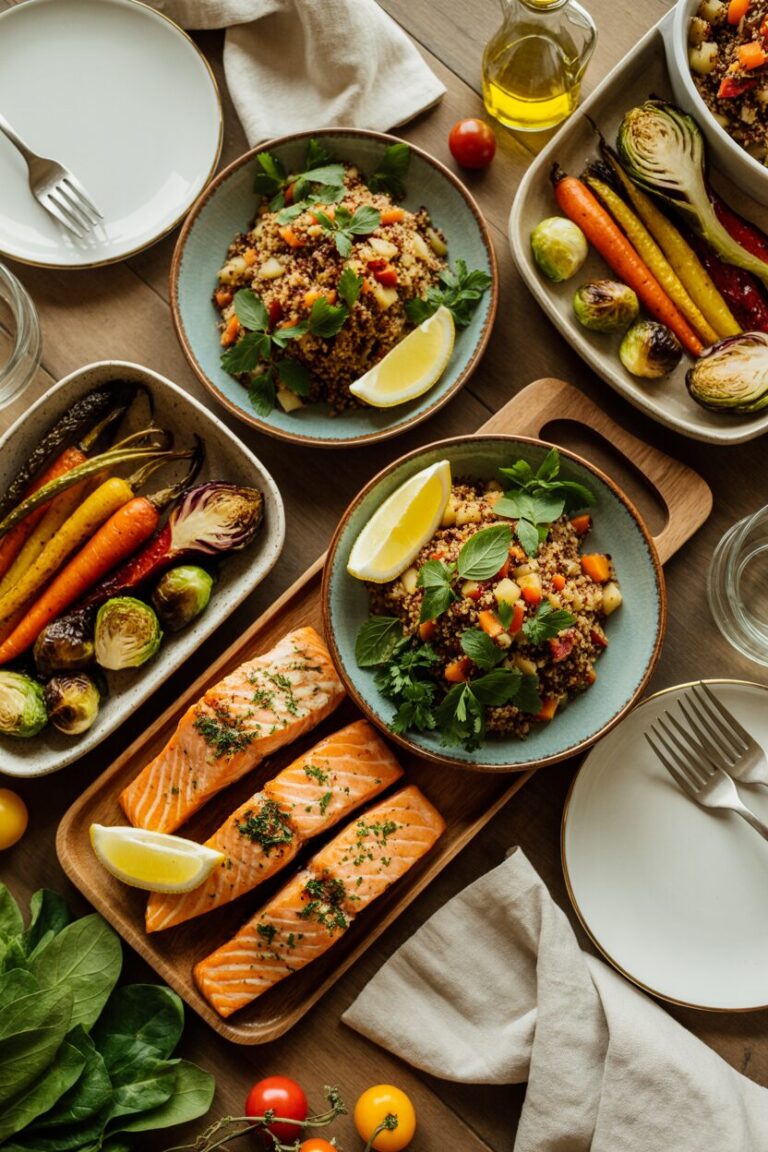
3. One-Pan Baked Salmon with Vegetables
Place a salmon fillet on a baking sheet. Surround it with broccoli florets, sliced bell peppers, and cherry tomatoes. Drizzle everything with olive oil, season with garlic powder, paprika, salt, and pepper. Bake at 400°F for 18-20 minutes. Get Full Recipe.
The beauty of this dish is the cleanup—one pan, zero fuss. Salmon provides those crucial omega-3 fatty acids EPA and DHA, which have been shown to reduce triglycerides and lower blood pressure. Plus, you’re getting a ton of vegetables without even trying.
I use parchment paper under everything because I’m lazy about scrubbing pans. Just toss the paper when you’re done.
Game-Changer: Pre-Cut Parchment Paper Sheets
These pre-cut sheets fit standard baking pans perfectly and have saved me countless hours of cleanup. No more wrestling with parchment rolls or dealing with curling edges.
4. Hearty Lentil Soup
Sauté diced onion, carrots, and celery in a little olive oil. Add red lentils, vegetable broth, canned diced tomatoes, cumin, and turmeric. Simmer for 25 minutes until the lentils are tender. Hit it with some lemon juice before serving.
Lentils cook faster than beans and don’t need soaking, which makes them perfect for weeknight cooking. They’re loaded with fiber and protein while being completely fat-free. This soup freezes beautifully, so I usually make a huge batch. If you’re into soups, you’ll love these 12 heart-healthy options for colder weather.
5. Quinoa Breakfast Bowl
Cook quinoa in unsweetened almond milk instead of water. Top with sliced banana, a handful of almonds, cinnamon, and a tiny drizzle of maple syrup. Seriously, it’s like eating dessert for breakfast, but it won’t spike your blood sugar like a donut would.
Quinoa is one of the few plant foods that’s a complete protein, meaning it has all nine essential amino acids. Plus, it’s naturally gluten-free if that matters to you.
6. Black Bean and Sweet Potato Tacos
Roast cubed sweet potatoes with chili powder and cumin until crispy. Warm up some black beans. Load everything into corn tortillas with avocado, salsa, and cilantro. These are so good that even my meat-obsessed brother requests them.
Sweet potatoes give you beta-carotene and fiber, while black beans pack protein and more fiber. The combination keeps you full for hours without weighing you down. I meal prep the sweet potatoes in advance using this sheet pan that never sticks.
7. Greek Yogurt Parfait with Homemade Granola
Layer plain Greek yogurt, fresh berries, and granola. For the granola, mix oats with a tiny bit of honey, cinnamon, and chopped almonds, then bake until golden. Way better than the sugar-bomb versions at the store.
Greek yogurt gives you protein and probiotics, which emerging research suggests might play a role in heart health. The homemade granola means you control the sugar content—store-bought versions often have as much sugar as candy.
8. Spinach and White Bean Soup
Sauté garlic in olive oil, add cannellini beans, vegetable broth, and a huge pile of fresh spinach. Season with rosemary, salt, and pepper. Simmer for 15 minutes. This Italian-inspired soup is stupidly simple but tastes like you actually tried.
Spinach is packed with nitrates, which your body converts to nitric oxide—a compound that helps relax blood vessels and improve blood flow. Plus, white beans are creamy and mild, so even picky eaters tend to like them.
Speaking of easy dinners, check out these one-pan meals that save you cleanup time or these busy weeknight options when you’re short on time.
9. Whole Wheat Pasta with Tomato Basil Sauce
Cook whole wheat pasta according to the package. Meanwhile, sauté fresh garlic in olive oil, add crushed tomatoes, fresh basil, and a pinch of red pepper flakes. Simmer for 10 minutes. Toss with the pasta.
Whole wheat pasta has three times the fiber of regular pasta. The tomatoes give you lycopene, an antioxidant that’s been linked to better heart health. Keep it simple and let the quality of your ingredients shine through.
10. Baked Turkey Meatballs with Marinara
Mix ground turkey, breadcrumbs, egg, minced garlic, Italian herbs, and a bit of parmesan. Form into balls and bake at 375°F for 25 minutes. Serve with marinara sauce and whole grain pasta or zucchini noodles. Get Full Recipe.
Turkey is leaner than beef, giving you protein without the saturated fat overload. I make these in big batches and freeze them for those nights when cooking feels impossible. My cookie scoop makes perfectly sized meatballs every time.
11. Avocado Toast on Whole Grain Bread
Yeah, I know—avocado toast is the most millennial thing ever. But hear me out: whole grain bread, mashed avocado, a sprinkle of everything bagel seasoning, and a poached egg on top makes a legitimate meal that supports your heart health.
Avocados are loaded with monounsaturated fats and potassium, which helps regulate blood pressure. The whole grain bread adds fiber, and the egg provides protein. It’s balanced, filling, and takes five minutes.
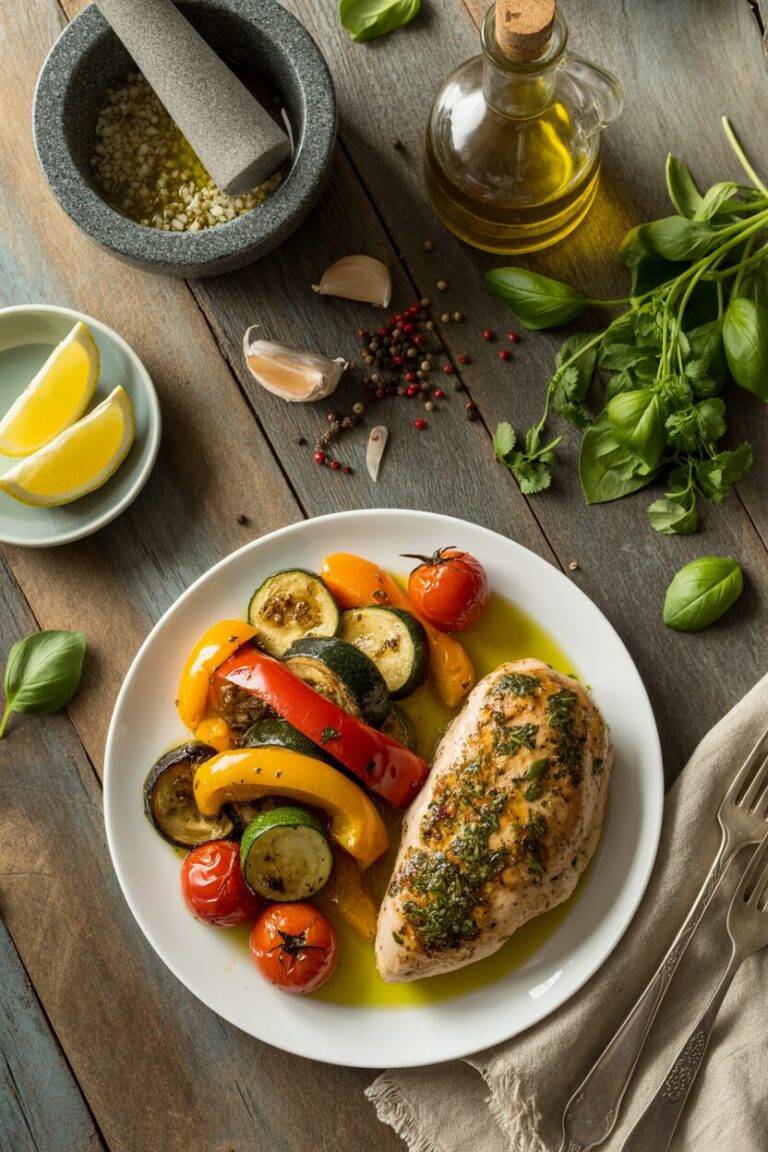
12. Grilled Chicken with Chimichurri
Season chicken breasts with salt and pepper, then grill or pan-sear them. Top with chimichurri made from fresh parsley, cilantro, garlic, red wine vinegar, olive oil, and red pepper flakes all blended together.
The herbs in chimichurri provide antioxidants and incredible flavor without any sodium overload. This sauce transforms plain chicken into something special. I make extra chimichurri and use it on everything—vegetables, fish, you name it.
13. Cauliflower Fried Rice
Pulse cauliflower in a food processor until it resembles rice. Sauté it with frozen mixed vegetables, scrambled egg, garlic, ginger, and low-sodium soy sauce. This veggie-packed version gives you way more nutrients than regular fried rice.
Cauliflower is part of the cruciferous vegetable family, which has been linked to reduced inflammation and better cardiovascular health. Plus, it’s a clever way to eat more vegetables without feeling like you’re eating more vegetables.
Pro Tip: Buy pre-riced cauliflower to save yourself the food processor cleanup. Your future self will thank you.
14. Almond Butter Banana Smoothie
Blend frozen banana, unsweetened almond milk, a spoonful of almond butter, a handful of spinach, and a sprinkle of cinnamon. The spinach disappears completely—you can’t taste it, I promise.
This smoothie gives you potassium from the banana, healthy fats from almond butter, and vitamins from the sneaky spinach. It’s perfect for mornings when you need something fast. I use this blender because it actually pulverizes frozen fruit instead of just moving it around.
Comparing nut butters, almond butter edges out peanut butter slightly in terms of vitamin E content, though both are excellent sources of healthy fats. Choose whichever one you prefer—your heart won’t know the difference.
15. Stuffed Bell Peppers with Brown Rice
Cut bell peppers in half and remove the seeds. Fill them with a mixture of cooked brown rice, black beans, corn, diced tomatoes, cumin, and chili powder. Bake at 375°F for 30 minutes. Get Full Recipe.
These are meal prep gold. Make six at once and you’ve got lunch sorted for half the week. The bell peppers provide vitamin C and antioxidants, while the brown rice and beans give you that fiber and protein combo.
16. Garlic Shrimp with Zucchini Noodles
Sauté shrimp in olive oil with tons of garlic, red pepper flakes, and lemon juice. Serve over spiralized zucchini that’s been quickly sautéed for 2-3 minutes. Light, fresh, and ready in 15 minutes.
Shrimp gets a bad rap for cholesterol, but recent research shows that dietary cholesterol doesn’t impact blood cholesterol as much as we once thought. The bigger concern is saturated fat, and shrimp is pretty low in that. If you love quick meals, these 400-calorie dinners are all fast and satisfying.
17. Moroccan Chickpea Stew
Sauté onions and garlic, then add chickpeas, diced tomatoes, vegetable broth, cumin, cinnamon, turmeric, and dried apricots. Simmer until thick and fragrant. Serve over quinoa or with whole wheat couscous.
The combination of spices gives this stew incredible depth without needing any added salt. The dried apricots add natural sweetness and a pop of color. This is one of those dishes that tastes even better the next day.
18. Baked Cod with Herbs
Place cod fillets on a baking sheet. Top with a mixture of breadcrumbs, lemon zest, fresh parsley, and a drizzle of olive oil. Bake at 400°F for 12-15 minutes until the fish flakes easily.
Cod is a lean white fish that’s mild enough for people who think they don’t like fish. The herb topping keeps it from drying out and adds tons of flavor. I serve it with roasted vegetables and call it a day.
19. Vegetable Frittata
Sauté bell peppers, onions, and spinach in an oven-safe skillet. Pour beaten eggs over the vegetables, add a little feta cheese, and transfer to the oven. Bake at 350°F until set, about 20 minutes.
Eggs have gotten a bad reputation over the years, but they’re actually fine for heart health when eaten in moderation as part of a balanced diet. This frittata is perfect for breakfast, lunch, or dinner—I’m not picky about when I eat my eggs.
20. Butternut Squash Soup
Roast butternut squash cubes until caramelized. Blend with vegetable broth, a touch of coconut milk, garlic, ginger, and curry powder. This soup is creamy, warming, and shockingly good considering how few ingredients it uses.
Butternut squash gives you beta-carotene and vitamin C, while the spices add anti-inflammatory compounds. I use an immersion blender directly in the pot because I’m not about that “transfer hot soup to a blender” life.
Must-Have Tool: Immersion Blender
This handheld blender has revolutionized my soup-making game. Blend soups, sauces, and smoothies right in the pot or container—no more dangerous transfers of hot liquid.
For more warming options, browse through these comfort food recipes that won’t derail your health goals.
21. Tuna Salad Lettuce Wraps
Mix canned tuna, Greek yogurt (instead of mayo), diced celery, red onion, and Dijon mustard. Spoon into butter lettuce leaves. It’s like a tuna sandwich but lighter and without the bread.
Using Greek yogurt instead of mayonnaise cuts the saturated fat significantly while adding protein. Canned tuna is one of the most budget-friendly sources of omega-3s you can find. Just look for varieties labeled “light” rather than “white” to minimize mercury exposure.
22. Roasted Vegetable and Hummus Bowl
Roast a mix of cauliflower, sweet potato, Brussels sprouts, and red onion with olive oil, salt, and pepper. Serve over quinoa with a generous scoop of hummus and a sprinkle of za’atar.
This is my go-to meal when I need something that feels substantial but isn’t heavy. The hummus adds protein and creaminess, while the roasted vegetables give you fiber and antioxidants. For similar wholesome meals, try these family-friendly options.
23. Apple Cinnamon Baked Oatmeal
Mix oats, unsweetened applesauce, cinnamon, nutmeg, diced apples, and walnuts. Bake in a casserole dish at 350°F for 35 minutes. Cut into squares and you’ve got breakfast for the week. Get Full Recipe.
Baked oatmeal is a game-changer for meal prep. It reheats perfectly and doesn’t get mushy like regular oatmeal sometimes does. The apples add natural sweetness, so you barely need any added sugar. I bake mine in this ceramic baking dish that cleans up easily.
24. Grilled Vegetable Skewers
Thread cherry tomatoes, zucchini chunks, bell peppers, red onion, and mushrooms onto skewers. Brush with olive oil and season with Italian herbs. Grill for 10-12 minutes, turning occasionally.
These skewers are perfect for summer cookouts or anytime you want to feel like you’re eating something special. The grilling caramelizes the vegetables and brings out their natural sweetness. Serve them alongside grilled chicken or fish, or make them the main event with some quinoa on the side.
25. Dark Chocolate Avocado Mousse
Okay, technically this is dessert, but it’s made with heart-healthy ingredients, so I’m counting it. Blend ripe avocado, cocoa powder, maple syrup, vanilla extract, and a pinch of salt until silky smooth. Chill for an hour.
The avocado gives this mousse an incredible creamy texture while adding healthy fats. Dark chocolate contains flavonoids, which research from multiple studies suggests may improve heart health. Just keep portions reasonable—this is still dessert, after all.
Stocking Your Heart-Healthy Pantry
You don’t need a million ingredients to cook heart-healthy meals. Here’s what I always keep on hand:
- Whole grains: Brown rice, quinoa, whole wheat pasta, rolled oats, farro
- Canned goods: Black beans, chickpeas, kidney beans, diced tomatoes, low-sodium broth
- Frozen items: Mixed vegetables, spinach, berries, salmon fillets
- Healthy fats: Olive oil, avocado oil, nuts, seeds, nut butters
- Proteins: Eggs, chicken breast, turkey, canned tuna
- Seasonings: Garlic, onions, herbs, spices, low-sodium soy sauce
With these basics, you can throw together a nutritious meal even when your fridge looks sad. I keep everything organized in these clear storage containers so I can actually see what I have. Game-changer for reducing food waste.
For a complete shopping strategy, check out this grocery list of cholesterol-lowering foods to keep your cart filled with the right stuff.
Making Heart-Healthy Eating Actually Stick
The problem with most healthy eating advice is that it assumes you have unlimited time, energy, and willpower. Real life doesn’t work that way. Here’s what actually helps me stick with heart-healthy eating:
Prep What You Can
I’m not talking about spending your entire Sunday making elaborate meal prep containers. Just do a few simple tasks: wash and chop vegetables, cook a batch of quinoa or brown rice, portion out nuts and seeds for snacks.
When vegetables are already prepped, you’re way more likely to actually use them. I learned this after tossing out yet another bag of wilted spinach that I never got around to washing. Now I prep veggies Sunday night and thank myself all week.
Keep It Flexible
Don’t treat recipes like they’re written in stone. Out of chickpeas? Use black beans. No spinach? Kale works. Can’t find salmon? Try cod or even chicken. The important part is the overall pattern of eating—whole grains, lots of vegetables, lean protein, healthy fats.
This flexibility means you’re not constantly running to the store for one missing ingredient. You work with what you’ve got, which is how people actually cook in real life.
Don’t Demonize Convenience
Frozen vegetables are just as nutritious as fresh—sometimes more so because they’re frozen at peak ripeness. Canned beans save you hours of soaking and cooking. Pre-washed salad greens cost a bit more but might be the difference between eating a salad and ordering pizza.
I used to feel guilty about buying pre-cut vegetables or rotisserie chicken. Then I realized that convenience foods that help you eat better are worth every penny. My cardiologist doesn’t care whether I chopped my own onions—she cares that I’m eating vegetables.
Build Habits Around Your Lifestyle
Some people swear by meal prepping on Sundays. Personally, I prefer to cook most nights but keep it simple with 20-minute meals. Figure out what actually works for your schedule rather than forcing yourself into someone else’s system.
If you work late, focus on recipes that come together in 15 minutes. Got young kids? One-pan meals are your friend. Hate cooking? That’s fine too—focus on simple assembly meals like salads, grain bowls, and wraps that don’t require actual cooking skills.
Sarah from our community tried implementing just three simple recipes from this list as her weekly rotation. She reported feeling more energized and actually looking forward to meals instead of stressing about them. Small changes add up.
Common Mistakes to Avoid
Going Too Extreme Too Fast
I see this all the time. People decide to overhaul their entire diet overnight, buy a bunch of ingredients they’ve never cooked with, and then feel overwhelmed by day three. Start with one or two recipes you can master before adding more.
Pick the meals that sound good to you and fit your current cooking skill level. Once those become easy, add another recipe to your rotation. Building slowly means you’re way more likely to stick with it long-term.
30-Day Heart-Healthy Meal Plan with Shopping Lists
Stop wondering what to cook every night. This comprehensive meal plan takes all the guesswork out of heart-healthy eating with done-for-you recipes, organized shopping lists, and nutrition breakdowns.
- 30 days of breakfast, lunch, and dinner recipes
- Weekly shopping lists organized by store section
- Prep-ahead tips to save time during the week
- Nutritional information for every meal
- Printable meal planning calendar
Instant PDF Download – Start planning tonight!
Thinking Everything Needs to Be Organic
Organic produce is great if you can afford it and it makes you feel good. But if choosing between organic junk food and regular vegetables, pick the vegetables every single time. Your heart doesn’t care about the USDA organic label—it cares about the nutrients.
Research shows that the health benefits of eating fruits and vegetables far outweigh any potential risks from pesticide residues on conventionally grown produce. Eat your vegetables however you can afford them.
Forgetting About Sodium
This is sneaky because you might be eating all the “right” foods but drowning them in salt. Even healthy ingredients like canned beans and broth can pack a serious sodium punch. Look for low-sodium versions and rinse canned beans before using them.
I’ve gotten way better at seasoning with herbs, spices, citrus juice, and vinegar instead of automatically reaching for the salt shaker. Your taste buds adjust faster than you’d think. After a few weeks of reducing sodium, salty foods actually start tasting too salty. For more guidance, these low-sodium dinners prove you don’t need salt for flavor.
Skipping Regular Check-Ups
All the heart-healthy recipes in the world can’t replace actual medical care. Get your cholesterol checked, monitor your blood pressure, and talk to your doctor about your cardiovascular health. Food is powerful medicine, but it works best alongside professional medical guidance.
I learned this lesson when I thought I was doing everything right with my diet but my cholesterol was still high. Turned out I needed medication plus dietary changes to get things under control. There’s no shame in needing extra help.
Pro Tip: Track your blood pressure at home with a reliable monitor. Seeing those numbers improve over time is incredibly motivating for sticking with healthy habits.
The Role of Specific Ingredients in Heart Health
Why Omega-3s Matter
Omega-3 fatty acids, particularly EPA and DHA found in fatty fish, have been extensively studied for their cardiovascular benefits. They help reduce triglycerides, slightly lower blood pressure, and may reduce the risk of abnormal heart rhythms.
You can get omega-3s from salmon, mackerel, sardines, walnuts, flaxseeds, and chia seeds. I aim for fatty fish at least twice a week. When I can’t manage that, I throw chia seeds or ground flaxseed into smoothies and oatmeal. For seafood inspiration, many of these weekly essentials include fish options.
The Complete Guide to Heart-Healthy Cooking for Beginners
Master the fundamentals of cooking for heart health with this beginner-friendly ebook. No confusing medical jargon—just practical, actionable advice you can start using today.
- How to stock a heart-healthy pantry on any budget
- Simple ingredient swaps that make any recipe healthier
- 20 foolproof recipes with step-by-step photos
- Meal prep strategies that actually work for busy people
- Shopping guide with brand recommendations
90-page digital guide you can read on any device
The Fiber Factor
Soluble fiber is like a sponge for cholesterol in your digestive system. It binds to cholesterol and helps your body eliminate it before it enters your bloodstream. Foods high in soluble fiber include oats, beans, lentils, apples, and Brussels sprouts.
According to the Mayo Clinic, getting 5-10 grams of soluble fiber daily can decrease your total cholesterol and LDL cholesterol by a small but meaningful amount. That’s about a cup of oatmeal plus a cup of beans spread throughout the day.
Potassium’s Hidden Power
Most people know sodium raises blood pressure, but fewer know that potassium helps lower it. Potassium helps your body get rid of excess sodium and eases tension in blood vessel walls. Bananas, sweet potatoes, spinach, beans, and avocados are all excellent sources.
I used to think potassium was only in bananas, but it’s actually in tons of foods. A medium sweet potato has more potassium than a banana. So do white beans. Variety matters more than obsessing over any single food.
Making It Work for Different Situations
Eating Heart-Healthy at Work
Packing lunch doesn’t have to be complicated. I rotate between grain bowls, big salads with protein, and leftover dinner. The key is making it easy enough that you’ll actually do it instead of hitting the cafeteria.
Invest in good quality food containers that don’t leak and are microwave-safe. Nothing kills the motivation to pack lunch faster than cleaning salad dressing out of your work bag. For more ideas, explore these work lunch options that travel well.
Feeding a Family
Getting everyone on board with heart-healthy eating can feel like negotiating a peace treaty. The trick is making food that doesn’t taste like “health food.” Most kids (and picky adults) will eat pasta with marinara, tacos, stir-fries, and pizza when they’re made with better ingredients.
I don’t make separate meals for kids. Everyone eats the same thing, but I might adjust seasonings or serve components separately so people can customize. Black bean tacos become way less scary when everyone can build their own.
Cooking for One
Cooking for one person can feel inefficient, but it’s actually perfect for controlling portions and customizing meals exactly how you like them. Embrace small-batch cooking and planned leftovers.
I make recipes that either scale down easily or that I’m happy to eat for a few days. That lentil soup? I portion it into containers and freeze half. Future me loves past me for that decision. Using a small slow cooker or mini food processor makes single-serving cooking way easier.
Budget-Friendly Heart-Healthy Eating
You don’t need expensive ingredients to eat well. Beans, rice, oats, eggs, canned tomatoes, frozen vegetables, and chicken thighs are all cheap and heart-healthy. A bag of dried beans costs less than a dollar and makes multiple meals.
I buy whatever produce is on sale and build my meals around that. Store brands work just as well as name brands for most pantry staples. If you’re strategic about it, eating heart-healthy can actually be cheaper than a diet heavy in processed foods and restaurant meals.
Heart-Healthy Meal Prep Toolkit & Recipe Cards
Everything you need to make meal prep effortless. This toolkit includes printable recipe cards, prep checklists, grocery lists, and a meal planning system that takes the stress out of healthy eating.
- 50+ printable recipe cards for easy reference
- Weekly meal prep checklist and planning sheets
- Customizable grocery list templates
- Portion control guide and measurement charts
- Kitchen organization labels and storage guides
Print at home or save to your phone – use it however works for you
Frequently Asked Questions
Can I eat eggs if I’m worried about heart health?
Yes, most people can include eggs as part of a heart-healthy diet. Research has shown that dietary cholesterol from eggs doesn’t significantly impact blood cholesterol for most people. The bigger concern is limiting saturated fat and trans fats. If you have diabetes or heart disease, talk to your doctor about how many eggs are right for you, but for most people, one egg per day is perfectly fine.
How quickly will I see improvements in my cholesterol from diet changes?
Most people see changes in cholesterol levels within 4-6 weeks of making consistent dietary changes. However, the extent of improvement varies based on your genetics, starting levels, and how strictly you follow heart-healthy eating patterns. Some people see dramatic improvements from diet alone, while others need medication plus dietary changes. Don’t get discouraged if changes are gradual—every improvement counts.
Are plant-based proteins as good as animal proteins for heart health?
Plant-based proteins like beans, lentils, tofu, and nuts are excellent for heart health because they provide protein without saturated fat, plus they add fiber that animal proteins lack. You don’t have to go completely plant-based, but swapping some meat meals for plant-based options can benefit your heart. Try meatless Monday or substitute beans for ground beef in recipes a few times a week.
Do I really need to cut out all saturated fat?
You don’t need to eliminate saturated fat entirely, but limiting it makes a real difference. The American Heart Association recommends getting no more than 5-6% of your daily calories from saturated fat—that’s about 13 grams if you eat 2,000 calories per day. Focus on replacing saturated fats (butter, fatty meats, full-fat dairy) with unsaturated fats (olive oil, nuts, avocados) rather than just cutting fat altogether.
What’s the single most important change I can make for heart health?
If I had to pick one thing, it would be eating more vegetables and whole foods while reducing processed foods. But honestly, heart health comes from the overall pattern of eating rather than any single change. Small, consistent improvements—like adding a serving of vegetables to dinner, choosing whole grains, or having fish once a week—add up to meaningful benefits over time.
Final Thoughts
Heart-healthy eating doesn’t require perfection or expensive ingredients. It’s about making better choices most of the time and finding recipes you actually enjoy enough to make regularly. These 25 recipes use simple, accessible ingredients that you can find at any grocery store.
The best diet for your heart is one you’ll stick with long-term. That means finding foods you genuinely like, being flexible with recipes, and not beating yourself up over occasional indulgences. I still eat pizza and dessert—I just make sure the foundation of my diet is built on whole grains, vegetables, lean proteins, and healthy fats.
Start with a couple recipes that sound appealing to you. Make them a few times until they become second nature. Then add another one to your rotation. Before you know it, you’ll have built a collection of go-to meals that support your heart health without making you feel like you’re on a restrictive diet.
Your heart is worth the effort, but the effort doesn’t have to be complicated. Simple ingredients, straightforward cooking methods, and consistent habits will get you further than any trendy superfood or complicated meal plan. Just start cooking and see where it takes you.
Join Our Heart-Healthy Community
Want daily recipes, meal prep tips, and nutrition insights delivered straight to your phone? Join our WhatsApp channel where I share quick recipes, answer questions, and keep you motivated on your heart-health journey.
Over 5,000 members are already cooking healthier together. See you inside!