21 Heart-Healthy Mediterranean-Style Dinners
Look, I’m not going to tell you that switching to Mediterranean-style dinners will magically transform your life overnight. But here’s the thing—after years of watching friends cycle through restrictive diets and complicated meal plans, I’ve noticed something interesting. The people who stick with Mediterranean eating don’t treat it like a diet at all. They just cook with olive oil instead of butter, toss more vegetables into their pasta, and somehow end up feeling better without all the drama.
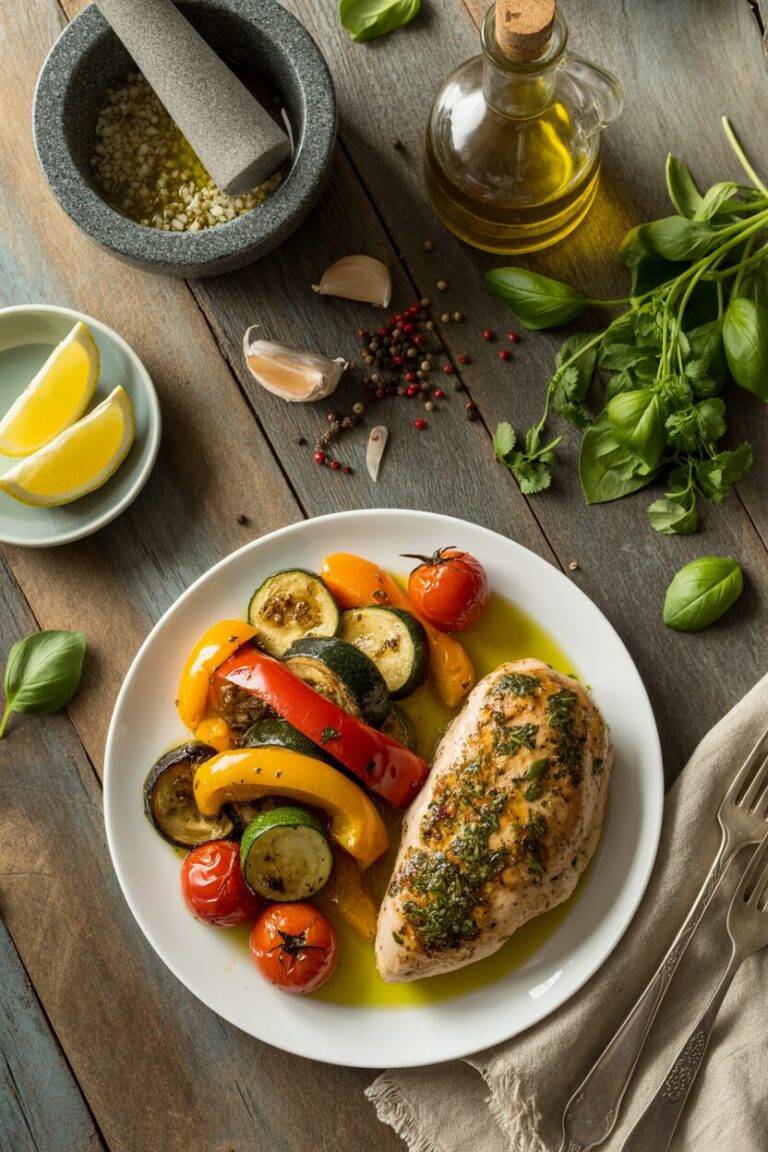
What makes Mediterranean dinners different isn’t some complicated formula. It’s straightforward: more plants, good fats, and flavors that actually make you want to cook. And yeah, the heart health benefits are real. Research consistently shows that people following Mediterranean eating patterns have significantly lower rates of heart disease and stroke.
🍽️ Join Our Food Community
Want more Mediterranean recipes, meal prep tips, and healthy eating hacks delivered straight to your phone? Join our WhatsApp channel where I share weekly recipes, quick cooking videos, and answer your kitchen questions. It’s like having a food-savvy friend in your pocket.
Join Our WhatsApp CommunityWhy Your Heart Actually Likes This Way of Eating
Let me be straight with you—I’m not a cardiologist. But I’ve read enough studies and talked to enough doctors to understand why Mediterranean-style eating keeps coming up in conversations about heart health. The science isn’t exactly rocket surgery.
The Mediterranean approach focuses on monounsaturated fats from olive oil, which help lower bad cholesterol without tanking the good stuff. Toss in omega-3s from fish, fiber from whole grains and legumes, and antioxidants from vegetables, and you’ve got a combination that reduces inflammation and supports vascular health.
Here’s what I find fascinating: studies show that people consuming more than half a tablespoon of olive oil daily had a 15% lower risk of cardiovascular disease. That’s not from some magic pill—that’s from drizzling high-quality extra virgin olive oil on your salad.
The Building Blocks of Mediterranean Dinners
When you strip away all the Instagram-worthy food photography, Mediterranean dinners come down to a handful of core ingredients. Nothing exotic. Nothing you can’t find at a regular grocery store.
Olive Oil (The Real MVP)
Olive oil isn’t just for cooking—it’s the foundation. I keep two bottles in my kitchen: a decent everyday olive oil for cooking and a fancier extra virgin for finishing dishes. The difference in flavor? Night and day.
Extra virgin olive oil contains polyphenols—compounds that protect your blood lipids from oxidation. Think of it as your heart’s personal bodyguard. I use mine liberally, and I mean that. Forget the “just a drizzle” nonsense. Mediterranean folks pour it on.
Vegetables That Don’t Taste Like Punishment
Let’s talk about vegetables for a second. Mediterranean cooking doesn’t serve them steamed and sad. They’re roasted with garlic until caramelized, sautéed in olive oil with herbs, or grilled until they’ve got those charred bits that make everything taste better.
Tomatoes, eggplant, zucchini, bell peppers, leafy greens—these show up constantly. And honestly? When you roast them properly on a good sheet pan, even vegetable skeptics come around.
The Sheet Pan That Actually Browns Vegetables
Cheap sheet pans warp in the oven and nothing browns properly. I switched to Nordic Ware Commercial Baker’s Half Sheet and it’s been three years without a single warp. Heavy-gauge aluminum heats evenly, so vegetables actually caramelize instead of steaming. The edges never burn while centers stay raw. Worth every penny for Mediterranean cooking.
- Professional-grade heavy aluminum
- Never warps, even at 500°F
- Natural non-stick surface over time
- Lifetime warranty from Nordic Ware
Fish Over Red Meat
Mediterranean meals emphasize fish and seafood over red meat. Salmon, sardines, mackerel—these fatty fish pack omega-3 fatty acids that reduce inflammation and lower triglycerides. You don’t need to eat fish every night, but a couple times a week makes a difference.
If you’re wondering how to prepare fish without overcooking it into shoe leather, I’ve learned that an instant-read thermometer removes all the guesswork. Pull it at 125-130°F for salmon, and it’ll finish cooking from carryover heat.
The Thermometer That Changed How I Cook Fish
I ruined so many salmon fillets before getting a proper instant-read thermometer. This ThermoPro Digital Instant Read reads in 3 seconds, is waterproof, and the backlit display actually works in dim kitchen lighting. It’s the difference between perfectly flaky fish and expensive cat food.
- Ultra-fast 3-second readings
- Accurate to ±0.9°F
- Folds flat for drawer storage
- Perfect for fish, poultry, and meat
Whole Grains and Legumes
Refined carbs? Not really the vibe here. Mediterranean dinners lean on whole grains like farro, bulgur, and brown rice. These provide fiber that helps manage cholesterol levels and keeps you full without the blood sugar roller coaster.
Chickpeas, lentils, white beans—they’re cheap, filling, and versatile. I always keep a few cans of chickpeas in the pantry because they turn a simple salad into an actual meal.
Speaking of heart-healthy staples, you might want to check out these 17 heart-healthy foods to eat every week that pair perfectly with Mediterranean cooking principles.
21 Mediterranean Dinner Ideas That Won’t Bore You
Alright, let’s get to the actual meals. These aren’t complicated restaurant dishes. They’re practical dinners you can realistically make on a weeknight without losing your mind.
Fish and Seafood Mains
Mediterranean Baked Salmon with Tomatoes and Olives is my go-to when I need something impressive but easy. You literally throw everything on a sheet pan, bake for 15 minutes, and you’re done. The olives and capers bring that briny punch that makes the dish taste way more sophisticated than the effort required.
Grilled Whole Fish with Lemon and Herbs sounds fancy, but it’s shockingly simple. The trick? Make sure your grill grates are clean and well-oiled. I learned this the hard way after scraping fish skin off my grates for 20 minutes. A fish grilling basket also helps if you’re nervous about flipping.
Shrimp Saganaki—that’s shrimp baked in tomato sauce with feta—is basically comfort food masquerading as health food. High in protein, loaded with flavor, and you can mop up the sauce with crusty bread without guilt.
Pan-Seared Sea Bass with Olive Tapenade takes about 10 minutes start to finish. Pat the fish dry (this is key for a good crust), season generously, and get your cast iron skillet screaming hot. The tapenade is just olives, capers, and garlic pulsed in a food processor.
Grilled Sardines might sound intense if you’re not used to them, but they’re packed with omega-3s and have this rich, almost buttery flavor when grilled properly. Plus they’re sustainable and cheap.
Poultry Done Right
Chicken Souvlaki with Tzatziki is probably the most requested meal in my house. Marinate chicken in lemon, garlic, oregano, and olive oil for a few hours, grill it, and serve with homemade tzatziki. The yogurt sauce counts as protein, FYI.
Slow-Roasted Chicken with Potatoes and Lemon requires minimal hands-on time but delivers maximum flavor. Everything goes in one pan, and you just let the oven do its thing. The potatoes absorb all the chicken drippings and lemon juice. This is the kind of meal that makes your kitchen smell like you know what you’re doing.
Turkish-Style Chicken Kebabs work great for meal prep because you can marinate the chicken in advance. Thread them on metal skewers (wooden ones always burn no matter how much you soak them), and you’ve got a high-protein dinner that reheats well.
Chicken Tagine with Olives and Preserved Lemons sounds exotic, but it’s basically a braised chicken dish. If you can’t find preserved lemons, regular lemon zest works—it’s not exactly authentic, but it gets the job done.
For more poultry inspiration that keeps your cholesterol in check, take a look at these 25 low-cholesterol meals doctors actually recommend. They’ve got some solid chicken variations that fit perfectly into a Mediterranean rotation.
Vegetarian Mains That Don’t Feel Like You’re Missing Something
Eggplant Moussaka is basically lasagna’s Greek cousin. Layers of eggplant, tomato sauce, and béchamel. Yes, it takes time. No, it’s not a weeknight meal. But it’s worth making on a Sunday when you can batch-cook for the week.
Stuffed Bell Peppers with Quinoa and Feta are a complete meal in a vegetable shell. I stuff these with whatever’s in my fridge—quinoa, chopped tomatoes, herbs, some feta—and bake until the peppers are tender. They reheat beautifully.
Shakshuka technically works for breakfast, but I eat it for dinner all the time. Eggs poached in spicy tomato sauce with peppers and onions. Serve with crusty bread, and you’ve got a satisfying meal that comes together in 30 minutes.
Gigantes Plaki—those giant white beans baked in tomato sauce—are ridiculously underrated. High in fiber, filling, and they taste even better the next day. You need a good Dutch oven for this one to get the beans properly tender.
Spanakopita (spinach pie with phyllo dough) looks impressive but isn’t hard if you work carefully with the phyllo. Keep it covered with a damp towel so it doesn’t dry out, brush each layer with olive oil, and you’re golden. Literally.
Pasta and Grain Bowls
Pasta with Sardines and Fennel might sound weird if you’ve never had it, but this Sicilian classic works. The sardines break down into the sauce, the fennel adds sweetness, and some toasted breadcrumbs on top add crunch. It’s a complete flavor experience.
Lemon Orzo with Asparagus and Peas is my spring dinner move. Light, bright, and it doesn’t sit in your stomach like a brick. The key is saving some pasta water to help the sauce come together—that starchy water is basically liquid gold.
Greek-Style Pasta with Tomatoes and Feta is what happens when you bake a block of feta with cherry tomatoes until everything gets jammy and delicious. Toss with pasta, add some fresh basil, and call it a day. This went viral on social media for good reason—it’s stupid easy and actually good.
Farro Bowl with Roasted Vegetables and Tahini hits different when you’re craving something hearty but healthy. Farro has this nutty, chewy texture that’s more interesting than rice. Top with whatever roasted vegetables you’ve got and a tahini drizzle.
When you’re racing against the clock on a busy weeknight, check out these 30 heart-healthy recipes for busy weeknights that keep the Mediterranean vibe without the time commitment.
💬 Get Daily Cooking Inspiration
Tired of deciding what’s for dinner every night? Our WhatsApp community shares daily meal ideas, substitution tips, and real-time cooking help when you need it. Plus, you’ll connect with other home cooks who actually get it. No spam, just good food talk.
Join the ConversationSoups and Stews That Stick to Your Ribs
Greek Lemon Chicken Soup (Avgolemono) is comfort in a bowl. The egg-lemon mixture makes it creamy without any cream—it’s all technique. Just temper your eggs properly so they don’t scramble. Nobody wants egg drop soup by accident.
Lentil Soup with Spinach and Lemon is cheap, nutritious, and freezes well. I make a huge batch, portion it into freezer-safe containers, and have healthy lunches for weeks. Add a squeeze of lemon at the end to brighten everything up.
Fish Stew with Saffron and Fennel feels like a special occasion meal but comes together quickly. Use whatever firm white fish you can find—cod, halibut, whatever’s fresh. The saffron is expensive, sure, but you only need a pinch, and it transforms the dish.
If you’re looking to reduce sodium without sacrificing flavor, these 15 low-sodium dinners that still taste amazing will show you how Mediterranean cooking naturally keeps salt in check through herbs and acid.
The Olive Oil Conversation Nobody’s Having
Can we talk about olive oil quality for a minute? Because there’s a lot of garbage olive oil on store shelves.
Real extra virgin olive oil should taste peppery, almost spicy at the back of your throat. If your olive oil tastes bland or greasy, you’ve got refined oil masquerading as the good stuff. Look for bottles with a harvest date (not just “best by”), stored in dark glass, and with a Protected Designation of Origin (PDO) label if possible.
Research published in medical journals confirms that extra virgin olive oil’s polyphenols provide antioxidant and anti-inflammatory benefits that regular olive oil lacks due to processing. Those polyphenols matter for heart health.
I keep mine in a dark glass bottle with a pourer away from heat and light. Olive oil degrades over time, so buy smaller bottles and use them within a few months rather than keeping a giant container that goes rancid.
The Essential Mediterranean Kitchen: Tools That Actually Matter
After years of testing kitchen gadgets and cookware, I’ve narrowed down the exact tools that make Mediterranean cooking easier (and some that are total wastes of money). From the right knife for chopping herbs to the pan that gets fish skin perfectly crispy, this guide breaks down what’s worth buying and what to skip.
Read the Full Kitchen Guide →The Flavor Secret: Acid, Salt, Fat, Heat
IMO, the reason Mediterranean food tastes so damn good comes down to balance. You need acid (lemon juice, vinegar), salt (yes, salt—but from high-quality sea salt, olives, and capers), fat (olive oil, tahini), and proper heat management.
Ever notice how restaurant food tastes better? It’s not magic. They use more fat and acid than you do at home. Squeeze lemon over your finished dish. Be generous with the olive oil. Don’t be shy with the salt while cooking (you can always add less on your plate).
A good finishing salt makes a difference too. I keep a flaky sea salt around just for sprinkling on finished dishes. The texture and mineral flavor elevate everything.
Meal Prep Without Losing Your Mind
Look, I’m not going to pretend I meal prep every Sunday with matching containers and color-coded labels. But I do make Mediterranean cooking easier by prepping a few things in advance.
Batch-cook grains. Make a big pot of farro, bulgur, or brown rice on Sunday, and you’ve got bases for multiple meals. Store in the fridge for up to five days, and just reheat as needed.
Roast vegetables ahead. Throw a bunch of vegetables on sheet pans, roast them all at once, and store in containers. They’re great cold in salads, reheated as sides, or tossed with pasta.
Make dips and sauces. Hummus, tzatziki, tahini sauce—these keep for days and turn simple proteins and vegetables into complete meals. A food processor makes this way easier than doing it by hand.
Need some portable options for the office? These 20 heart-healthy lunch ideas for work translate Mediterranean flavors into packable meals that actually travel well.
Best Food Storage Containers for Meal Prep (Tested & Ranked)
I’ve gone through dozens of storage containers testing which ones actually keep food fresh, don’t leak in your bag, and survive the dishwasher. Some expensive “premium” brands failed miserably, while a few budget options surprised me. This comparison guide shows you exactly which containers are worth your money for Mediterranean meal prep—with real-world testing photos.
See the Test Results →The Whole “Mediterranean Lifestyle” Thing
Here’s where I might lose some people, but hear me out. Mediterranean eating isn’t just about the food itself—it’s about how you eat. Meals are slower, more social, less rushed.
I’m not suggesting you start having three-hour dinners every night (who has time for that?). But putting your phone down, sitting at an actual table, and eating without distractions? That changes how you experience food. You notice when you’re full. You actually taste what you’re eating.
The research backs this up too. Studies show that people who eat meals slowly and mindfully tend to eat less overall and report higher satisfaction. Ever wonder why this works so well? It gives your brain time to catch up with your stomach.
Budget-Friendly Mediterranean Eating
Let me address the elephant in the room: some people think eating Mediterranean is expensive. And yeah, if you’re buying wild-caught salmon and imported feta every night, it adds up. But it doesn’t have to be that way.
Canned fish is your friend. Sardines, anchovies, and even canned tuna pack the same omega-3 benefits as fresh fish at a fraction of the cost. Legumes are dirt cheap—dried lentils and chickpeas cost almost nothing and provide excellent protein and fiber.
Buy seasonal vegetables. Whatever’s on sale is usually what’s in season, and that’s when vegetables taste best anyway. Buy olive oil in larger bottles if you use it regularly—it’s more economical, and it keeps fine if stored properly.
Skip specialty items when possible. Can’t find preserved lemons? Use fresh lemon zest. No Greek yogurt? Regular yogurt works. The purists might disagree, but pragmatic cooking beats not cooking at all.
If you’re just getting started and want simple wins, check out these 25 easy heart-healthy meals for beginners that ease you into Mediterranean cooking without overwhelming your budget or schedule.
Common Mistakes People Make
After watching friends attempt Mediterranean cooking, I’ve noticed some recurring issues.
Using low-quality olive oil. I said it before, but it bears repeating. Cheap, refined olive oil defeats the purpose. You don’t need the most expensive bottle, but get something that actually tastes like olives.
Underseasoning. Mediterranean food is well-seasoned—not spicy, necessarily, but properly salted. Season your pasta water. Salt your vegetables before roasting. Build flavor at each stage rather than trying to fix bland food at the end.
Overcooking fish. Fish continues cooking after you pull it from heat. Learn to pull it slightly early, and you’ll stop serving dry, flavorless fillets.
Forgetting about herbs. Fresh herbs aren’t just garnish—they’re integral. Parsley, dill, oregano, basil, mint. They add brightness and complexity. I grow some in small pots on my windowsill because buying fresh herbs every week gets expensive.
Making it complicated. Mediterranean cooking is fundamentally simple. If you find yourself following recipes with 30 ingredients and eight separate components, you’ve wandered into fusion territory. Not that there’s anything wrong with that, but it’s not traditional Mediterranean cooking.
What About Red Wine?
People always ask about the red wine thing. Yes, moderate red wine consumption is part of traditional Mediterranean eating patterns. But let’s be clear: the health benefits come primarily from the food, not the alcohol.
If you already drink moderately (that’s one glass for women, two for men per day), fine. But don’t start drinking wine because you think it’ll make you healthier. The antioxidants in red wine are nice, but you get similar compounds from grapes, berries, and red vegetables.
Honestly, the social aspect of sharing a glass of wine with dinner probably matters more than the resveratrol content. It slows down the meal, encourages conversation, and makes dinner feel like an event rather than a task.
Making It Stick Long-Term
The thing about Mediterranean eating that makes it sustainable is that it doesn’t feel restrictive. You’re not cutting entire food groups. You’re not counting calories or macros. You’re just shifting the emphasis toward plants, good fats, and whole foods.
Start small if this feels overwhelming. Swap butter for olive oil in your cooking this week. Add an extra serving of vegetables to dinner. Try fish instead of beef once. Small changes compound over time.
Don’t aim for perfection. Some nights you’ll order pizza. Sometimes you’ll want a burger. That’s fine. Mediterranean eating works because it’s flexible enough to fit into real life, not some idealized version where you make everything from scratch every night.
When you need something that feels indulgent without derailing your efforts entirely, these 10 heart-healthy comfort foods that feel indulgent prove you don’t have to choose between enjoying food and taking care of your heart.
The Bottom Line on Breakfast
Quick note about breakfast since most Mediterranean dinner guides ignore it: traditional Mediterranean breakfasts are simple. Yogurt, fruit, whole grain bread with olive oil and tomatoes, maybe some cheese. Nothing elaborate.
If you’re trying to embrace Mediterranean eating fully, starting your day with these patterns makes the rest easier. High protein, good fats, and fiber in the morning keeps you satisfied and less likely to make poor choices later. These 12 heart-healthy breakfasts under 300 calories give you some solid morning options that align with Mediterranean principles.
Final Thoughts
Mediterranean-style dinners work because they’re based on real food that tastes good. You’re not white-knuckling your way through meals you hate. You’re eating flavorful food that happens to be good for you.
The heart health benefits are well-documented—lower cholesterol, reduced inflammation, better blood pressure control. But honestly, the reason I keep cooking this way is simpler: it tastes good, it’s satisfying, and I don’t feel deprived.
Start with a couple of these dinners this week. Get comfortable with the core ingredients and techniques. Build from there. You don’t need to overhaul your entire kitchen or spend hours reading about the traditional foods of Crete. Just cook some vegetables in good olive oil, squeeze some lemon on top, and see how you feel.
That’s really all there is to it.