21 Heart-Healthy Dinners That Lower Cholesterol Naturally
Let’s be real—when your doctor mentions the C-word (cholesterol, not that one), dinner suddenly becomes this minefield of “can I eat this?” anxiety. But here’s the thing: eating for a healthier heart doesn’t mean surviving on plain grilled chicken and sad steamed broccoli for the rest of your life.
I’ve been down this road, and honestly? Some of the best meals I’ve ever made came from figuring out how to cook food that actually loves my heart back. No cardboard-flavored “health food” here. We’re talking about dinners that make you forget you’re even eating for your cholesterol levels.
So yeah, let’s talk about 21 dinners that’ll help keep your cholesterol in check while actually tasting like something you’d choose to eat—not something prescribed by your cardiologist.
Why Dinner Matters Most for Cholesterol
Here’s something most people don’t realize: dinner is actually your secret weapon against high cholesterol. While breakfast gets all the hype, what you eat in the evening has a massive impact on your overnight cholesterol production. Your liver works overtime at night processing fats and producing cholesterol, so feeding it the right stuff before bed? Game changer.
Research shows that incorporating more soluble fiber, omega-3 fatty acids, and plant sterols into your evening meal can significantly reduce LDL cholesterol (that’s the bad kind, FYI) while boosting HDL (the good stuff). According to the American Heart Association’s guidelines on cholesterol management, people who eat fiber-rich dinners regularly see noticeable improvements in their cholesterol panels within weeks.
But this isn’t about perfection. It’s about making smarter swaps without feeling like you’re punishing yourself.
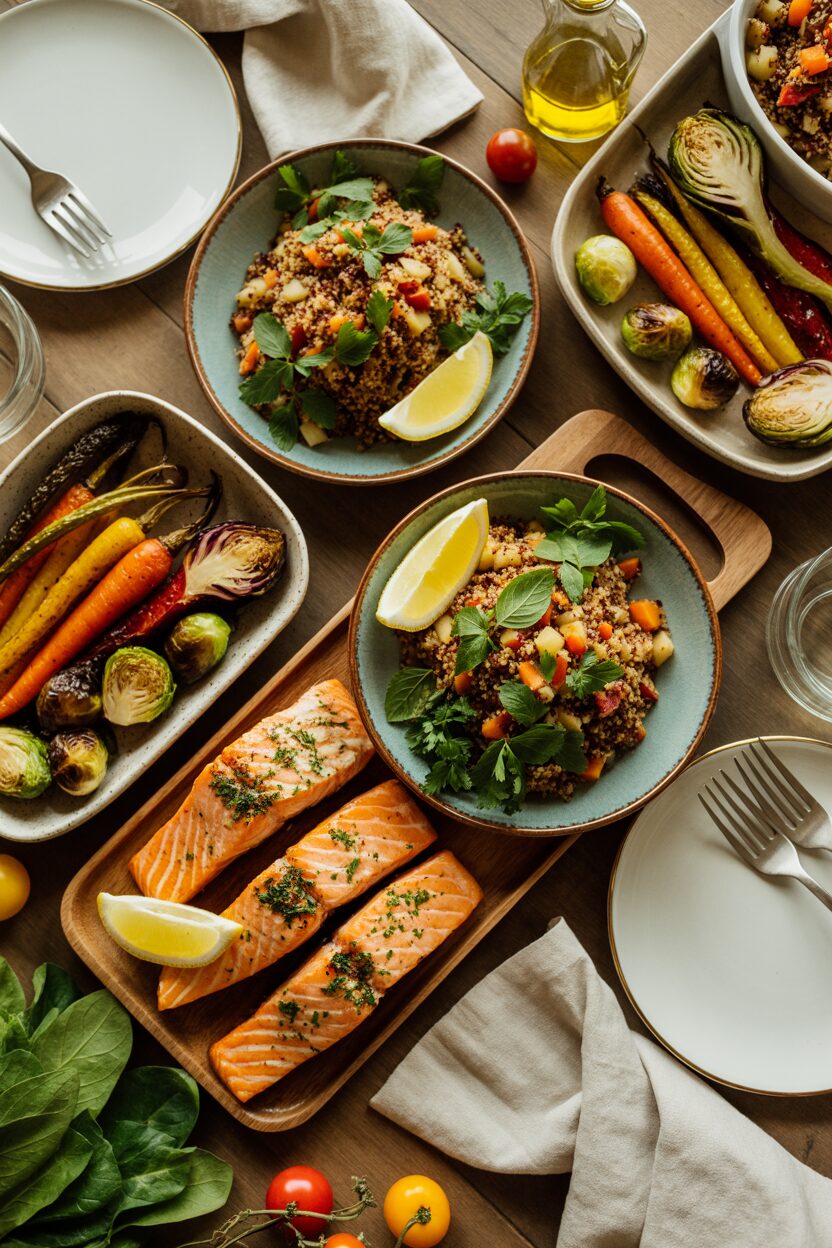
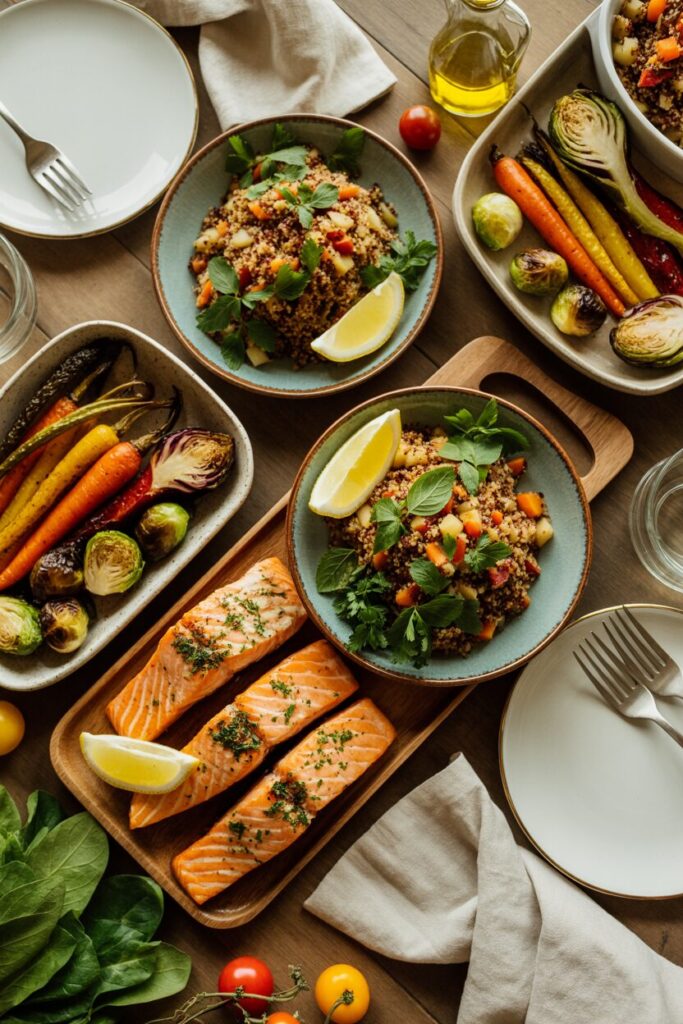
1. Salmon with Roasted Brussels Sprouts and Quinoa
Okay, salmon is basically the poster child for heart health, and for good reason. Those omega-3 fatty acids are like little janitors cleaning out your arteries. I usually grab wild-caught when I can—it’s got more omega-3s than farmed.
Pair it with Brussels sprouts (yes, the vegetable you hated as a kid but secretly love now) roasted until they’re crispy and caramelized. Toss in some quinoa for fiber, and you’ve got a complete meal that checks every heart-healthy box. [Get Full Recipe]
The beauty of this combo? The quinoa’s soluble fiber helps block cholesterol absorption, while the salmon actively reduces triglycerides. It’s like a tag team working in your favor.
I use this nonstick baking sheet for my Brussels sprouts—they get perfectly caramelized without sticking, and cleanup is literally just a quick rinse.
2. Mediterranean Chickpea Bowl
If there’s one cuisine that knows how to do heart-healthy right, it’s Mediterranean. This bowl is basically everything good about that diet thrown into one dish—chickpeas for plant-based protein and fiber, cucumbers, tomatoes, olives, a drizzle of olive oil, and some crumbled feta if you’re feeling fancy.
I use this glass mixing bowl set for tossing everything together—makes prep stupid easy and cleanup even easier. The different sizes mean I can prep all my ingredients separately, then combine them right before serving.
Chickpeas are seriously underrated. They’re packed with soluble fiber that literally binds to cholesterol in your digestive system and escorts it out. Plus, they’re filling enough that you won’t be raiding the pantry an hour later.
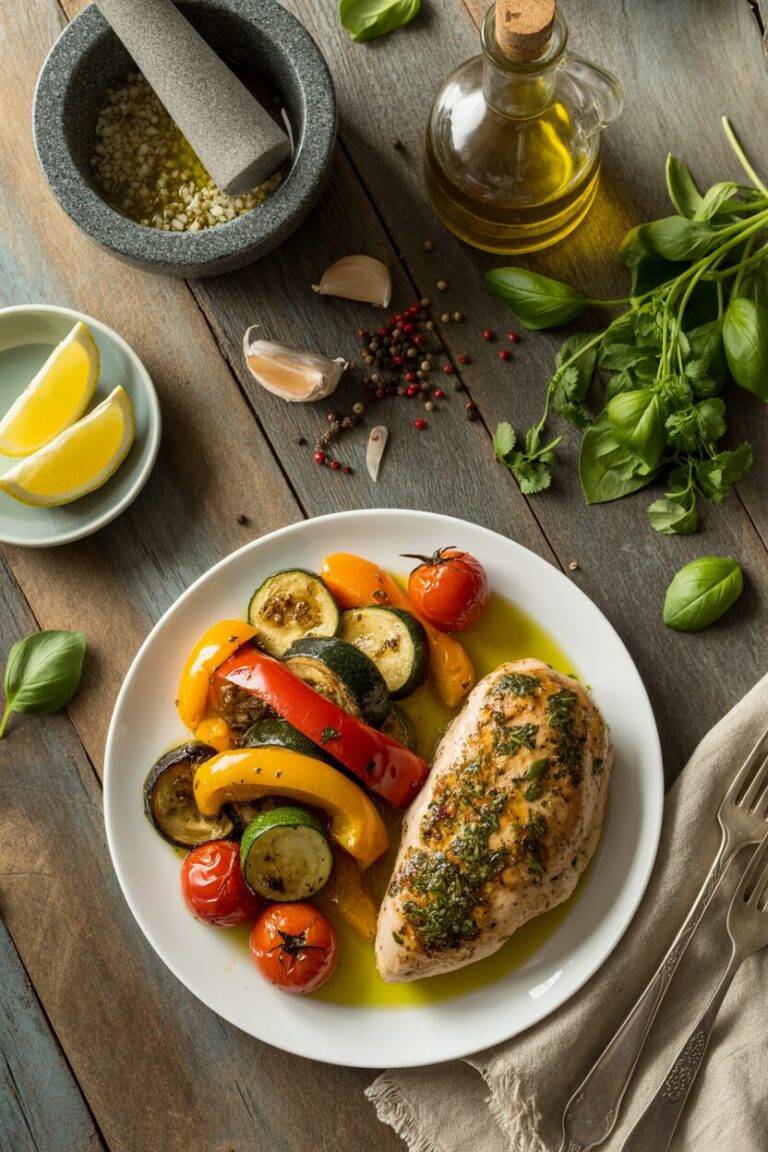
3. Grilled Chicken with Roasted Root Vegetables
Sometimes simple is best. A well-seasoned grilled chicken breast (or thigh—I won’t judge, thighs have more flavor anyway) alongside a medley of roasted carrots, parsnips, and sweet potatoes hits differently.
The trick is seasoning. I go heavy on herbs like rosemary and thyme, which aren’t just flavor bombs—they’re also packed with antioxidants that help reduce inflammation. This silicone basting brush makes getting that herb-infused olive oil on everything way less messy, and it actually cleans up properly unlike those old-school bristle brushes.
Root vegetables bring complex carbs and fiber to the table without spiking your blood sugar. IMO, they’re way more satisfying than rice or pasta.
Speaking of Mediterranean-inspired meals, you might also love [this Greek-style lemon chicken with artichokes] or [these herb-crusted turkey meatballs]—both are ridiculously flavorful and heart-friendly.
4. Lentil and Vegetable Stir-Fry
Lentils are the unsung heroes of cholesterol management. They’re cheap, they cook fast, and they’re loaded with both soluble and insoluble fiber. Throw them in a stir-fry with whatever vegetables you’ve got hanging out in your crisper drawer.
I typically use brown or green lentils—they hold their shape better than red ones when you’re tossing everything around in a hot pan. A good carbon steel wok makes the whole process foolproof, even if you’ve never stir-fried before. It heats up crazy fast and distributes heat way better than nonstick.
The fiber content in lentils has been shown to lower LDL cholesterol by up to 5-7% when eaten regularly, according to research published in the Canadian Medical Association Journal. Not too shabby for something that costs like two bucks a bag.
5. Baked Cod with Tomato-Olive Tapenade
Fish is your friend when you’re watching cholesterol, and cod is perfect if salmon feels too fishy or too expensive. It’s mild, flaky, and takes on whatever flavors you throw at it.
Top it with a quick tapenade—just pulse tomatoes, olives, capers, and garlic in a food processor. The healthy fats from the olives plus the lean protein from the cod make this a cardiovascular win. [Get Full Recipe]
Baking fish is way less intimidating than people think. Pop it on parchment paper, add your toppings, fold it up, and let the oven do its thing. These pre-cut parchment paper sheets save me from scrubbing pans constantly and they’re already sized perfectly for sheet pans.
6. Black Bean and Sweet Potato Tacos
Tacos for heart health? Absolutely. Black beans are fiber powerhouses, and sweet potatoes bring vitamins A and C to the party. Load up some corn tortillas (which are naturally lower in fat than flour) with roasted sweet potato cubes, seasoned black beans, and all the fresh toppings.
I’m talking cilantro, lime, diced onion, maybe some avocado if you’re feeling it. The combination of fiber and plant-based protein keeps you full without overloading on saturated fat.
Want to kick it up a notch? This cast iron tortilla press makes homemade corn tortillas so much better than store-bought. And yeah, it’s one of those tools you didn’t know you needed until you tried it—the tortillas actually puff up when you cook them fresh.
7. Barley Risotto with Mushrooms
Real talk: traditional risotto is made with white rice and a concerning amount of butter and cheese. This version swaps in barley, which is absolutely loaded with beta-glucan—a type of soluble fiber that’s clinically proven to lower cholesterol.
Mushrooms add that umami depth, and you can get away with way less butter and cheese because the barley itself is so hearty and flavorful. According to Mayo Clinic’s research on cholesterol-lowering foods, eating barley regularly can reduce total cholesterol by 5-8%.
The texture is chewier than rice risotto, but in a good way. It’s more satisfying, honestly. I use this heavy-bottomed stainless steel pot for risotto—the thick base prevents hot spots, so you get even cooking without babysitting it as much.
8. Turkey Chili with Beans
Chili is one of those set-it-and-forget-it meals that gets better the next day. Using ground turkey instead of beef cuts down on saturated fat, and loading it up with kidney beans, black beans, and pinto beans gives you a serious fiber boost.
I make mine in a Dutch oven like this enameled cast iron one—it distributes heat evenly and you can go from stovetop to oven if needed. Plus, leftover chili freezes beautifully, so you’ve got heart-healthy dinners ready to go when life gets chaotic.
Beans are basically cholesterol-fighting machines. The soluble fiber they contain can reduce LDL cholesterol by binding to bile acids and forcing your body to use cholesterol to make more.
For more protein-packed comfort food, try [this white bean chicken chili] or [these turkey and vegetable stuffed peppers]—both are just as cozy and way better for your heart than their traditional versions.
9. Grilled Vegetable and Hummus Wrap
Sometimes you just need something quick, and wraps deliver. Use a whole wheat tortilla, spread a thick layer of hummus (chickpeas again—they’re everywhere in heart-healthy cooking for a reason), and pile on grilled zucchini, bell peppers, red onion, and spinach.
The combo of whole grains, plant-based protein, and vegetables gives you fiber, vitamins, and healthy fats all in one portable package. I grill my veggies on one of these cast iron grill pans when it’s too cold to fire up the outdoor grill. The ridges give you those gorgeous grill marks and let fat drip away.
Hummus is sneaky good for cholesterol. The tahini in it provides healthy fats, and the chickpeas bring fiber. It’s like a two-for-one deal.
10. Spinach and White Bean Soup
Soup is wildly underrated for dinner. This one’s got white beans (cannellini, specifically) for protein and fiber, spinach for iron and vitamins, and a tomato-based broth that’s rich without being heavy.
Throw in some garlic, onion, Italian herbs, and a parmesan rind if you’ve got one lying around—it adds crazy depth. This is the kind of meal that feels like a warm hug while quietly working to lower your cholesterol.
White beans have resistant starch, which feeds the good bacteria in your gut. Those bacteria then produce compounds that may help regulate cholesterol production in the liver. Science is wild.
I use an immersion blender like this one to partially blend the soup—it makes it creamy without losing all the texture. Way easier than transferring hot soup to a regular blender.
11. Teriyaki Tofu with Broccoli
If you’ve been sleeping on tofu, it’s time to wake up. Tofu is made from soybeans, and soy protein has been shown to modestly reduce LDL cholesterol. Press your tofu, cube it, and pan-fry it until it’s crispy on the outside.
Toss it with a homemade teriyaki sauce (way less sugar than the bottled stuff) and steamed broccoli. Broccoli is another fiber champ, and it’s got plant compounds that may help reduce cholesterol synthesis in the liver.
A tofu press like this one makes the whole pressing process hands-off. Just load it up, tighten it down, and walk away for 15 minutes. No more stacking heavy books on a plate situation.
12. Stuffed Bell Peppers with Ground Turkey and Brown Rice
Bell peppers are basically edible bowls, and I love them for it. Mix ground turkey with cooked brown rice, diced tomatoes, onions, and seasonings. Stuff the mixture into halved bell peppers and bake until everything’s tender.
Brown rice keeps the whole-grain fiber content high, and turkey keeps the saturated fat low. Top with a little shredded mozzarella if you want, but honestly, they’re flavorful enough without it. [Get Full Recipe]
These also reheat beautifully, making them perfect for meal prep. I usually make six at once and eat them throughout the week. This 13×9 baking dish with a lid is perfect for storing the leftovers without using extra containers or plastic wrap.
13. Walnut-Crusted Trout
Nuts on fish might sound weird, but trust me. Crush up some walnuts, mix them with herbs and a bit of breadcrumb, and press them onto trout fillets before baking. Walnuts are one of the best sources of plant-based omega-3s (ALA, specifically), which helps lower triglycerides.
According to Harvard Health’s analysis of walnuts and cardiovascular health, eating walnuts regularly can improve cholesterol ratios and reduce inflammation. Plus, that crust gets crispy and adds a killer texture contrast to the flaky fish.
This mini food chopper is perfect for crushing nuts without making a mess or over-processing them into butter. Just a few quick pulses and you’re done.
14. Vegetable Curry with Chickpeas
Curry is comfort food that happens to be insanely good for you. Load up a pot with chickpeas, cauliflower, spinach, tomatoes, and whatever other vegetables you like. Simmer everything in coconut milk and curry spices.
The fiber from the chickpeas and vegetables, combined with anti-inflammatory spices like turmeric and ginger, makes this a cholesterol-fighting powerhouse. Serve it over a small portion of brown rice or with whole wheat naan.
I use this Thai curry paste as a base—saves time and packs way more flavor than starting from individual spices. Just a tablespoon or two transforms the whole dish.
Looking for more plant-based comfort dinners? Check out [this lentil curry with sweet potatoes] or [these veggie-packed pad Thai zoodles]—both are seriously satisfying.
15. Baked Eggplant Parmesan (Lightened Up)
Traditional eggplant parm is fried and loaded with cheese. This version bakes the eggplant slices instead, uses less cheese, and relies on a robust tomato sauce for flavor. You still get that comforting, Italian-dinner vibe without the cholesterol spike.
Eggplant itself is low in calories and contains nasunin, an antioxidant that may help protect blood lipids from damage. Layer your baked eggplant with marinara and just enough mozzarella to make it melty and delicious.
A mandoline slicer like this adjustable one makes cutting the eggplant into even slices super easy. Even slices mean even cooking, which means no sad, soggy pieces. Just watch your fingers—these things are sharp.
16. Seared Tuna with Asian Slaw
Tuna steaks are rich, meaty, and packed with omega-3s. Sear them quickly on high heat so they’re still pink in the middle, then serve them over a crunchy slaw made with cabbage, carrots, edamame, and a ginger-sesame dressing.
The combination of lean protein, fiber from the vegetables, and healthy fats from the sesame oil in the dressing makes this meal incredibly balanced. Plus, it looks fancy enough to serve to guests.
Cabbage is another underrated vegetable. It’s cheap, it stores forever, and it’s got compounds that may help regulate cholesterol metabolism. This coleslaw shredder attachment for my food processor makes quick work of shredding a whole head of cabbage in seconds.
17. Quinoa-Stuffed Acorn Squash
This one’s more fall-vibes, but honestly, who cares about seasons when something tastes this good? Halve an acorn squash, roast it until tender, and fill it with a mixture of cooked quinoa, dried cranberries, pecans, and sautéed kale.
The natural sweetness of the squash plays perfectly against the savory quinoa filling. Plus, you’re getting a massive dose of fiber, plant-based protein, and heart-healthy fats from the pecans.
These extra-long oven mitts have saved my hands more times than I can count when wrestling with hot, awkward-shaped squashes. They actually protect your forearms too, which regular mitts don’t.
18. Shrimp and Vegetable Skewers
Shrimp is naturally low in saturated fat, and when you pair it with vegetables on a skewer, you’ve got a meal that’s as fun to eat as it is good for you. I usually alternate shrimp with cherry tomatoes, zucchini chunks, and red onion.
Brush everything with olive oil, season generously, and grill or broil until the shrimp turn pink and the vegetables get those beautiful char marks. Serve with a side of quinoa or a simple green salad. [Get Full Recipe]
These flat metal skewers are way better than wooden ones—they conduct heat, cooking food from the inside out, and the flat shape keeps everything from spinning around when you flip them.
19. Pesto Pasta with Zucchini Noodles
Before you panic—yes, there’s regular pasta in here, but it’s whole wheat and we’re mixing it with zucchini noodles to up the vegetable content and lower the overall refined carbs. Make a pesto with basil, pine nuts, garlic, and olive oil (all heart-healthy ingredients), and toss everything together.
The pine nuts in pesto contain pinolenic acid, which may help reduce appetite and support healthy cholesterol levels. The olive oil provides monounsaturated fats that are known to improve cholesterol ratios.
This handheld spiralizer makes zucchini noodles in seconds. I used to do it with a vegetable peeler like some kind of medieval peasant, and this tool changed everything. Just twist and you’ve got perfect spirals.
For more veggie-forward pasta ideas, you’ll love [this spaghetti squash with marinara and turkey meatballs] or [these whole wheat linguine with clam sauce]—lighter but still totally satisfying.
20. Moroccan Spiced Lentil Stew
Moroccan cuisine does something magical with spices, and this stew is proof. Simmer lentils with tomatoes, carrots, chickpeas, and a blend of warm spices like cumin, cinnamon, and coriander. The result is a thick, hearty stew that’s both exotic and comforting.
Lentils and chickpeas together give you a complete protein and an insane amount of fiber—we’re talking 15+ grams per serving. That fiber binds to cholesterol in your gut and helps eliminate it before it even gets absorbed.
I make this in my programmable slow cooker when I’m feeling lazy. Just dump everything in before work, set it, and dinner’s ready when you get home. The timer function means it doesn’t overcook if you’re late.
21. Herb-Roasted Chicken Thighs with Cauliflower
Let’s end with a classic. Chicken thighs (skin removed to cut saturated fat) roasted with a whole head of cauliflower, broken into florets. Season everything with rosemary, thyme, garlic, and lemon.
Cauliflower is having a moment, and for good reason—it’s incredibly versatile and loaded with fiber and antioxidants. When you roast it, it gets sweet and caramelized, nothing like that sulfuric boiled cauliflower your grandma used to serve.
This roasting pan with a V-rack lets the air circulate under the chicken, so you get crispy skin (if you leave it on) without flipping anything. The vegetables roast in the drippings below, which adds so much flavor.
Making It Work in Real Life
Look, I get it. Reading a list of 21 dinners is one thing; actually cooking them when you’re exhausted after work is another. The key is to pick three or four that sound doable and rotate them. You don’t need to cook all 21 this week.
Meal prep helps too. Make a big batch of lentil stew or turkey chili on Sunday, portion it out, and you’ve got dinners sorted for half the week. Most of these recipes are also pretty forgiving—if you’re missing an ingredient or want to swap something out, go for it.
The goal isn’t perfection. It’s progress. Every heart-healthy dinner you eat is one step toward better cholesterol numbers and, more importantly, a healthier you.
Related Recipes You’ll Love
Looking for more heart-healthy inspiration? Here are some recipes that pair perfectly with these dinners:
More Mediterranean-Inspired Meals:
- [Greek salmon with orzo and spinach]
- [Shakshuka with whole wheat pita]
Protein-Packed Options:
- [Grilled chicken breast with chimichurri]
- [Baked tofu with sesame ginger glaze]
Comfort Food, Lightened Up:
- [Turkey meatloaf with roasted vegetables]
- [Vegetarian lasagna with cashew ricotta]
The Bottom Line
Eating for lower cholesterol doesn’t mean eating boring food. It means getting creative with ingredients that love your heart as much as your taste buds. These 21 dinners prove you can have both flavor and function—no compromise necessary.
Start with one or two recipes that sound appealing. Give them a shot. See how you feel. Most people who stick with heart-healthy eating do it because the food actually tastes good, not because their doctor told them to.
Your cholesterol numbers don’t define you, but the choices you make at dinner? Those add up over time. Might as well make them delicious.