
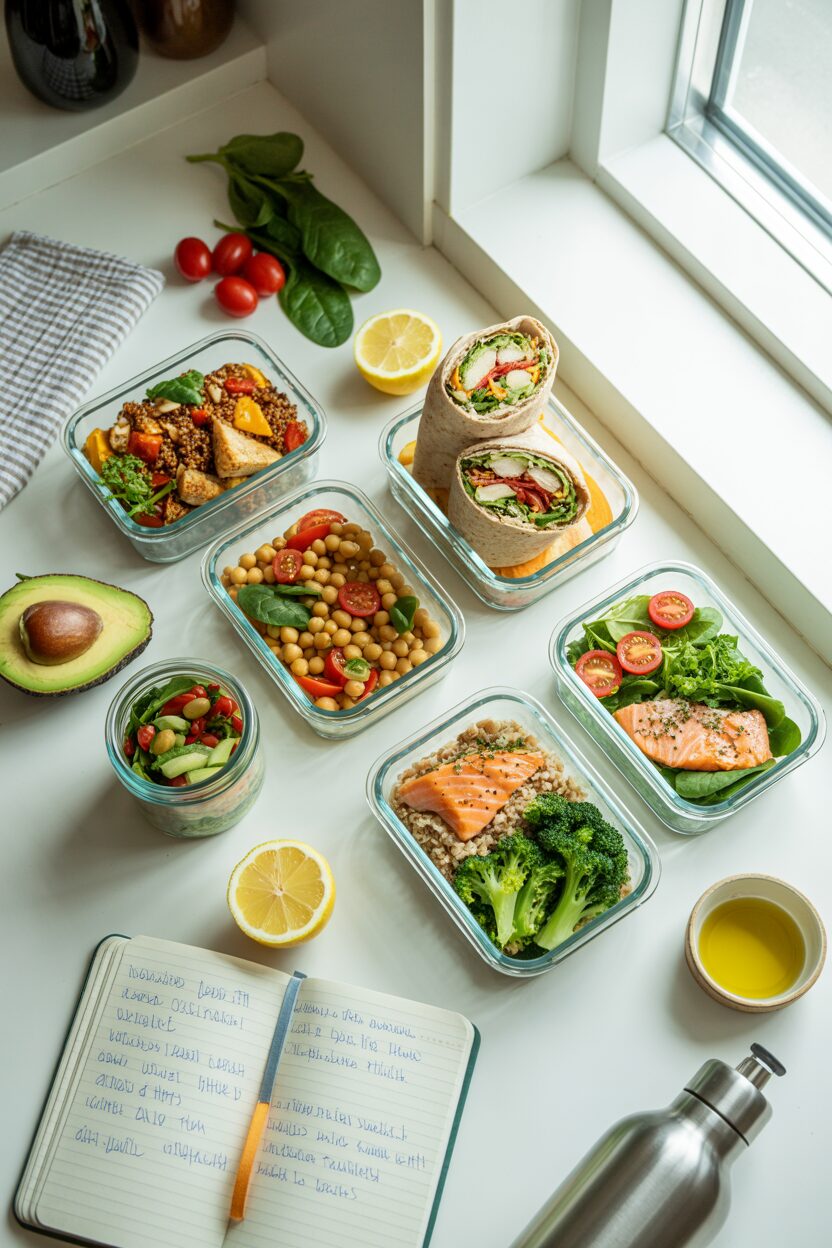
20 Heart-Healthy Lunch Ideas for Work
Work lunches are where good intentions go to die, right? You start Monday swearing you’ll eat healthy, and by Wednesday you’re ordering the same greasy takeout everyone else is getting because it’s easier than thinking.
I’ve been there. Spent years eating sad desk salads or whatever the cafeteria was serving, wondering why I felt sluggish all afternoon and my cholesterol numbers kept climbing.
These 20 lunch ideas changed that. They’re designed for real workdays—easy to prep, easy to pack, easy to eat at your desk or in the break room. And they’re actually good for your heart, not just “better than fast food” good.
Why Work Lunches Matter More Than You Think
Here’s what I didn’t realize until my doctor spelled it out: what you eat at lunch affects your afternoon energy, your evening cravings, and over time, your actual cardiovascular health. According to research from the American Heart Association, people who bring lunch from home consume significantly fewer calories, less sodium, and more nutrients than those who eat out regularly.
The problem is that “healthy lunch” feels like this impossible standard. You’re already stressed, already busy, and now you’re supposed to make elaborate meals every morning?
Nope. These lunches work because they’re simple, they travel well, and most of them you can prep in advance. No culinary degree required.
Grain Bowl Game Changers
1. Mediterranean Quinoa Bowl
Quinoa, chickpeas, cucumber, tomatoes, red onion, olives, feta, and a lemon-olive oil dressing. Pack it all in [these glass meal prep containers] and it stays fresh for days. The fiber from the quinoa and chickpeas keeps you full, and the healthy fats from the olives and olive oil support heart health.
I make a big batch of quinoa on Sunday and use it all week. Way more efficient than cooking a fresh batch every day.
2. Brown Rice Bowl with Salmon and Vegetables
Leftover baked salmon (or canned salmon in a pinch), brown rice, steamed broccoli, shredded carrots, and edamame. Drizzle with a ginger-sesame dressing. The omega-3s in salmon reduce inflammation and lower triglycerides—exactly what your heart needs. [Get Full Recipe]
Brown rice has way more fiber than white rice, which helps manage cholesterol. It’s a simple swap that makes a real difference.
3. Farro Bowl with Roasted Vegetables
Farro (an ancient grain with a nutty flavor), roasted sweet potatoes, Brussels sprouts, red onion, and a tahini dressing. Farro has even more fiber than quinoa, and it’s got this chewy texture that’s way more interesting than regular grains.
Roast the vegetables on Sunday night on [a large sheet pan]. Twenty minutes in the oven, and you’ve got lunch components for the entire week.
4. Barley and Lentil Bowl
Barley, cooked lentils, roasted cauliflower, cherry tomatoes, spinach, and a lemon-herb dressing. According to Harvard Health’s nutritional guidelines, combining grains and legumes gives you complete protein while supporting heart health.
Barley contains beta-glucan, the same soluble fiber found in oats that actively lowers cholesterol. It’s like a secret weapon in grain form.
5. Wild Rice Salad
Wild rice (technically a grass, not actually rice), dried cranberries, toasted pecans, diced apple, and a balsamic vinaigrette. It’s slightly sweet, crunchy, and filling enough to carry you through afternoon meetings.
I use [this rice cooker] for wild rice—it’s got a setting specifically for it, and you don’t have to babysit the stove.
If you’re into grain-based lunches, you’ll also want to try [these quinoa-stuffed bell peppers] or [this Mediterranean farro salad with feta]—both are crazy satisfying and pack beautifully.
Protein-Packed Salads That Actually Fill You Up
6. Grilled Chicken Caesar (Lightened Up)
Grilled chicken breast, romaine lettuce, whole wheat croutons, parmesan, and a yogurt-based Caesar dressing instead of the traditional mayo-heavy version. You get all the Caesar flavor with way less saturated fat.
The yogurt-based dressing has probiotics and protein, making this way more nutritious than regular Caesar. Plus, it doesn’t get soggy as fast in your lunch bag.
7. Tuna and White Bean Salad
Canned tuna (chunk light, not albacore—less mercury), white beans, cherry tomatoes, red onion, celery, and a lemon-herb dressing. Mix it all together and serve over greens or eat it straight.
Beans and tuna together give you both plant and animal protein, plus all that heart-healthy fiber from the beans. I keep [these tuna pouches] in my desk drawer for emergencies—no can opener needed.
8. Spinach Salad with Grilled Shrimp
Baby spinach, grilled shrimp, strawberries, walnuts, red onion, and a balsamic vinaigrette. The combination of protein from the shrimp, omega-3s from the walnuts, and antioxidants from the berries makes this seriously nutrient-dense.
Pack the dressing separately in [these small leak-proof containers]. Nothing worse than a pre-dressed salad that’s turned into mush by lunchtime.
9. Southwest Chicken Salad
Grilled chicken, romaine, black beans, corn, avocado, cherry tomatoes, and a lime-cilantro dressing. It’s basically a burrito bowl in salad form—way more vegetables, way less refined carbs.
The black beans add soluble fiber that helps lower cholesterol, and the avocado provides healthy monounsaturated fats.
10. Greek Salad with Chickpeas
Chickpeas, cucumber, tomatoes, red onion, olives, feta, and a lemon-oregano dressing. The chickpeas make this filling enough to be a complete meal, not just a side salad. [Get Full Recipe]
I use [this salad chopper] to dice everything into uniform pieces. Makes eating at your desk way less awkward—no giant lettuce leaves attacking your face.
Wrap and Sandwich Solutions
11. Turkey and Hummus Wrap
Whole wheat wrap, layer of hummus, sliced turkey breast (the real stuff, not processed deli meat), lettuce, tomato, cucumber, and shredded carrots. The hummus adds protein and healthy fats while keeping everything moist.
Roll it tight and slice it in half. Wrap each half in [parchment paper] so it holds together in your lunch bag.
12. Veggie and Avocado Wrap
Whole wheat wrap, mashed avocado, roasted red peppers, spinach, cucumber, shredded carrots, and a drizzle of balsamic. It’s completely plant-based but substantial enough to keep you full.
The avocado replaces cheese or mayo, giving you healthy fats instead of saturated fat. Your cholesterol levels will thank you.
13. Grilled Chicken Pita Pocket
Whole wheat pita stuffed with grilled chicken, lettuce, tomato, cucumber, red onion, and tzatziki sauce (yogurt-based, not oil-based). The yogurt in the tzatziki adds protein and keeps everything creamy without excess fat.
Make the tzatziki yourself—Greek yogurt, cucumber, garlic, lemon, dill. Takes five minutes and tastes way better than store-bought.
14. Egg Salad on Whole Grain
Hard-boiled eggs mashed with a tiny bit of Greek yogurt (instead of mayo), Dijon mustard, celery, and dill. Spread on whole grain bread with lettuce and tomato.
Eggs get a bad rap for cholesterol, but dietary cholesterol doesn’t affect blood cholesterol as much as saturated fat does. FYI, the real culprit is the mayo people usually drown egg salad in.
15. Mediterranean Tuna Wrap
Canned tuna mixed with diced tomatoes, olives, capers, red onion, and a splash of olive oil. Wrap it in a whole wheat tortilla with spinach. It’s like a tuna melt without the excessive cheese and bread.
The olives and capers add that salty, briny flavor so you don’t need to add extra salt.
For more wrap inspiration, check out [these turkey lettuce wraps with Asian slaw] or [this grilled vegetable and hummus wrap]—both are portable and perfectly heart-healthy.
Soup and Stew Situations
16. Lentil and Vegetable Soup
Lentils, carrots, celery, tomatoes, onions, garlic, and whatever spices you like. Make a big batch, portion it into [these leak-proof thermos containers], and you’ve got hot lunch all week.
Lentils cook fast (20-25 minutes for red, 30-35 for brown or green), making them perfect for weeknight meal prep. Plus, they’re loaded with soluble fiber that actively lowers cholesterol.
17. Turkey and White Bean Chili
Ground turkey, white beans, diced tomatoes, peppers, onions, and chili spices. It’s hearty, warming, and way lighter than traditional beef chili.
The white beans have resistant starch, which feeds good gut bacteria that help regulate cholesterol production. Science is wild. [Get Full Recipe]
18. Vegetable Minestrone
Beans, pasta (whole wheat), tomatoes, zucchini, carrots, celery, spinach, and Italian herbs. It’s basically a complete meal in liquid form.
Make it on Sunday, and it gets better each day as the flavors meld together. I actually prefer day-three minestrone to fresh minestrone.
19. Chicken and Barley Soup
Chicken breast, barley, carrots, celery, onions, and herbs simmered in low-sodium broth. The barley adds that cholesterol-lowering beta-glucan while making the soup way more filling than regular chicken noodle.
[This 8-quart stockpot] is perfect for big-batch soups. Make enough for lunches plus some to freeze for those weeks when life gets chaotic.
20. Black Bean and Sweet Potato Soup
Black beans, sweet potatoes, tomatoes, onions, garlic, cumin, and a touch of smoked paprika. Blend half of it for creaminess, leave half chunky for texture.
Sweet potatoes bring natural sweetness that balances the earthiness of the black beans. Plus, they’re loaded with potassium, which helps counteract sodium’s effects on blood pressure.
The Sunday Prep Strategy
Let’s be real—these lunches only work if you actually prep them. And prepping only happens if it’s not a massive production. Here’s my system:
Pick 2-3 lunch types for the week: Maybe grain bowls Monday-Tuesday, wraps Wednesday-Thursday, soup Friday. Variety without complexity.
Cook grains and proteins on Sunday: One hour of cooking gives you components for the entire week.
Prep vegetables once: Chop everything you’ll need for the week. Store in [these glass containers with vents] so they stay fresh.
Pack lunches Sunday night or the night before: Morning you is tired and will cut corners. Evening you still has energy to do it right.
IMO, investing 90 minutes on Sunday saves you at least 30 minutes every single weekday. That’s 2.5 hours back in your life, plus you’re actually eating well.
The Tools That Make Work Lunches Actually Happen
You don’t need a ton of gear, but these few things make packing lunch so much easier:
[Glass meal prep containers with dividers]: Keep components separate, microwave-safe, dishwasher-safe, don’t stain or hold smells.
[Insulated lunch bag]: Keeps cold food cold, especially important if you’re bringing salads or anything with dairy.
[Thermos for hot foods]: Soup, chili, stews—they stay hot for hours without needing a microwave.
[Reusable utensils and napkins]: Stop using disposable stuff. It’s wasteful, and honestly, real forks work better anyway.
[Ice packs]: Essential if your office fridge is sketchy or nonexistent.
These tools pay for themselves in like two weeks of not buying lunch. Plus, they make the whole process smoother, which means you’re more likely to actually do it.
When You Forget to Prep
Some weeks, meal prep doesn’t happen. Life gets in the way, and suddenly it’s Monday morning and you’ve got nothing ready. Here’s your backup plan:
Rotisserie chicken hack: Buy a rotisserie chicken, shred it, mix with whatever vegetables and grains you can grab. Instant lunch components.
Canned fish is your friend: Tuna, salmon, sardines—all shelf-stable, all packed with omega-3s. Mix with beans, put on salad, stuff in a pita.
Frozen vegetables: Microwave a bag, add to rice or quinoa, top with whatever protein you’ve got. It’s not fancy, but it’s way better than takeout.
Keep emergency supplies at work: Packets of oatmeal, nut butter, whole grain crackers, canned soup (low-sodium). Something is better than ordering pizza with your coworkers.
The goal isn’t perfection. It’s making the healthy choice easier than the unhealthy one most of the time.
Navigating the Office Lunch Culture
Let’s talk about the elephant in the break room: everyone else is ordering out, and you’re microwaving your carefully prepped lunch like some kind of overachiever. Here’s how to handle it:
Don’t evangelize: Nobody likes the person who lectures about their food choices. Just eat your lunch and move on.
Join coworkers sometimes: Going out for lunch once a week won’t destroy your progress. Order smart (grilled not fried, vegetables instead of fries, dressing on the side), and enjoy the social time.
Find allies: There’s probably someone else trying to eat better. Meal prep buddy makes the whole thing more fun.
Be prepared for comments: “Is that all you’re eating?” “You’re so good, I could never do that.” Just smile and change the subject. Your food choices aren’t up for debate.
The Afternoon Energy Factor
One of the best things about these lunches is the afternoon energy. You know that 2pm crash where you can barely keep your eyes open? That’s from eating refined carbs, excess sodium, and way too much food at lunch.
These lunches are designed to keep your blood sugar stable and your energy consistent. More fiber, more protein, more nutrients—less crash, less brain fog, less afternoon vending machine desperation.
It takes about a week to notice the difference, but once you do, going back to crappy takeout feels terrible. Your body gets used to feeling good and starts demanding it.
Related Recipes You’ll Love
Looking for more work lunch options? Here are some recipes that pack beautifully and taste great even hours later:
More Portable Lunches:
- [Mason jar salads with layered ingredients]
- [Cold sesame noodle bowls with vegetables]
Meal Prep Champions:
- [Sheet pan chicken with roasted vegetables]
- [Turkey meatballs with marinara]
Soup and Stew Options:
- [Moroccan spiced lentil stew]
- [Vegetable and barley soup]
The Bottom Line
Work lunches don’t have to be complicated, expensive, or time-consuming to be heart-healthy. These 20 ideas prove you can eat well at work without spending your entire weekend cooking or your entire paycheck on fancy ingredients.
Start simple. Pick three lunches from this list, make them this week, and see how you feel. Better energy, better focus, better health—all from bringing your own lunch instead of ordering out.
Your heart, your wallet, and your 2pm self will all thank you. And honestly, once you get into a rhythm, packing lunch becomes automatic. It’s just what you do on Sunday nights, same as doing laundry or planning your week.
The hard part isn’t the cooking or the packing. It’s deciding that your health is worth 90 minutes of prep on Sunday. Once you make that decision, everything else is just logistics.