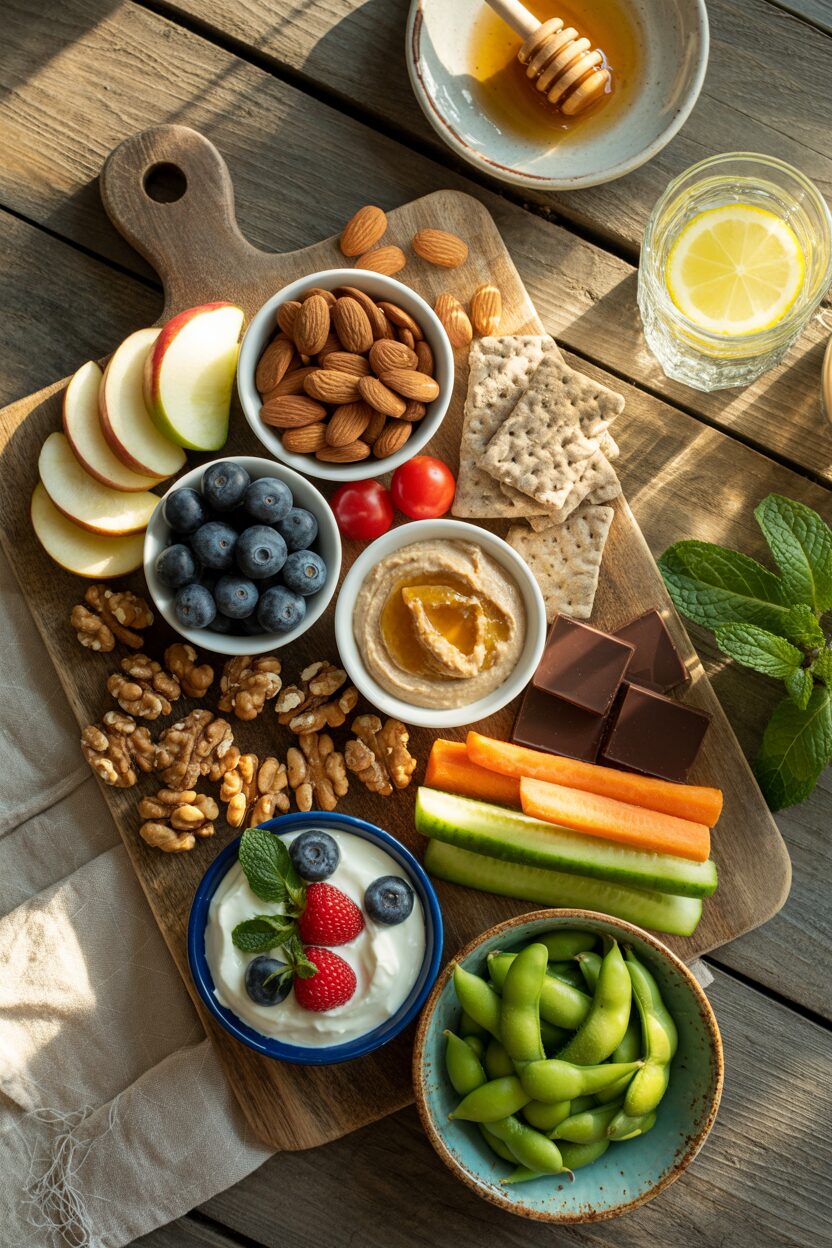
18 Heart-Healthy Snacks to Eat Daily
Snacking gets a bad rap, but here’s the truth: the right snacks can actually help your heart health. The problem is that most people reach for chips, cookies, or whatever’s in the vending machine when hunger strikes between meals.
I used to be that person. Three o’clock would roll around, and I’d demolish a bag of pretzels or a candy bar, feel terrible an hour later, and repeat the cycle the next day. My cholesterol was creeping up, my energy was all over the place, and honestly, I felt like crap.
These 18 snacks changed that. They’re designed to stabilize your blood sugar, support your cardiovascular system, and actually keep you satisfied until your next meal. No guilt, no crash, no wondering if you’re slowly destroying your arteries.
Why Daily Snacking Can Actually Help Your Heart
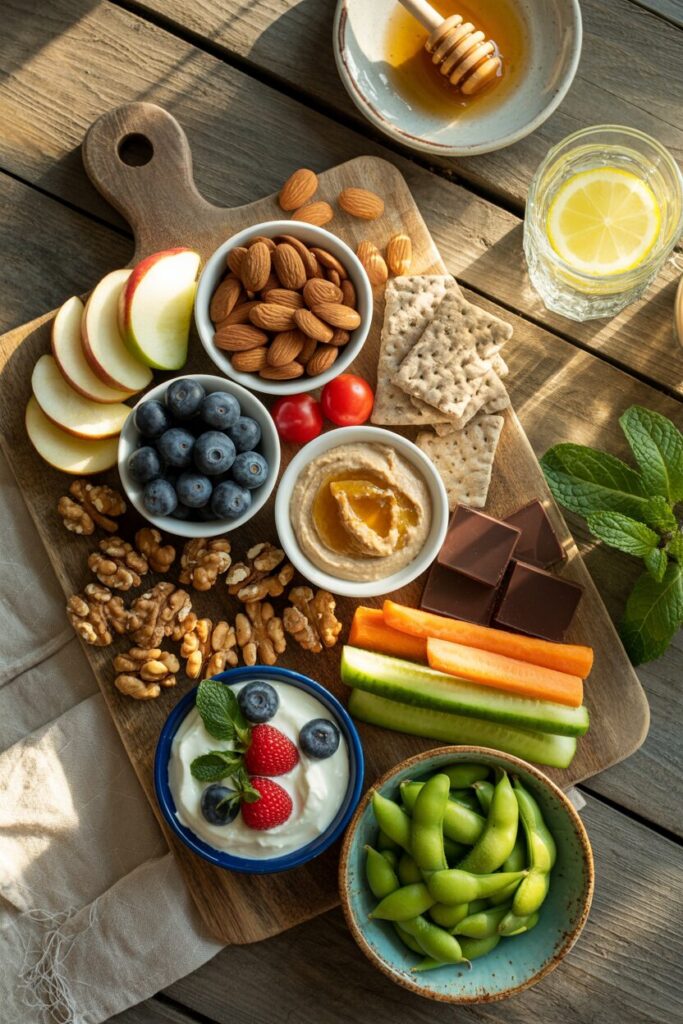
Before you think I’ve lost my mind suggesting daily snacking, hear me out. According to research from the American Heart Association, eating smaller, more frequent meals throughout the day can help regulate blood sugar, reduce cholesterol, and prevent the kind of ravenous hunger that leads to terrible food choices.
The key is what you’re snacking on and when. Random grazing on junk all day? Bad for your heart. Strategic, nutrient-dense snacks that bridge the gap between meals? Actually beneficial.
These snacks all share a few critical features: fiber to keep you full, healthy fats to support cardiovascular function, protein to stabilize blood sugar, and minimal added sugar or sodium.
Nuts and Seeds (The MVPs)
1. Raw Almonds
An ounce of raw almonds (about 23 nuts) gives you healthy monounsaturated fats, vitamin E, magnesium, and fiber. They’re probably the most heart-healthy nut you can eat, and they travel well in basically any bag or pocket.
I portion them out in [these small containers] on Sunday—one ounce each, so I’m not tempted to eat half a jar in one sitting. Portion control matters when you’re dealing with calorie-dense foods.
The vitamin E in almonds acts as an antioxidant, protecting your arteries from oxidative damage. Plus, studies show almonds can lower LDL cholesterol by up to 5%.
2. Walnuts
Walnuts have more omega-3 fatty acids than any other nut. A small handful (about 14 halves) gives you a solid dose of ALA, the plant-based omega-3 that reduces inflammation and supports heart function.
They taste slightly bitter compared to almonds, which I actually like—means you can’t mindlessly eat an entire bag. Your body makes you slow down and pay attention.
3. Pumpkin Seeds
One ounce of pumpkin seeds packs magnesium, zinc, and healthy fats. Magnesium helps regulate blood pressure and heart rhythm—something like 300-400mg is what you need daily, and an ounce of pumpkin seeds gives you about 150mg.
I buy them raw and roast them myself in [this small toaster oven] with a tiny bit of olive oil and smoked paprika. Way better than the pre-roasted ones that are loaded with salt. [Get Full Recipe]
4. Chia Seed Pudding
Mix three tablespoons of chia seeds with a cup of unsweetened almond milk, let it sit overnight, add a tiny drizzle of honey and some berries. The chia seeds expand into this pudding-like texture that’s weirdly satisfying.
Chia seeds have both omega-3s and soluble fiber—the double whammy for lowering cholesterol and reducing inflammation. Plus, they’re so filling that you won’t be hungry again for hours.
If you’re into seed-based snacks, you’ll also love [these homemade energy balls with chia and dates] or [this flaxseed crackers with rosemary]—both are crazy nutrient-dense and actually taste good.
Fresh Fruit Options
5. Apple Slices with Almond Butter
One medium apple sliced up with one tablespoon of almond butter gives you fiber, healthy fats, and just enough natural sweetness to satisfy cravings. Apples have pectin, a soluble fiber that binds to cholesterol and helps eliminate it.
Use [this apple slicer] if you haven’t already—uniform slices in one push, and you’re way more likely to actually eat the apple instead of letting it turn brown in your bag.
Almond butter has slightly more fiber and less saturated fat than peanut butter, making it marginally better for heart health. Though honestly, natural peanut butter works fine too.
6. Fresh Berries
Half a cup of blueberries, strawberries, or raspberries gives you antioxidants, fiber, and vitamin C, all for about 40-50 calories. Berries are among the highest antioxidant foods you can eat, and those antioxidants protect your blood vessels from damage.
According to research published in the Journal of Nutrition, eating berries regularly can improve cholesterol levels and lower blood pressure.
I buy frozen berries in bulk and thaw a small container each night for the next day. Cheaper than fresh, available year-round, just as nutritious.
7. Banana with Peanut Butter
One small banana with a tablespoon of natural peanut butter is my go-to when I need something substantial. The combination of simple carbs from the banana and healthy fats from the peanut butter keeps your energy stable.
Bananas get unfairly criticized for being “high sugar,” but they’re also high in potassium, which helps counteract sodium’s effects on blood pressure. One medium banana has about 400mg of potassium.
8. Orange Slices
One medium orange gives you vitamin C, fiber, and flavonoids that support vascular health. Plus, the act of peeling and eating an orange makes you slow down—you can’t inhale it like you can a bag of chips.
The white pith on orange segments has most of the fiber and flavonoids, so don’t be too meticulous about removing it. It’s slightly bitter, but that’s where the good stuff is.
Vegetable-Based Snacks
9. Carrot Sticks with Hummus
Baby carrots or carrot sticks with a quarter cup of hummus gives you fiber from both the carrots and chickpeas, plus healthy fats from the tahini in the hummus. It’s crunchy, satisfying, and actually filling.
I make my own hummus in [this small food processor]—chickpeas, tahini, lemon juice, garlic, olive oil. Takes five minutes and tastes way better than store-bought.
The beta-carotene in carrots converts to vitamin A in your body, supporting everything from vision to immune function. Plus, it’s an antioxidant that reduces inflammation.
10. Cherry Tomatoes with Mozzarella
A handful of cherry tomatoes with a few small mozzarella balls (the bocconcini kind) gives you lycopene, protein, and calcium. Drizzle with balsamic vinegar and a tiny bit of olive oil if you’re feeling fancy.
Tomatoes have lycopene, an antioxidant that’s been linked to lower LDL cholesterol and reduced cardiovascular disease risk. Cooked tomatoes have more available lycopene, but raw tomatoes are still beneficial.
Go for part-skim mozzarella to keep the saturated fat lower. You still get the creamy texture and protein without as much of the stuff that raises cholesterol.
11. Celery with Almond Butter
Celery sticks with a tablespoon of almond butter scattered with a few raisins (if you’re into the “ants on a log” nostalgia). Celery is mostly water and fiber, making it super low-calorie, and the almond butter adds substance.
Some people hate celery’s texture. If that’s you, try cucumber sticks instead—same concept, slightly different flavor and crunch.
12. Edamame
A cup of steamed edamame (still in the pods) with a sprinkle of sea salt gives you plant-based protein, fiber, and phytoestrogens that may help lower cholesterol. Popping the beans out of the pods is oddly satisfying and makes you eat slower.
FYI, soy protein has been shown to modestly reduce LDL cholesterol when it replaces animal protein in your diet. We’re talking 3-5%, which isn’t huge but adds up over time.
I steam them in [this microwave steamer]—five minutes and they’re ready. Keep a bag in your freezer always.
For more vegetable-forward snacks, check out [these roasted chickpeas with spices] or [this kale chips with nutritional yeast]—both are way more interesting than raw vegetables but just as healthy.
Dairy and Dairy Alternatives
13. Greek Yogurt with Berries
Half a cup of nonfat Greek yogurt with a handful of berries gives you protein, probiotics, calcium, and antioxidants. Greek yogurt has way more protein than regular yogurt—keeps you full longer and supports muscle maintenance.
Choose plain Greek yogurt and add your own fruit. Flavored yogurts are sugar bombs disguised as health food. The berry flavor comes from actual berries, and you control how much sweetness you add.
14. Cottage Cheese with Pineapple
Half a cup of low-fat cottage cheese with fresh pineapple chunks gives you slow-digesting casein protein, calcium, and vitamin C. The pineapple adds natural sweetness and enzymes that help with digestion.
I know cottage cheese has haters. The texture is polarizing. But the protein content is legitimately impressive—14 grams per half cup for most brands.
Whole Grain Options
15. Whole Grain Crackers with Avocado
Five whole grain crackers topped with a quarter of an avocado, mashed and spread on top. Add a squeeze of lime and a sprinkle of everything bagel seasoning if you want to get fancy.
Whole grain crackers bring fiber and B vitamins, avocado brings healthy monounsaturated fats. Together, they create this satisfying, almost meal-like snack.
Look for crackers with at least 3 grams of fiber per serving and minimal added sodium. The ingredient list should be short—whole grains, seeds, salt, maybe some olive oil.
16. Air-Popped Popcorn
Three cups of air-popped popcorn (about 100 calories) with a tiny drizzle of olive oil and some nutritional yeast or spices. It’s a whole grain snack that’s high in fiber and feels like you’re eating way more than you actually are.
I make mine in [this air popper]—no oil needed for popping, and you control exactly what goes on it afterward. Movie theater popcorn has like 600 calories and a day’s worth of sodium. This has 100 calories and tastes better anyway. [Get Full Recipe]
Dark Chocolate (Yes, Really)
17. Dark Chocolate (70% Cacao or Higher)
One or two squares of dark chocolate (about 30-40 calories) gives you flavonoids that improve blood flow and lower blood pressure. The key word is “dark”—milk chocolate doesn’t have enough cacao to provide the same benefits.
I keep [a bar of 85% cacao] in the pantry. It’s bitter enough that you can’t inhale the whole thing, which is probably by design. One or two squares after lunch satisfies my sweet tooth completely.
The flavonoids in dark chocolate help your blood vessels relax and improve circulation. Just keep it to 1-2 ounces per day max—it’s still calorie-dense even if it’s good for you.
Drinks That Count as Snacks
18. Green Tea with Lemon
Okay, this isn’t technically food, but green tea is such a powerful heart-healthy option that it deserves a spot on this list. The catechins in green tea improve cholesterol levels and support cardiovascular health.
Add a squeeze of lemon—the vitamin C helps your body absorb the catechins more effectively. Don’t add sugar or honey. The whole point is the compounds in the tea, and sweeteners just dilute the benefits.
I brew mine in [this glass teapot] and drink it throughout the afternoon. Gives me a small caffeine boost without the jitters from coffee, and the ritual of brewing tea makes me actually take a break instead of just stress-eating at my desk.
The Strategic Snacking Schedule
Here’s what finally made snacking work for me: having a schedule. Not a rigid “you must eat at exactly 10:17am” thing, but a general framework that prevents both constant grazing and getting so hungry you make terrible decisions.
Mid-morning (10-11am): Something light—berries, an apple, a handful of nuts. Just enough to bridge breakfast and lunch.
Mid-afternoon (3-4pm): Something more substantial—veggies with hummus, Greek yogurt, or a nut butter situation. This is when most people crash and reach for junk.
Post-dinner (optional): If you’re genuinely hungry, have something small like dark chocolate or herbal tea. Most “nighttime snacking” is boredom or stress, not actual hunger.
The goal is preventing that ravenous hunger that makes you order pizza or eat an entire bag of chips. IMO, strategic snacking is way easier than white-knuckling it between three meals.
Prep Makes It Happen
These snacks only work if they’re ready to eat when hunger hits. If you have to chop vegetables or portion out nuts while you’re already starving, you’re going to grab whatever’s fastest instead.
Sunday prep session (30 minutes max):
- Portion nuts and seeds into individual containers
- Wash and chop vegetables, store in containers
- Make a batch of hummus or chia pudding
- Hard-boil eggs if that’s your thing
- Wash berries and portion into containers
[These glass containers with snap-on lids] are perfect for snack prep—you can see what’s in them, they’re microwave-safe, and they don’t hold smells or stains like plastic.
Having everything ready means the healthy choice is also the easy choice. And the easy choice is the one you’ll actually make when you’re tired and hungry.
The Portion Control Reality
Here’s the uncomfortable truth: even heart-healthy snacks can derail your goals if you eat too much. Nuts are great for you, but a whole bag of almonds is 800+ calories. Hummus is nutritious, but eating it straight from the container with an entire bag of pita chips is not the move.
This is why I’m obsessed with pre-portioning. It removes the decision-making when you’re snacking. One container equals one snack. Done.
[This kitchen scale] helps too—weigh out an ounce of nuts once so you know what it looks like, then you can eyeball portions later. Most people drastically underestimate how much they’re eating, especially with calorie-dense foods.
When Snacks Aren’t the Answer
Sometimes what feels like hunger is actually thirst, boredom, stress, or just habit. Before you reach for a snack, drink a glass of water and wait 10 minutes. If you’re still hungry, eat. If not, you just saved yourself from mindless calories.
Also, if you’re genuinely hungry less than an hour after a meal, your meals probably need work. More protein, more fiber, fewer refined carbs. Snacks should bridge gaps between meals, not compensate for inadequate meals.
Eating Out Survival
When you’re stuck at work or traveling and forgot your prepped snacks, you need a backup plan. Here’s what I look for:
At convenience stores: Fresh fruit, unsalted nuts (usually near the pharmacy section), string cheese, Greek yogurt cups.
At coffee shops: Plain oatmeal, fresh fruit cups, nuts if they have them. Skip the pastries and sugary drinks.
At airports: This is harder. Look for fresh fruit, nuts, or veggie cups with hummus. Worst case, a plain bagel or pretzels beats a candy bar.
In vending machines: Usually terrible options, but nuts, pretzels (not ideal but not the worst), or granola bars work in a pinch. Read the label—some granola bars are basically candy.
The Satisfaction Factor
Here’s why these snacks work better than chips or cookies: they actually satisfy you. Protein and fiber trigger satiety hormones that tell your brain you’re full. Sugar and refined carbs don’t—they create this blood sugar spike and crash that leaves you hungrier than before.
I used to eat a 200-calorie granola bar and be hungry again in 30 minutes. Now I eat 200 calories of Greek yogurt with berries and I’m good for 3-4 hours. Same calories, completely different effect on hunger and energy.
Your body responds to nutrients, not just calories. Feed it actual nutrition, and it stops sending constant hunger signals.
Related Recipes You’ll Love
Looking for more heart-healthy snack inspiration? Here are some recipes that keep nutrition high and prep time low:
More Portable Snacks:
- [Homemade trail mix with dark chocolate and seeds]
- [No-bake energy bites with oats and nut butter]
Savory Options:
- [Spiced roasted chickpeas]
- [Veggie pinwheels with cream cheese and turkey]
Sweet Treats:
- [Frozen yogurt bark with berries]
- [Baked apple chips with cinnamon]
The Bottom Line
Daily snacking isn’t about grazing constantly or eating more food overall. It’s about strategic, nutrient-dense choices that support your heart health, stabilize your energy, and prevent the kind of desperate hunger that leads to terrible decisions.
These 18 snacks work because they combine protein, fiber, and healthy fats in ways that actually satisfy you. They’re not “diet food” that leaves you feeling deprived—they’re real food that happens to be good for your cardiovascular system.
Start with 5-6 that sound appealing. Prep them on Sunday. Keep them accessible. Notice how you feel—energy levels, hunger patterns, cravings. Once you realize that eating this way feels better than the alternative, it stops being a chore and starts being just what you do.
Your heart will thank you. Your 3pm energy levels will thank you. And honestly, your taste buds will thank you too—real food tastes better than processed junk once you give them a chance to readjust.