18 Heart-Healthy Dinner Ideas for Seniors
Let’s get real for a second—when you’re cooking for yourself or an aging parent, heart health shouldn’t feel like some impossible mission that requires a culinary degree and a pantry full of ingredients you can’t pronounce. I’ve spent years figuring out what actually works for seniors who want to eat well without turning dinner into a second job. And honestly? The best heart-healthy dinners are the ones you’ll actually make.
You know what drives me nuts? Those articles that tell you to completely overhaul your life overnight. Yeah, right. That’s not how real people cook. What I’ve found is that small, consistent changes make the biggest difference—especially when building heart-healthy eating patterns that stick for the long haul.

Why Heart Health Matters More as We Age
Here’s something most people don’t realize: your cardiovascular needs change as you get older, and that’s totally normal. Your metabolism slows down, your body processes nutrients differently, and suddenly those dinners that worked fine in your 40s might not cut it anymore.
The American Heart Association’s latest dietary guidance makes it pretty clear—what you eat has a massive impact on cardiovascular health, especially for older adults. We’re talking about potentially reducing your risk of heart disease by up to 28% just by sticking to quality food choices. That’s not some magic pill; that’s just smart eating.
But let me be clear: this isn’t about deprivation. I’m not gonna tell you to eat nothing but steamed broccoli and plain chicken breast for the rest of your life. That’s miserable, and you won’t stick with it anyway.
What Makes a Dinner Actually Heart-Healthy?
Before we get into the recipes, you need to understand what we’re working with here. A heart-healthy dinner for seniors hits a few key markers, and once you know them, you can basically create your own combinations.
Lean proteins are your foundation. Think fish, poultry, legumes, and the occasional lean cut of red meat if that’s your thing. Omega-3 fatty acids from fish are particularly beneficial—they help reduce triglycerides and support overall cardiovascular function.
Plenty of vegetables should take up at least half your plate. I’m not being dramatic here; the research backs this up. Load up on leafy greens, cruciferous veggies, and colorful options like bell peppers and tomatoes.
Whole grains instead of refined carbs make a real difference. Brown rice, quinoa, farro, whole wheat pasta—these keep your blood sugar stable and provide fiber that your heart loves. For more guidance on incorporating these into daily meals, check out these 17 heart-healthy foods to eat every week.
Healthy fats are non-negotiable. Olive oil, avocados, nuts, and seeds provide the good fats your body actually needs. Just don’t go overboard—a little goes a long way.
Prep your vegetables on Sunday night and store them in clear glass containers. You’ll actually use them during the week when they’re already washed and chopped.
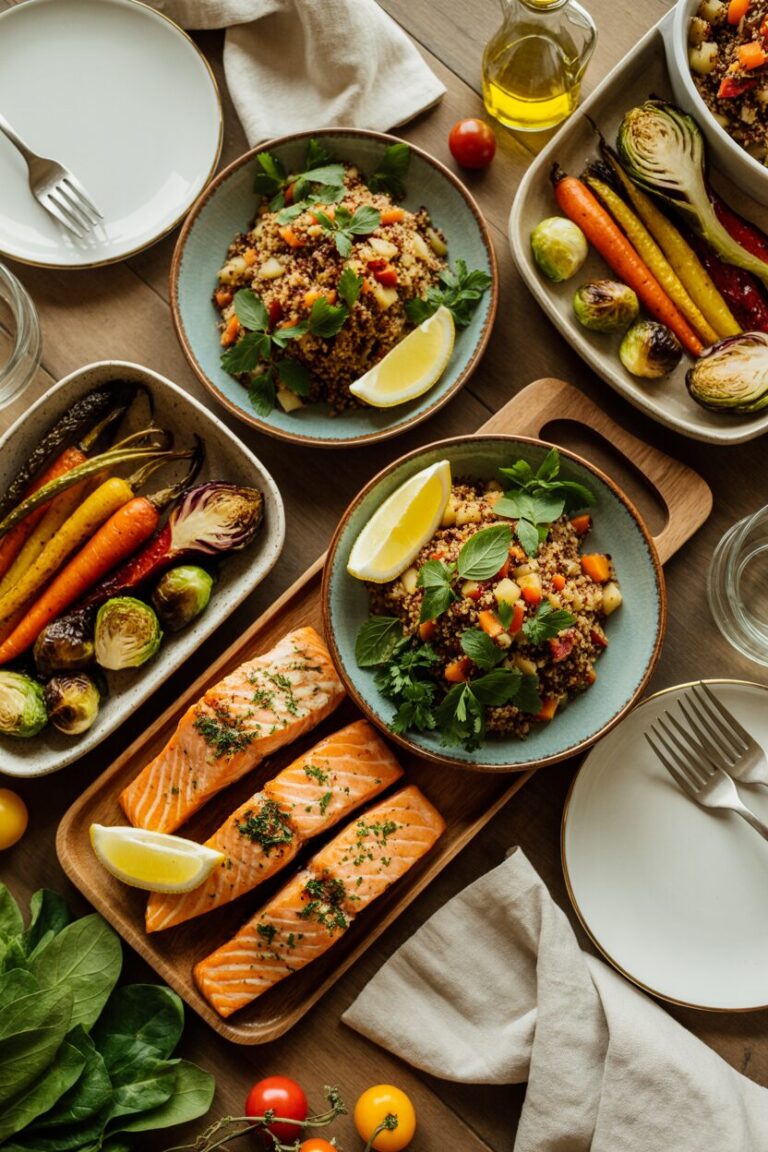
1. Mediterranean Baked Salmon with Herb Quinoa
This is my go-to when I want something that tastes fancy but takes minimal effort. Salmon is loaded with those omega-3s I mentioned earlier, and the Mediterranean-style herbs bring serious flavor without any need for heavy sauces.
Season your salmon with lemon, garlic, and fresh dill. Bake it at 400°F for about 12-15 minutes while your quinoa cooks. Mix the quinoa with cherry tomatoes, cucumber, and a light olive oil dressing. The whole thing comes together in under 30 minutes, and honestly, it’s restaurant-quality good.
I use this rimmed baking sheet for salmon because nothing sticks, and cleanup is basically nonexistent. For similar Mediterranean-inspired options, you’ll love these 21 heart-healthy Mediterranean-style dinners.
2. Turkey and Vegetable Stir-Fry
Stir-fries are criminally underrated for seniors. They’re quick, flexible, and you can pack in a ton of vegetables without it feeling like you’re eating rabbit food.
Use ground turkey or thinly sliced turkey breast, whatever’s easier for you to chew and digest. Load it up with bell peppers, snap peas, broccoli, and carrots. Season with low-sodium soy sauce, fresh ginger, and garlic. Serve over brown rice or cauliflower rice if you’re watching carbs.
The key here is high heat and quick cooking. I prefer using a good carbon steel wok because it distributes heat evenly and gives you that authentic stir-fry texture.
Premium Non-Stick Sheet Pan Set
This is hands-down my most-used kitchen item. Perfect for roasting vegetables, baking salmon, or sheet pan dinners. Nothing sticks, cleans up in seconds, and doesn’t warp even at high temps. A total game-changer for one-pan meals.
- Dishwasher safe & PFOA-free
- Comes in 3 sizes for any meal
- Won’t warp at 450°F+
Image Placeholder
3. Lentil and Sweet Potato Curry
Plant-based proteins deserve more credit, especially for heart health. Lentils are packed with fiber and protein, plus they’re incredibly budget-friendly.
This curry is warming, satisfying, and freezes beautifully—make a big batch and you’ve got dinners sorted for days. Sauté onions, garlic, and curry powder, add diced sweet potatoes and red lentils, then simmer in low-sodium vegetable broth with coconut milk.
The sweetness from the potatoes balances the curry spices perfectly. Serve with whole grain naan or brown basmati rice. Get Full Recipe.
Looking for more plant-forward options? These 25 easy heart-healthy meals for beginners include plenty of vegetarian choices that taste amazing.
Buy pre-chopped butternut squash or sweet potato from the produce section. It costs a bit more but saves your wrists and speeds up cooking time significantly.
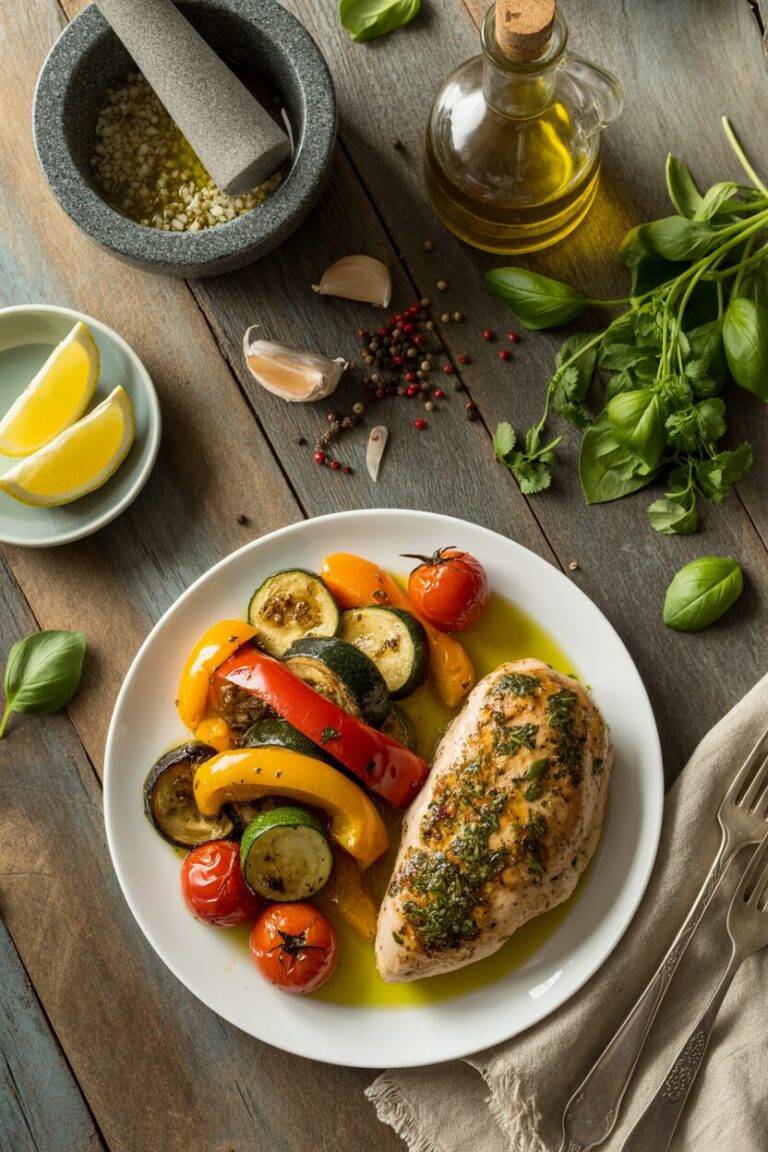
4. Herb-Crusted Chicken Breast with Roasted Vegetables
Sometimes you just want classic comfort food, and this delivers without the guilt. Chicken breast gets a bad rap for being boring, but proper seasoning fixes that problem real quick.
Coat your chicken in a mixture of whole wheat breadcrumbs, dried Italian herbs, and a touch of parmesan. Bake alongside Brussels sprouts, carrots, and red onion tossed in olive oil. Everything roasts together on one pan, which means less cleanup.
The vegetables get crispy edges while the chicken stays juicy. I can’t stress enough how much easier this is with a quality sheet pan that doesn’t warp in high heat. Check out more simple options in these 14 heart-healthy one-pan dinners.
5. Grilled Shrimp Tacos with Cabbage Slaw
Who says heart-healthy eating can’t be fun? These tacos are light, fresh, and seriously satisfying without being heavy.
Marinate shrimp in lime juice, cumin, and smoked paprika. Grill them up quick—they only need about 2-3 minutes per side. Serve in whole wheat tortillas with a crunchy cabbage slaw dressed in Greek yogurt and lime.
The crunch from the slaw is what makes these special. Add some diced avocado and you’ve got healthy fats and fiber working together. Get Full Recipe.
6. Baked Cod with Tomato and Olive Relish
Cod is one of those underrated fish that’s mild enough for picky eaters but still packs nutritional benefits. It’s also usually more affordable than salmon, which matters when you’re on a fixed income.
Top your cod fillets with a quick relish of diced tomatoes, Kalamata olives, capers, and fresh basil. Drizzle with olive oil and bake at 375°F for about 15 minutes. The fish flakes apart beautifully and the relish adds bright, briny flavor.
Serve with a side of whole grain couscous or roasted asparagus. For more fish-forward meals that support artery health, explore these 24 heart-healthy foods that support artery health.
7. Vegetable-Packed Minestrone Soup
Soup gets overlooked as a dinner option, but a hearty minestrone is basically a complete meal in a bowl. Plus, it’s incredibly forgiving—you can throw in whatever vegetables you have hanging around.
Start with a base of onions, celery, and carrots in olive oil. Add low-sodium vegetable broth, canned tomatoes, white beans, and small pasta like ditalini. Throw in zucchini, green beans, and spinach near the end. Season with Italian herbs and a parmesan rind if you have one.
This is the kind of meal that tastes even better the next day. I make it in my favorite Dutch oven and it feeds me for days. More warming options in these 12 heart-healthy soups for cold days.
Speaking of soups and comfort meals, if you want recipes that feel indulgent without the cardiovascular stress, these 10 heart-healthy comfort foods hit the spot every time.
8. Turkey Meatballs with Whole Wheat Spaghetti
Comfort food doesn’t have to wreck your cholesterol numbers. These turkey meatballs are lighter than traditional beef versions but just as satisfying.
Mix ground turkey with whole wheat breadcrumbs, an egg, minced garlic, and Italian seasoning. Bake them in the oven instead of frying—way less mess and actually healthier. Serve over whole wheat spaghetti with a simple marinara sauce loaded with extra vegetables.
The trick to keeping turkey meatballs moist is not overworking the meat and adding just a touch of olive oil to the mixture. Get Full Recipe.
9. Stuffed Bell Peppers with Brown Rice and Black Beans
These are meal prep gold. Make a batch on Sunday and you’ve got grab-and-go dinners that actually taste fresh.
Halve bell peppers and fill them with a mixture of cooked brown rice, black beans, corn, diced tomatoes, and Mexican spices. Top with a sprinkle of reduced-fat cheese if you want, then bake until the peppers are tender.
They reheat beautifully in the microwave, and each pepper half is basically a perfectly portioned meal. The fiber from the beans and rice keeps you full without that heavy, sluggish feeling.
10. Teriyaki Salmon with Edamame Rice
This Asian-inspired dish brings major flavor while keeping sodium in check—you just have to be smart about your teriyaki sauce.
Make your own quick teriyaki with low-sodium soy sauce, honey, rice vinegar, grated ginger, and garlic. Brush it on salmon fillets and broil for about 6-8 minutes. Meanwhile, mix cooked brown rice with steamed edamame and a splash of sesame oil.
The edamame adds plant protein and a nice pop of color. Garnish with sliced green onions and sesame seeds. I use this silicone basting brush for the teriyaki—way easier to clean than those old-school bristle ones.
Freeze individual salmon portions in marinade using these flat freezer bags. They thaw quickly and the fish absorbs even more flavor.
11. Chickpea and Spinach Sauté
Plant-based meals shouldn’t be complicated, and this proves it. You literally need about six ingredients and 20 minutes.
Sauté canned chickpeas (rinsed and dried) in olive oil until slightly crispy. Add tons of fresh spinach, garlic, and a squeeze of lemon. Season with cumin and red pepper flakes. The spinach wilts down to almost nothing, but it’s packed with nutrients.
Serve over quinoa or with whole grain pita bread. The chickpeas provide protein and fiber while the spinach delivers iron and vitamins. Simple, cheap, and genuinely delicious. For even more low-cholesterol inspiration, these 25 low-cholesterol meals doctors actually recommend are worth bookmarking.
12. Balsamic Chicken with Roasted Brussels Sprouts
Brussels sprouts have had a serious glow-up in recent years, and for good reason. When you roast them right, they’re crispy, caramelized, and ridiculously good.
Marinate chicken thighs (yes, thighs—they’re more forgiving and flavorful) in balsamic vinegar, garlic, and rosemary. Roast them alongside halved Brussels sprouts tossed in olive oil. The balsamic creates this gorgeous glaze that makes everything taste expensive.
Brussels sprouts are cruciferous vegetables, meaning they’re packed with compounds that support overall health. Just don’t overcook them or they get mushy and sulfurous.
13. White Fish Tacos with Mango Salsa
Another taco option because variety matters, and these have a totally different vibe from the shrimp version.
Season white fish like tilapia or mahi-mahi with chili powder and cumin. Pan-sear or bake until flaky. Top with a fresh mango salsa made from diced mango, red onion, jalapeño, cilantro, and lime juice.
The sweetness of the mango against the spiced fish is absolutely perfect. Use corn tortillas for an authentic touch and extra fiber. Get Full Recipe.
14. Vegetarian Chili with Beans and Vegetables
Chili is one of those set-it-and-forget-it meals that feeds a crowd or provides leftovers for days. This vegetarian version doesn’t miss the meat at all.
Combine kidney beans, black beans, diced tomatoes, bell peppers, onions, and corn in a pot with chili spices. Simmer for at least 30 minutes to let the flavors meld. The longer it cooks, the better it tastes.
Serve with a dollop of Greek yogurt instead of sour cream, and maybe some whole grain cornbread on the side. The beans provide substantial protein and that slow-releasing energy that keeps blood sugar stable. You’ll find similar satisfying meals in these 30 heart-healthy recipes for busy weeknights.
15. Lemon Herb Pork Tenderloin with Green Beans
Pork tenderloin is leaner than you think, and when you prepare it right, it’s incredibly tender and flavorful.
Rub the tenderloin with a mixture of lemon zest, fresh thyme, rosemary, garlic, and olive oil. Roast at 425°F for about 20-25 minutes until it reaches 145°F internally. Let it rest before slicing—this is crucial for keeping it juicy.
Serve with steamed or roasted green beans tossed in a bit of olive oil and garlic. The pork provides high-quality protein without excessive saturated fat when you stick to lean cuts like tenderloin.
16. Quinoa-Stuffed Portobello Mushrooms
Portobello mushrooms are like nature’s bowl—perfect for stuffing with all sorts of good things.
Remove the stems and gills from large portobellos. Fill them with a mixture of cooked quinoa, sun-dried tomatoes, spinach, feta cheese, and pine nuts. Drizzle with balsamic vinegar and bake until the mushrooms are tender.
These are substantial enough to be a main course, especially when paired with a simple side salad. The umami flavor from the mushrooms makes the whole dish incredibly savory. Get Full Recipe.
17. Turkey and Vegetable Kabobs
Grilling isn’t just for summer. If you have a grill pan or countertop grill, you can make these year-round.
Thread cubed turkey breast onto skewers with cherry tomatoes, zucchini, red onion, and bell peppers. Brush with a light teriyaki or lemon-herb marinade. Grill until the turkey is cooked through and the vegetables have nice char marks.
The variety of vegetables means you’re getting a ton of different nutrients in one meal. Serve over brown rice or with a simple Greek salad. These kabobs are especially great if you’re cooking for someone with limited appetite—the presentation makes the food more appealing.
18. Baked Eggplant Parmesan (Lighter Version)
Traditional eggplant parm is breaded, fried, and smothered in cheese. This version keeps the comfort factor but cuts way back on the unhealthy stuff.
Slice eggplant, brush with olive oil, and bake until tender. Layer with marinara sauce and just a modest amount of part-skim mozzarella and parmesan. Bake again until the cheese melts and bubbles.
Serve over whole wheat pasta or zucchini noodles if you’re watching carbs more carefully. You still get that satisfying, cheesy, Italian comfort food experience without the cardiovascular stress. For more family-friendly options that everyone will actually eat, check out these 20 heart-healthy family meals everyone will eat.
If you’re particularly focused on managing blood pressure alongside general heart health, these 15 heart-healthy meals that help lower blood pressure specifically target sodium reduction without sacrificing flavor.
Making These Meals Work for Your Lifestyle
Look, I know what you’re thinking—this all sounds great, but realistically, you’re not going to cook a fresh meal from scratch every single night. And that’s totally fine. Nobody does that.
The key is strategic meal prep. Cook two or three of these recipes on Sunday and Wednesday. That covers most of your dinners for the week with leftovers. The rest of the time, you’re just reheating or doing minimal assembly.
I keep these glass meal prep containers stocked in my kitchen. They’re microwave-safe, dishwasher-safe, and I can see what’s inside without opening them. That visual reminder actually helps me eat the food instead of letting it go to waste.
Another tip: batch cook your grains. Make a big pot of brown rice or quinoa once a week and portion it out. Having that ready to go makes throwing together a healthy meal infinitely easier. I use a rice cooker with a timer so I can start it before bed and wake up to perfectly cooked grains.
Navigating Common Challenges
Let’s talk about the real stuff that gets in the way of healthy eating for seniors.
Limited mobility or arthritis: Chopping vegetables can be painful. Solution? Buy pre-cut veggies, use a food processor for bulk prep, or invest in an ergonomic knife with a larger handle that’s easier to grip.
Reduced appetite: It’s common to feel less hungry as you age. That’s why nutrient density matters so much. Every bite should count. Focus on smaller, more frequent meals rather than forcing yourself to eat large portions.
Budget constraints: Healthy eating doesn’t have to be expensive. Frozen vegetables are just as nutritious as fresh and often cheaper. Canned beans and fish are pantry staples that last forever. Buy whole chickens and roast them yourself instead of buying pre-cut chicken breasts.
Cooking for one: Most recipes serve 4-6 people, which feels wasteful when you’re solo. Either embrace leftovers (they save time and money) or cut recipes in half. Many of these dinners freeze beautifully in individual portions.
For lower-sodium options that still pack flavor, you’ll want to check out these 15 low-sodium dinners that still taste amazing. The flavor strategies work brilliantly when you’re managing salt intake.
Understanding Portion Sizes
Here’s where a lot of people get tripped up. Heart-healthy eating isn’t just about what you eat—it’s also about how much.
A proper dinner plate for seniors should look something like this: half vegetables, a quarter lean protein (about 3-4 ounces), and a quarter whole grains or starchy vegetables (about 1/2 to 3/4 cup cooked).
That might sound small if you’re used to restaurant portions, but it’s actually appropriate for your metabolic needs as you age. Your body requires fewer calories but the same amount (or more) of certain nutrients.
I find it helpful to use portion control plates with built-in sections. They take the guesswork out and help you build balanced meals naturally.
Electric Jar Opener & Can Opener Set
If arthritis makes opening jars and cans a struggle, this duo is life-changing. One-touch operation, works on any size jar or can, and requires zero grip strength. My mom uses hers daily and says it’s given her back her independence in the kitchen.
- Arthritis-friendly design
- Battery-operated (no cords)
- Works on stubborn lids instantly
Image Placeholder
The Role of Healthy Snacking
FYI, dinner isn’t the only meal that matters for heart health. What you snack on between meals can either support or undermine your efforts.
Keep heart-healthy snacks visible and accessible. A bowl of walnuts or almonds on the counter. Pre-cut vegetables with hummus in the fridge. Fresh fruit in a basket where you can see it. If healthy options are convenient, you’ll reach for them.
For comprehensive snacking ideas that support cardiovascular health throughout the day, these 18 heart-healthy snacks to eat daily provide excellent options between meals.
Keep a bowl of hard-boiled eggs in your fridge. They’re protein-packed, portion-controlled, and you can grab one whenever you need a quick snack or protein boost for a meal.
Working With Your Doctor and Dietitian
I’m gonna level with you—I’m not a doctor, and these meal ideas shouldn’t replace professional medical advice. If you have specific conditions like diabetes, kidney disease, or you’re on blood thinners, you need personalized guidance.
Some of these recipes might need modification based on your individual health status. For example, if you’re on warfarin, you need to be consistent with your vitamin K intake (found in leafy greens). If you have kidney disease, you might need to limit potassium and phosphorus.
Your doctor or a registered dietitian can help you adapt these meals to your specific needs. Don’t try to figure it all out alone—medical nutrition therapy is literally their expertise.
Building Sustainable Habits
Here’s the thing about dietary changes—they only work if you can maintain them long-term. Extreme restrictions fail because they’re miserable. The goal isn’t perfection; it’s consistency.
Start with one or two of these dinners per week. Get comfortable making them. Once they become routine, add another one. This gradual approach is way more sustainable than trying to overhaul everything at once.
Also, give yourself permission to enjoy foods you love occasionally. If you want a piece of birthday cake or a slice of pizza, have it. One meal doesn’t define your health—patterns do. The 80/20 rule works well here: eat heart-healthy most of the time, and don’t stress about the occasional indulgence.
For women specifically dealing with cardiovascular changes related to hormones and aging, these 30 heart-healthy recipes for women over 40 address those specific nutritional needs beautifully.
Smart Grocery Shopping Strategies
Your heart-healthy journey starts at the grocery store, not in your kitchen. What you bring home determines what you eat, so shopping smart matters.
Shop the perimeter first. That’s where fresh produce, lean proteins, and dairy live. The middle aisles are mostly processed stuff you don’t need. Sure, venture in for whole grains, canned beans, and olive oil, but don’t linger.
Read nutrition labels carefully. Pay attention to sodium content especially—some products hide insane amounts of salt. Look for options with less than 140mg of sodium per serving when possible. Also check for added sugars and unhealthy fats.
Buy frozen when it makes sense. Frozen fish, vegetables, and fruits are flash-frozen at peak freshness, which actually preserves nutrients. They’re often cheaper and last way longer than fresh options. Just avoid anything with added sauces or seasonings that jack up the sodium.
I keep reusable produce bags in my car so I never forget them. Small thing, but it keeps produce fresher and reduces plastic waste.
For a comprehensive list of what to actually put in your cart, these 22 low-cholesterol foods to add to your grocery list provide clear guidance on building a heart-healthy pantry.
Join Our Heart-Healthy Community!
Get daily heart-healthy recipes, meal prep tips, and exclusive content delivered straight to your phone. Join 10,000+ members already transforming their health!
Join Our WhatsApp Channel →Flavor Without the Sodium
One of the biggest complaints I hear about heart-healthy eating is that everything tastes bland. That’s usually because people think they need to eliminate salt completely, then don’t replace it with anything else.
Here’s the reality: you need to reduce sodium, not eliminate flavor. There’s a difference.
Fresh herbs are your best friend. Basil, cilantro, parsley, dill, thyme, rosemary—these add complexity and freshness that salt never could. Keep them in water on your counter like a bouquet, or freeze them in olive oil using ice cube trays.
Acids brighten everything. Lemon juice, lime juice, all types of vinegar—they make food pop without adding sodium. A squeeze of lemon can transform a bland piece of fish into something you actually want to eat.
Aromatics build depth. Garlic, onions, shallots, ginger—these create layers of flavor through cooking. Sauté them first in olive oil and you’re building a flavor foundation that doesn’t need salt.
Spices pack punch. Cumin, smoked paprika, curry powder, cinnamon, turmeric—the spice world is massive and most options contain zero sodium. Experiment until you find combinations you love.
Kitchen Tools That Actually Matter
You don’t need a fancy kitchen to cook heart-healthy meals, but a few key tools make everything easier, especially for seniors dealing with mobility issues.
A quality chef’s knife that’s sharp and comfortable makes prep work safer and faster. Dull knives are actually more dangerous because you have to apply more pressure.
A non-stick skillet lets you cook with minimal oil while still getting good results. Get one that’s oven-safe so you can start something on the stove and finish it in the oven.
An instant-read thermometer takes the guesswork out of cooking proteins. No more overcooked, dry chicken or undercooked fish. IMO, this is essential for food safety.
For seniors with arthritis or grip issues, electric can openers and jar openers are absolute game-changers. Don’t struggle—make your life easier.
Frequently Asked Questions
What is the best dinner for heart health?
The best heart-healthy dinner includes lean protein (like fish or poultry), plenty of vegetables filling half your plate, and whole grains in moderate portions. Mediterranean-style meals featuring salmon, olive oil, and fresh vegetables consistently rank among the healthiest options. The key is variety—rotating different proteins and vegetables ensures you get a range of nutrients that support cardiovascular health.
Can seniors with heart disease eat meat?
Yes, but choose wisely. Lean cuts of poultry, pork tenderloin, and occasional lean beef are fine in moderation. The problem isn’t meat itself—it’s fatty cuts, processed meats like bacon and sausage, and oversized portions. Stick to 3-4 ounce servings and balance meat meals with plenty of plant-based dinners throughout the week.
How often should seniors eat fish for heart health?
Aim for at least two servings of fatty fish per week, like salmon, mackerel, or sardines. These provide omega-3 fatty acids that reduce inflammation and support heart function. White fish like cod or tilapia can be eaten more frequently since they’re lower in fat but still provide quality protein and important nutrients.
Are frozen vegetables as healthy as fresh for heart health?
Absolutely. Frozen vegetables are picked and frozen at peak ripeness, which actually preserves their nutrients better than fresh produce that sits in transport and on shelves for days. Just avoid varieties with added sauces, butter, or salt. Plain frozen vegetables are nutritionally equivalent to fresh and often more budget-friendly for seniors on fixed incomes.
What should I avoid in heart-healthy dinners?
Skip or seriously limit fried foods, heavy cream sauces, processed meats, excessive cheese, refined grains like white pasta and white rice, and anything loaded with sodium. Also watch your portion sizes—even healthy foods can be problematic if you eat too much. Focus on what you should add (vegetables, lean proteins, whole grains) rather than obsessing over restrictions.
Final Thoughts
Heart-healthy eating for seniors doesn’t have to be complicated, expensive, or boring. These 18 dinner ideas prove you can eat well, enjoy your food, and support your cardiovascular health all at the same time.
Start small. Pick two or three recipes from this list that actually sound good to you. Master those. Then add a few more. Before you know it, you’ll have a rotation of go-to meals that make heart-healthy eating feel effortless.
The most important thing? Consistency beats perfection every single time. You don’t need to eat perfectly every meal, every day. You just need to make more good choices than bad ones, and these recipes make that pretty darn easy.
Your heart will thank you. Your energy levels will improve. And honestly, you might just discover that healthy food can taste really, really good when you know what you’re doing.