17 Heart-Healthy Foods to Eat Every Week
So my cardiologist told me to “eat better for my heart,” which is about as helpful as telling someone to “just relax” when they’re stressed. Like, okay, but what does that actually mean?
After way too much research and some trial and error in my own kitchen, I’ve narrowed it down to 17 foods that actually make a difference. Not someday, not eventually—but in measurable ways when you eat them consistently. These aren’t exotic superfoods you need a second mortgage to afford. They’re real foods you can find at any grocery store.
The trick is making them regulars in your weekly rotation, not just eating them once and expecting magic.
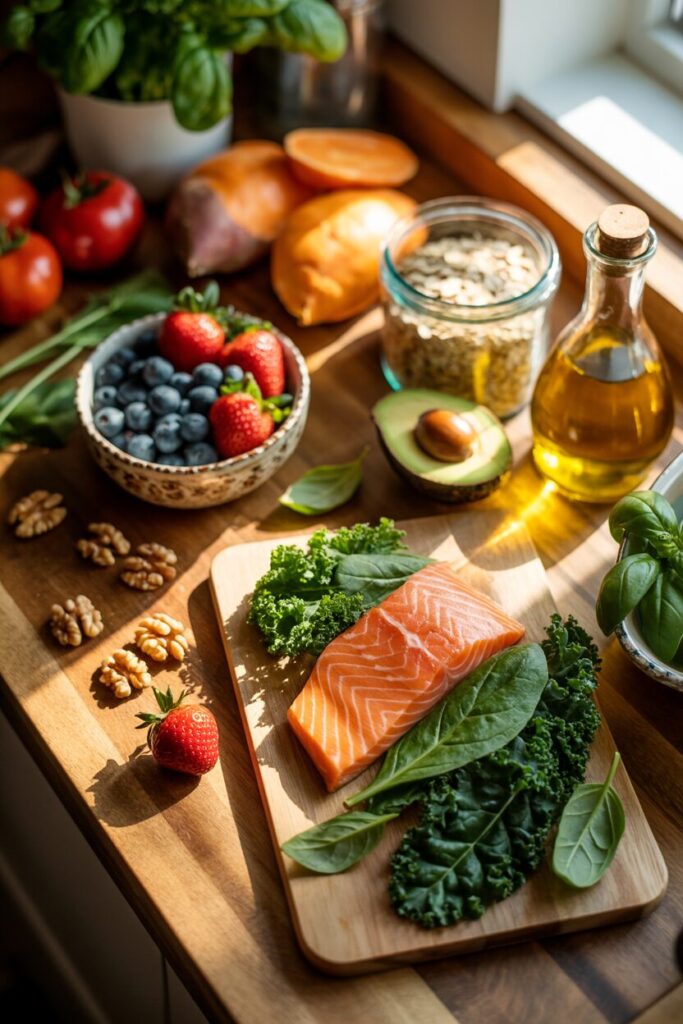
Why “Every Week” Matters
Here’s the thing about heart-healthy eating—it’s cumulative. Eating salmon once doesn’t fix your cholesterol any more than going to the gym once gives you abs. Your body needs consistent fuel to repair, maintain, and improve cardiovascular health.
According to research from the American Heart Association, eating a variety of nutrient-dense foods regularly leads to measurable improvements in cholesterol levels, blood pressure, and inflammation markers within 8-12 weeks.
Weekly eating patterns matter more than daily perfection. If 80% of what you eat each week comes from this list, you’re winning.
1. Salmon (and Other Fatty Fish)
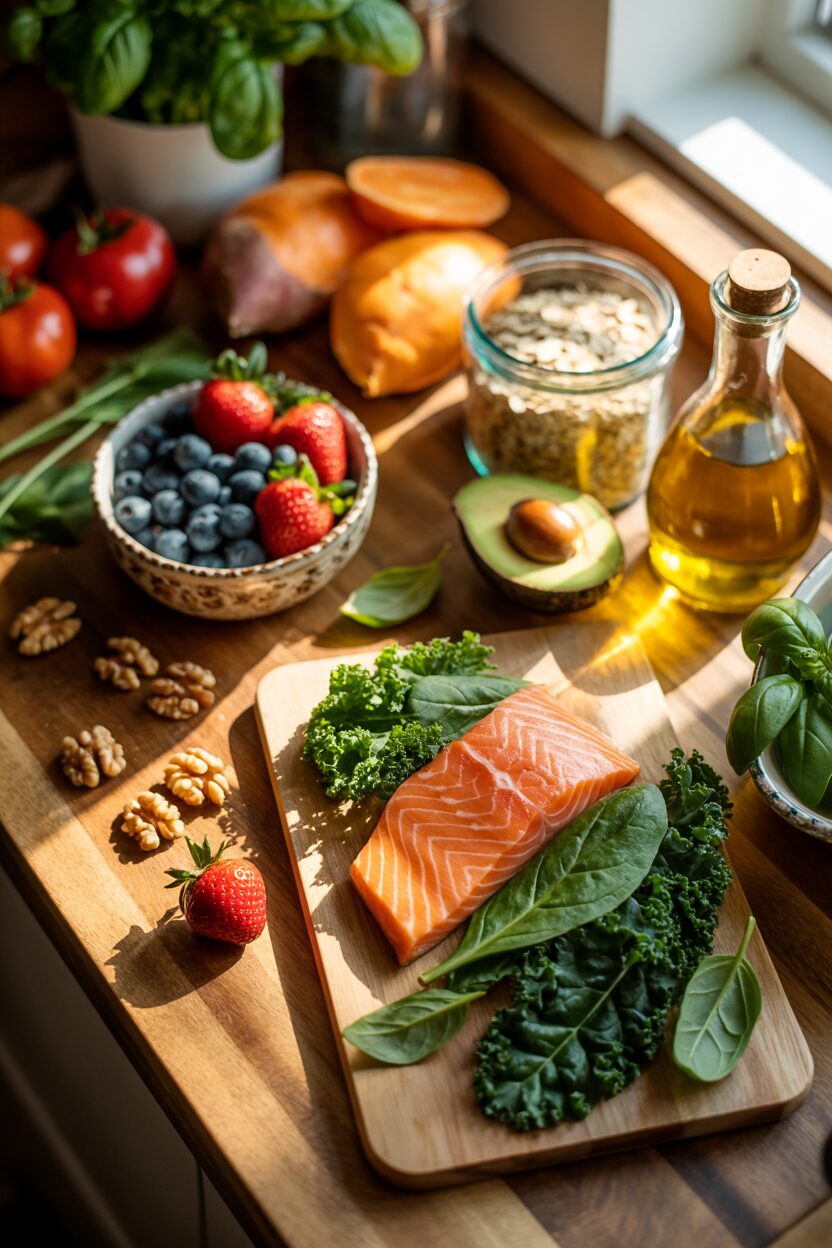
Salmon is the MVP of heart-healthy foods. Those omega-3 fatty acids—specifically EPA and DHA—reduce inflammation, lower triglycerides, and might even help regulate heart rhythm. Wild-caught has more omega-3s than farmed, but honestly, any salmon is better than no salmon.
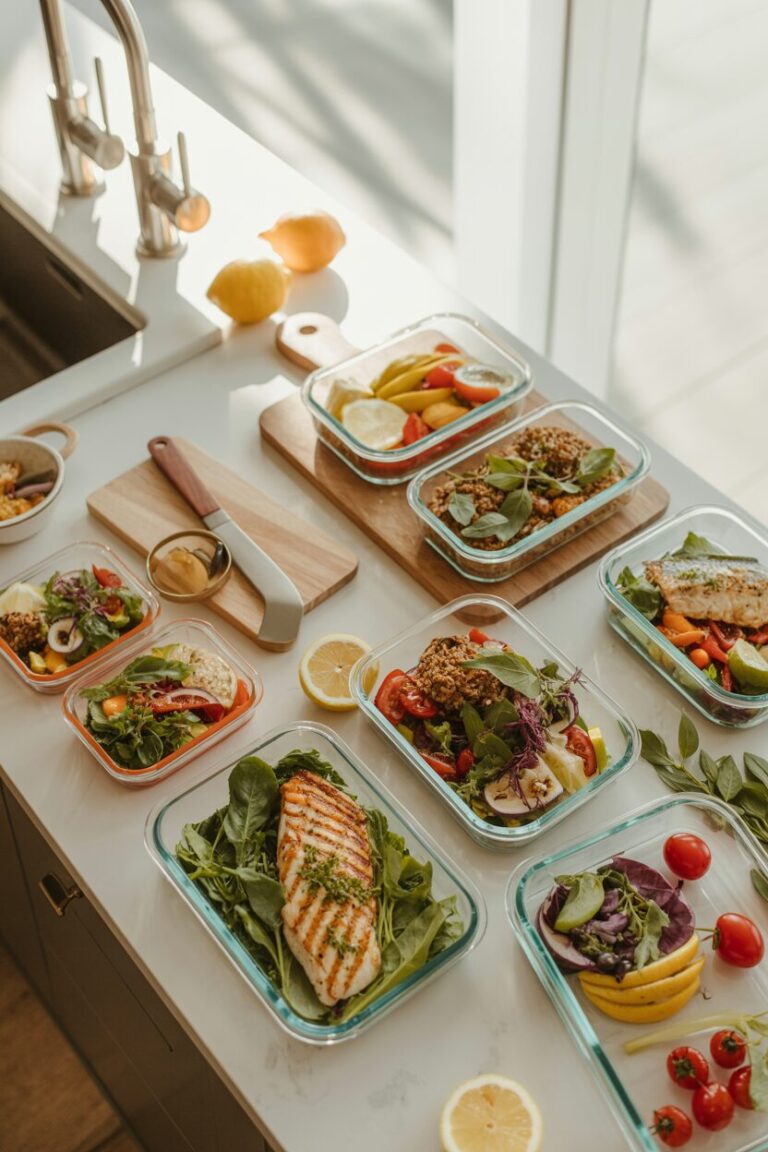
I aim for two servings a week. One on the grill with lemon and dill, one in [these meal prep containers] as part of a grain bowl. Sardines, mackerel, and trout work too if you’re looking to switch it up.
The fat in fatty fish is what makes it special. It’s not about lean protein here—you want that oily, rich fish that gives you the good stuff your heart actually needs.
2. Oats (Steel-Cut or Rolled)
Oats contain beta-glucan, a soluble fiber that literally binds to cholesterol in your gut and escorts it out of your body. It’s like a tiny bouncer for your digestive system, keeping the bad stuff from getting absorbed.
I keep [this airtight container] full of steel-cut oats on my counter. They take longer to cook than instant, but they keep you full for hours and don’t spike your blood sugar like the sugary packets.
Mix them with walnuts and berries (more on those in a sec) and you’ve got a breakfast that checks multiple heart-healthy boxes.
3. Blueberries
Blueberries are packed with anthocyanins—antioxidants that reduce oxidative stress and inflammation in blood vessels. Translation: they help keep your arteries flexible and clear.
I buy them frozen in bulk and throw them in smoothies, oatmeal, or just eat them straight from the bag as a snack. According to studies published in the Journal of Nutrition, eating blueberries regularly can lower blood pressure and improve cholesterol levels.
Fresh is great, frozen is fine—they keep their nutrients either way. Don’t let perfect be the enemy of good here.
4. Walnuts
Of all the nuts, walnuts have the highest amount of plant-based omega-3s (ALA). A small handful—about an ounce—gives you healthy fats, fiber, and plant sterols that compete with cholesterol for absorption.
I keep them in [this glass jar] by my coffee maker. Grab a handful while waiting for coffee to brew, toss them in salads, or crush them up to coat fish. They’re crazy versatile.
Just watch portions. Nuts are calorie-dense, so an ounce is plenty. That’s about 14 walnut halves, FYI.
5. Spinach and Leafy Greens
Spinach, kale, arugula, Swiss chard—any dark leafy green brings vitamins, minerals, and nitrates that help lower blood pressure. The darker the green, the more nutrients it packs.
I buy those big plastic containers of baby spinach and throw handfuls into everything—scrambles, smoothies, pasta, soups. It wilts down to nothing, so you can eat way more than you think. [Get Full Recipe]
Frozen spinach works great too, especially for cooked dishes. It’s already chopped and washed, which removes like three steps from dinner prep.
If you’re looking for ways to use up all those greens, try [this spinach and white bean soup] or [these kale and quinoa power bowls]—both are ridiculously easy and actually taste good.
6. Avocados
Avocados are full of monounsaturated fats—the kind that improves your HDL to LDL cholesterol ratio. Half an avocado a day has been shown to lower bad cholesterol without affecting the good kind.
I use them in place of mayo, butter, or cheese in most recipes. Mash one up for “avocado toast,” blend it into smoothies for creaminess, or just eat it with a spoon and some salt because life’s too short.
They ripen fast once they get soft, so I use [these avocado storage pods] to keep cut halves from turning brown in the fridge.
7. Extra Virgin Olive Oil
Not all fats are created equal, and olive oil proves it. The polyphenols and monounsaturated fats in EVOO reduce inflammation and improve endothelial function (basically, they help your blood vessels relax and work properly).
Use it for salad dressings, drizzle it on vegetables before roasting, or dip bread in it. Don’t use it for high-heat cooking though—that destroys the beneficial compounds. For that, I use [this avocado oil spray].
Buy it in dark bottles and store it away from light and heat. Olive oil degrades when exposed to both, and you’re paying for those antioxidants, so protect them.
8. Tomatoes
Tomatoes are loaded with lycopene, an antioxidant that’s been linked to lower LDL cholesterol and reduced risk of heart disease. Cooked tomatoes actually have more available lycopene than raw ones—something about heat breaking down the cell walls.
I keep canned crushed tomatoes in the pantry year-round. They’re the base for pasta sauce, chili, soup, shakshuka—basically anything that needs tomato flavor. Fresh tomatoes in summer are incredible, but canned works perfectly fine the rest of the year.
The acid in tomatoes can mess with certain pans, so I cook them in [this enameled cast iron] instead of straight cast iron or aluminum.
9. Sweet Potatoes
Sweet potatoes bring fiber, potassium, and beta-carotene to the table. Potassium helps regulate blood pressure, and fiber helps manage cholesterol. Plus, they’re naturally sweet, so they satisfy cravings without needing added sugar.
I roast a bunch at the start of the week—just scrub them, poke holes, rub with a tiny bit of oil, and roast at 400°F until tender. Use them as a side, mash them, or stuff them with beans and vegetables. [Get Full Recipe]
They’re way more filling than regular potatoes and have a lower glycemic index, meaning they don’t spike your blood sugar as much.
10. Beans and Lentils
Black beans, chickpeas, lentils, kidney beans—all legumes are fiber powerhouses. One cup gives you 12-16 grams of fiber, both soluble and insoluble. The soluble kind lowers cholesterol, the insoluble kind keeps your digestive system moving.
I cook dried beans in [this pressure cooker] because it’s stupid fast and I’m impatient. But canned beans work fine too—just rinse them to get rid of excess sodium.
According to Harvard Health’s nutritional guidelines, eating legumes four times a week can reduce heart disease risk by 22%. That’s significant.
Looking for easy ways to add more beans to your week? Check out [this black bean and sweet potato taco recipe] or [these Mediterranean chickpea bowls]—both are stupid simple and crazy filling.
11. Flaxseeds (Ground)
Flaxseeds have omega-3s, fiber, and lignans (plant compounds with antioxidant properties). The catch is you need to grind them—your body can’t digest whole flaxseeds, they’ll just pass right through.
I grind a bunch at once in [this coffee grinder] (dedicated to seeds and spices, not actual coffee) and store the ground flax in the fridge. Sprinkle it on oatmeal, blend it into smoothies, or mix it into yogurt.
Two tablespoons a day is the sweet spot. More than that and you’re just wasting it—your body can only absorb so much at once.
12. Garlic
Garlic contains allicin, a compound that forms when you crush or chop fresh garlic. It’s been shown to lower blood pressure and cholesterol levels, plus it makes everything taste better, so you’re not stuck eating bland “healthy” food.
I go through probably a bulb a week. Mince it into stir-fries, roast whole cloves with vegetables, or make a simple garlic and olive oil pasta sauce. The key is crushing or chopping it and letting it sit for 10 minutes before cooking—that activates the allicin.
[This garlic press] saves time and your fingers from smelling like garlic for three days.
13. Chia Seeds
Chia seeds expand in liquid and form a gel that slows down digestion and helps stabilize blood sugar. They’re also packed with omega-3s, fiber, and protein for something so tiny.
I mix them into overnight oats, sprinkle them on yogurt, or make chia pudding by mixing 2 tablespoons with almond milk and letting it sit overnight. They’re flavorless, so they take on whatever you mix them with.
They don’t need grinding like flax—your body can digest them whole, which makes them easier to work with.
14. Dark Chocolate (70% Cacao or Higher)
Yeah, chocolate made the list. Dark chocolate with high cacao content has flavonoids that improve blood flow and lower blood pressure. The key word is “dark”—milk chocolate doesn’t count because the sugar and milk fat cancel out the benefits.
I keep [this 85% dark chocolate] in the pantry and have one or two squares after dinner. It’s bitter enough that you can’t mindlessly eat the whole bar, which is probably by design.
If 85% is too intense, start with 70% and work your way up. Your taste buds adjust faster than you’d think.
15. Broccoli
Broccoli has sulforaphane, a compound that may help reduce inflammation and prevent cholesterol buildup in arteries. It’s also loaded with fiber, vitamin K, and vitamin C.
I roast it in [this sheet pan] with olive oil, garlic, and a squeeze of lemon. High heat (450°F) makes it crispy and caramelized instead of that weird mushy texture people hate.
Frozen broccoli works for soups and stir-fries. Fresh is better for roasting. Use whatever fits your budget and schedule—the best vegetable is the one you’ll actually eat.
16. Green Tea
Green tea contains catechins, antioxidants that improve cholesterol levels and support heart health. It’s not going to transform your life overnight, but as a daily habit, it adds up.
I switched from coffee to green tea for my afternoon drink. Less caffeine than coffee but enough to avoid the 3pm crash. I brew it in [this glass teapot]—watching the leaves unfurl is oddly calming.
Don’t add sugar, honey, or milk. Those additions reduce the absorption of those beneficial catechins. If plain green tea is too bitter, try it slightly cooler—boiling water makes it more astringent.
17. Quinoa
Quinoa is a complete protein (rare for plant foods) and brings fiber, magnesium, and iron to the table. Magnesium helps regulate blood pressure, and the fiber helps manage cholesterol.
I cook a big batch on Sunday and use it all week—grain bowls, stuffed peppers, mixed into salads, as a side dish. It’s more interesting than rice and more versatile than pasta.
Rinse it before cooking to remove the saponins (they make it taste bitter). [This fine-mesh strainer] is perfect for rinsing without losing half of it down the drain. [Get Full Recipe]
Building Your Weekly Meal Plan
Having a list of 17 foods is great, but how do you actually work them into your week without losing your mind? Here’s my approach:
Pick 3-4 proteins: Salmon twice, chicken once, beans/lentils once or twice. That covers dinner and some lunches.
Choose 2-3 grains: Oats for breakfast, quinoa for grain bowls, maybe some whole wheat pasta.
Load up on vegetables: Spinach, broccoli, tomatoes, and sweet potatoes rotate through as sides or mixed into mains.
Snack smart: Walnuts, dark chocolate, and berries cover your between-meal hunger without derailing anything.
You don’t need to eat all 17 every single day. Aim for 10-12 throughout the week, and you’re doing great.
The Shopping Strategy
I shop once a week with a loose plan. Not a rigid meal-by-meal schedule (that stresses me out), but a general idea: “I need salmon, chicken, beans. I need greens, broccoli, sweet potatoes. I need oats, quinoa.”
Buy frozen vegetables and berries—they’re cheaper, they don’t go bad, and they’re just as nutritious as fresh. I keep bags of frozen spinach, broccoli, and blueberries on hand always.
[These reusable produce bags] keep fresh vegetables crisp longer in the fridge. Less food waste, and I don’t feel guilty about the plastic.
Making It Taste Good
Here’s the real secret nobody tells you: heart-healthy food needs to taste good, or you won’t stick with it. And making it taste good is mostly about seasoning.
Invest in these:
- [A good quality sea salt] for finishing dishes
- [This spice set] with basics like cumin, paprika, garlic powder
- Fresh herbs when you can, dried when you can’t
- Lemon and lime—acid makes everything brighter
Season your food properly. Use garlic and onions as a flavor base. Don’t be afraid of olive oil in reasonable amounts. The goal is sustainability, not punishment.
What About Eating Out?
You can’t avoid restaurants forever. When I eat out, I look for:
- Grilled fish (salmon, trout, whatever they have)
- Salads with vinaigrette instead of creamy dressing
- Roasted or steamed vegetables as sides
- Whole grains if available (quinoa bowls, brown rice)
Most places will substitute or modify dishes if you ask. Worst case, you eat a less-than-ideal meal, enjoy it, and get back to your regular eating the next day. One meal doesn’t erase consistent effort.
Related Recipes You’ll Love
Want to put these ingredients to work? Here are some recipes that make eating heart-healthy actually enjoyable:
Easy Weeknight Dinners:
- [Baked salmon with roasted Brussels sprouts and quinoa]
- [Lentil and vegetable stir-fry]
Make-Ahead Meals:
- [Turkey chili with beans]
- [Moroccan spiced lentil stew]
Quick Lunches:
- [Quinoa Buddha bowl with tahini dressing]
- [Greek-style chickpea wraps]
The Bottom Line
These 17 foods aren’t magic bullets. They won’t reverse decades of poor eating in a week. But eaten consistently—like, actually every week, not just when you remember—they work.
Your body responds to patterns, not perfection. If most of what you eat comes from this list most of the time, your heart will thank you. You’ll probably feel better too—more energy, better sleep, less inflammation.
Start small. Pick five foods from this list and commit to eating them this week. Once that feels normal, add a couple more. Build the habit slowly, and it’ll actually stick.
IMO, that’s way more sustainable than trying to overhaul everything at once and burning out by Thursday. Your heart’s playing the long game, and so should you.