16 Heart-Healthy Meals for Weight Loss
Let’s be real—trying to eat healthy while actually losing weight can feel like you’re stuck in some weird food purgatory. You want meals that support your heart, help you shed pounds, and don’t taste like cardboard. Is that too much to ask? Apparently not, because I’ve rounded up 16 heart-healthy meals that check all the boxes. These aren’t your grandma’s boring steamed vegetables; they’re actual meals you’ll want to eat. Ready to transform your kitchen into a heart-health powerhouse?

Why Heart Health and Weight Loss Go Hand in Hand
Here’s something most people don’t realize: your heart health and weight are basically best friends—when one improves, the other tags along. Research from the American Heart Association shows that even modest weight loss can significantly reduce your risk of cardiovascular disease. We’re talking about lowering blood pressure, improving cholesterol levels, and giving your heart a serious break from working overtime.
The connection isn’t rocket science. When you carry extra weight, especially around your midsection, your heart has to pump harder to circulate blood throughout your body. It’s like asking someone to run a marathon while wearing a weighted vest—exhausting and unnecessary. By choosing meals that support both weight loss and heart health, you’re essentially giving your cardiovascular system the VIP treatment it deserves.
The beauty of heart-healthy eating is that it naturally promotes weight loss. You’re loading up on fiber-rich vegetables, lean proteins, and healthy fats that keep you satisfied longer. No more 3 PM vending machine runs because you’re starving. According to Mayo Clinic’s cardiology experts, even losing just 3-5% of your body weight can decrease triglycerides and blood sugar levels. That’s huge.
Pro Tip: Start by swapping just one meal per day with a heart-healthy option. You don’t need to overhaul your entire diet overnight—small, sustainable changes add up to massive results over time.
What Makes a Meal Actually Heart-Healthy?
Before we jump into the recipes, let’s talk about what separates a heart-healthy meal from, well, everything else you’ve been eating. It’s not just about avoiding fried chicken (though that helps). Heart-healthy meals follow a few key principles that the American Heart Association emphasizes in their dietary guidelines.
First up: healthy fats. Not all fats are created equal, and this is where people get confused. You want monounsaturated and polyunsaturated fats—think olive oil, avocados, nuts, and fatty fish like salmon. These fats actually help lower your bad cholesterol (LDL) while raising the good stuff (HDL). I use this cold-pressed olive oil in practically everything because it’s rich in antioxidants and tastes incredible drizzled over roasted vegetables.
Second: fiber is your best friend. Soluble fiber specifically helps reduce cholesterol absorption in your bloodstream. We’re talking about oats, beans, lentils, apples, and Brussels sprouts. Aim for at least 25-30 grams of fiber daily. Most people barely hit 15 grams, so there’s real opportunity here.
Third: lean proteins over processed meats. Swap the bacon and sausage for chicken breast, turkey, fish, or plant-based proteins. Your arteries will thank you. The goal is to minimize saturated fat while maximizing protein that keeps you full and supports muscle maintenance during weight loss.
You’ll also want to watch your sodium intake. The American Heart Association recommends no more than 2,300 mg per day, with an ideal limit of 1,500 mg for most adults. When you’re cooking at home, you control the salt—unlike restaurant meals that pack in sodium like it’s going out of style. I keep this herb grinder set handy because fresh herbs add incredible flavor without any sodium.
16 Heart-Healthy Meals That Actually Taste Good
1. Mediterranean Quinoa Bowl with Lemon-Herb Chicken
This bowl is everything. You’ve got protein-packed quinoa as your base, topped with grilled chicken marinated in lemon juice, garlic, and oregano. Add cherry tomatoes, cucumbers, Kalamata olives, red onion, and a generous handful of baby spinach. Finish with a drizzle of olive oil and a sprinkle of feta cheese. Get Full Recipe.
The Mediterranean diet is consistently rated as one of the best eating patterns for heart health. It emphasizes whole foods, healthy fats, and plenty of vegetables—all things your cardiovascular system loves. Plus, quinoa is a complete protein with all nine essential amino acids, so you’re getting serious nutritional bang for your buck.
2. Baked Salmon with Roasted Vegetables
Salmon is basically a heart health superstar. It’s loaded with omega-3 fatty acids that reduce inflammation and lower triglycerides. For this meal, I season salmon fillets with lemon, dill, and a touch of garlic, then bake at 400°F for about 15 minutes. Serve alongside roasted broccoli, bell peppers, and asparagus tossed in olive oil. Simple, elegant, and your heart will be doing cartwheels.
If you’re meal prepping, salmon holds up surprisingly well. Just reheat gently in the oven or microwave at 50% power to avoid drying it out. I use these silicone baking mats for zero sticking and easy cleanup—they’ve saved me from scrubbing countless baking sheets.
3. Turkey and Black Bean Chili
Chili gets a bad rap for being heavy, but when you make it with lean ground turkey and load it with black beans, tomatoes, and peppers, it becomes a heart-healthy powerhouse. Black beans are packed with soluble fiber that helps lower cholesterol, and turkey provides lean protein without the saturated fat of beef.
Season with cumin, chili powder, paprika, and a touch of cocoa powder (trust me on this—it adds depth). Top with a dollop of Greek yogurt instead of sour cream and some fresh cilantro. This freezes beautifully, so make a huge batch and thank yourself later.
My Go-To Dutch Oven for Meal Prep
Honestly, this changed my meal prep game completely. I use this 6-quart enameled cast iron Dutch oven for everything—soups, chilis, one-pot meals, even bread. It distributes heat perfectly, goes from stovetop to oven, and the cleanup is ridiculously easy. I’ve made the turkey chili in this thing at least 50 times. Worth every penny.
For more protein-rich options that support heart health, check out these low-cholesterol meals doctors actually recommend or explore these quick weeknight heart-healthy recipes when you’re short on time.
4. Lentil and Vegetable Stir-Fry
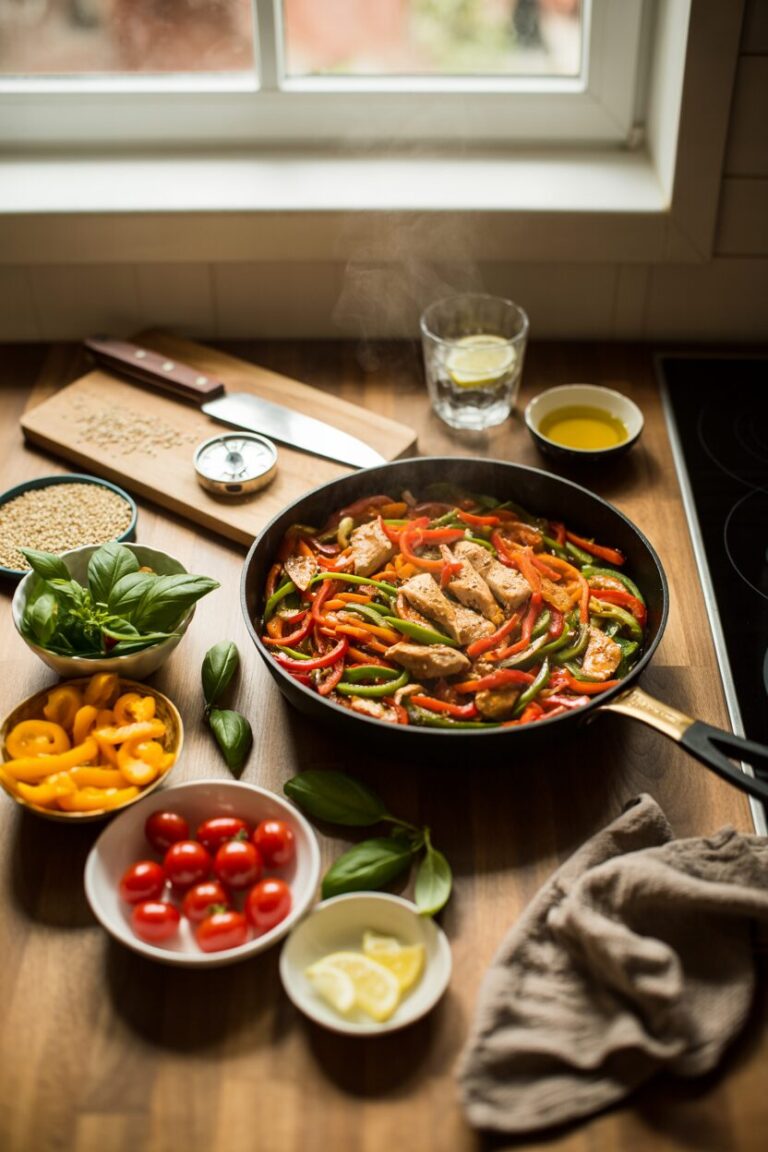
IMO, lentils are criminally underused. They’re cheap, packed with protein and fiber, and incredibly versatile. For this stir-fry, I cook green or brown lentils until tender, then stir-fry them with whatever vegetables I have on hand—usually snap peas, carrots, bell peppers, and bok choy.
Season with low-sodium soy sauce, fresh ginger, garlic, and a splash of rice vinegar. Serve over cauliflower rice if you want to keep it extra light, or regular brown rice for more substance. The fiber content in lentils slows digestion, which means you stay fuller longer and avoid blood sugar spikes.
Quick Win: Cook a big batch of lentils on Sunday and use them throughout the week in salads, stir-fries, and soups. They last about 5 days in the fridge and make meal prep ridiculously easy.
5. Grilled Chicken with Sweet Potato and Kale
This is my go-to when I need something filling but clean. Grill chicken breast seasoned with smoked paprika, garlic powder, and a pinch of cayenne. Roast sweet potato cubes tossed in olive oil until they’re crispy on the outside, and sauté kale with a bit of garlic until wilted. Get Full Recipe.
Sweet potatoes are high in potassium, which helps regulate blood pressure by counteracting the effects of sodium. Kale is loaded with vitamins K, A, and C, plus it contains compounds that may help lower cholesterol. Together, they create a nutrient-dense plate that supports weight loss without leaving you hungry.
30-Day Heart-Healthy Meal Plan (With Shopping Lists)
Sick of deciding what to eat every single day? This complete 30-day meal plan takes all the guesswork out. You get breakfast, lunch, dinner, and snacks mapped out with full recipes, nutritional info, and weekly shopping lists. Everything is designed to support heart health and weight loss. Just download, print, and follow along. People who use this lose an average of 8-12 pounds in the first month.
6. Veggie-Packed Minestrone Soup
Soup is underrated for weight loss because it’s high in volume but relatively low in calories. This minestrone is loaded with tomatoes, zucchini, carrots, celery, green beans, and white beans in a tomato-based broth. Add some whole wheat pasta if you want more substance, or leave it out to keep it lighter.
I make this in my Dutch oven because it distributes heat evenly and makes enough to feed an army. Season with Italian herbs, garlic, and a bay leaf. The white beans provide both protein and fiber, making this soup surprisingly filling for something so light.
7. Shrimp and Zucchini Noodle Bowl
Shrimp cooks in minutes and is naturally low in calories but high in protein. For this bowl, sauté shrimp in olive oil with garlic and red pepper flakes, then toss with spiralized zucchini noodles (aka zoodles). Add cherry tomatoes and fresh basil, then finish with a squeeze of lemon.
Zucchini noodles are a fantastic low-carb, low-calorie alternative to regular pasta. If you don’t have a spiralizer, this handheld spiralizer works great and doesn’t take up much space. The entire meal comes together in under 20 minutes, which is clutch when you’re tired but still want to eat well.
8. Baked Chicken Breast with Brussels Sprouts and Quinoa
Brussels sprouts get a bad reputation because people boil them into oblivion. Don’t do that. Instead, halve them, toss in olive oil, salt, and pepper, then roast at 425°F until they’re crispy and caramelized. Serve alongside baked chicken breast and fluffy quinoa for a complete, balanced meal. Get Full Recipe.
Brussels sprouts are part of the cruciferous vegetable family, which means they’re packed with antioxidants and fiber. The combination of protein from chicken, complex carbs from quinoa, and fiber from the sprouts keeps your blood sugar stable and your energy consistent.
Looking for more Brussels sprouts inspiration? These 17 heart-healthy foods to eat every week include several cruciferous vegetables that can transform your meal rotation.
9. Turkey Lettuce Wraps with Avocado
When you want something light but satisfying, lettuce wraps are where it’s at. Brown ground turkey with onions, garlic, and a splash of low-sodium soy sauce. Add water chestnuts for crunch, then spoon the mixture into butter lettuce leaves. Top with diced avocado, shredded carrots, and fresh cilantro.
Avocados provide monounsaturated fats that support heart health, plus they add creaminess without any dairy. The lettuce wraps keep this meal low in carbs and calories while still being totally satisfying. It’s fresh, crunchy, and way more interesting than a basic salad.
10. Baked Cod with Tomato and Olive Salsa
Cod is mild, flaky, and perfect for people who think they don’t like fish. Season fillets with lemon, garlic, and parsley, then bake until they flake easily with a fork. While it’s cooking, make a quick salsa with diced tomatoes, Kalamata olives, red onion, capers, and fresh basil.
The salsa adds a Mediterranean flair and packs in extra antioxidants and healthy fats from the olives. Serve with a side of steamed green beans or a simple arugula salad. This meal is light enough for summer but substantial enough that you won’t be raiding the pantry an hour later.
11. Chickpea and Spinach Curry
Plant-based meals can be just as satisfying as anything with meat, and this curry proves it. Sauté onions, garlic, and ginger in a bit of olive oil, then add curry powder, turmeric, and cumin. Stir in canned chickpeas, diced tomatoes, and a can of light coconut milk. Simmer until thick, then add a massive handful of fresh spinach that wilts into the sauce.
Chickpeas are loaded with both protein and fiber, making them incredibly filling. The spices in curry also have anti-inflammatory properties that support heart health. Serve over brown rice or cauliflower rice, and you’ve got a meal that’s warming, flavorful, and ridiculously good for you.
Pro Tip: Buy dried chickpeas in bulk and cook them in an Instant Pot—they’re way cheaper than canned and taste better. Plus you control the sodium content completely.
12. Grilled Chicken and Veggie Kabobs
Kabobs make eating vegetables way more fun. Thread chunks of chicken breast, bell peppers, red onion, zucchini, and cherry tomatoes onto skewers. Brush with a mixture of olive oil, lemon juice, garlic, and oregano, then grill until the chicken is cooked through and the veggies are slightly charred. Get Full Recipe.
The key here is not overcooking the chicken—nobody likes dry, rubbery chicken. Use a digital meat thermometer to hit 165°F perfectly every time. Serve with a side of quinoa or a Greek salad for a complete Mediterranean-inspired meal.
13. Egg White Omelet with Vegetables
Don’t sleep on breakfast for dinner. An egg white omelet loaded with sautéed mushrooms, spinach, tomatoes, and a sprinkle of low-fat cheese is protein-rich, low in calories, and ready in minutes. Egg whites give you pure protein without the cholesterol found in yolks, making them ideal for heart health.
Pair with a slice of whole grain toast or fresh fruit for a balanced meal. The vegetables add fiber and micronutrients, while the protein keeps you satisfied. This is also perfect post-workout when your body needs quality protein to recover.
14. Cauliflower Fried Rice with Edamame
Fried rice doesn’t have to be a greasy takeout disaster. Make it with riced cauliflower instead of white rice, and suddenly you’ve got a low-carb, high-fiber version that still hits the spot. Sauté the cauliflower rice with garlic, ginger, frozen peas and carrots, edamame, and scrambled eggs.
Season with low-sodium soy sauce and sesame oil for authentic flavor. Edamame brings both protein and fiber to the party, making this surprisingly filling despite being light on calories. I make mine in a large wok because it gets everything nicely crispy without steaming.
When you’re craving comfort food that won’t derail your progress, try these heart-healthy comfort foods that feel indulgent but still support your goals.
15. Baked Turkey Meatballs with Marinara and Zoodles
Meatballs made with ground turkey instead of beef cut the saturated fat significantly while keeping all the flavor. Mix ground turkey with whole wheat breadcrumbs, egg, garlic, Italian herbs, and a bit of Parmesan. Form into balls and bake until golden brown. Get Full Recipe.
Serve over zucchini noodles with your favorite low-sodium marinara sauce. This meal feels indulgent but is actually packed with protein and vegetables. Make a double batch and freeze half for those nights when cooking feels impossible but ordering pizza feels worse.
16. Spinach and White Bean Soup
This soup is proof that simple can be spectacular. Sauté garlic in olive oil, add vegetable broth, canned white beans, and a mountain of fresh spinach. Season with rosemary, thyme, and a squeeze of lemon juice. The spinach wilts down into the broth, creating a nutritious, warming soup that’s ready in about 20 minutes.
White beans provide both protein and fiber, while spinach delivers iron, vitamins, and antioxidants. This is the kind of meal you make on a Sunday afternoon and eat throughout the week. Pair with whole grain bread for dipping, or keep it as-is for a lighter option.
Meal Prep Strategies That Actually Work
Let’s talk about meal prep because that’s where most people stumble. You can have all the best recipes in the world, but if you’re staring into an empty fridge at 7 PM on a Tuesday, you’re ordering takeout. Here’s how to set yourself up for success without spending your entire Sunday in the kitchen.
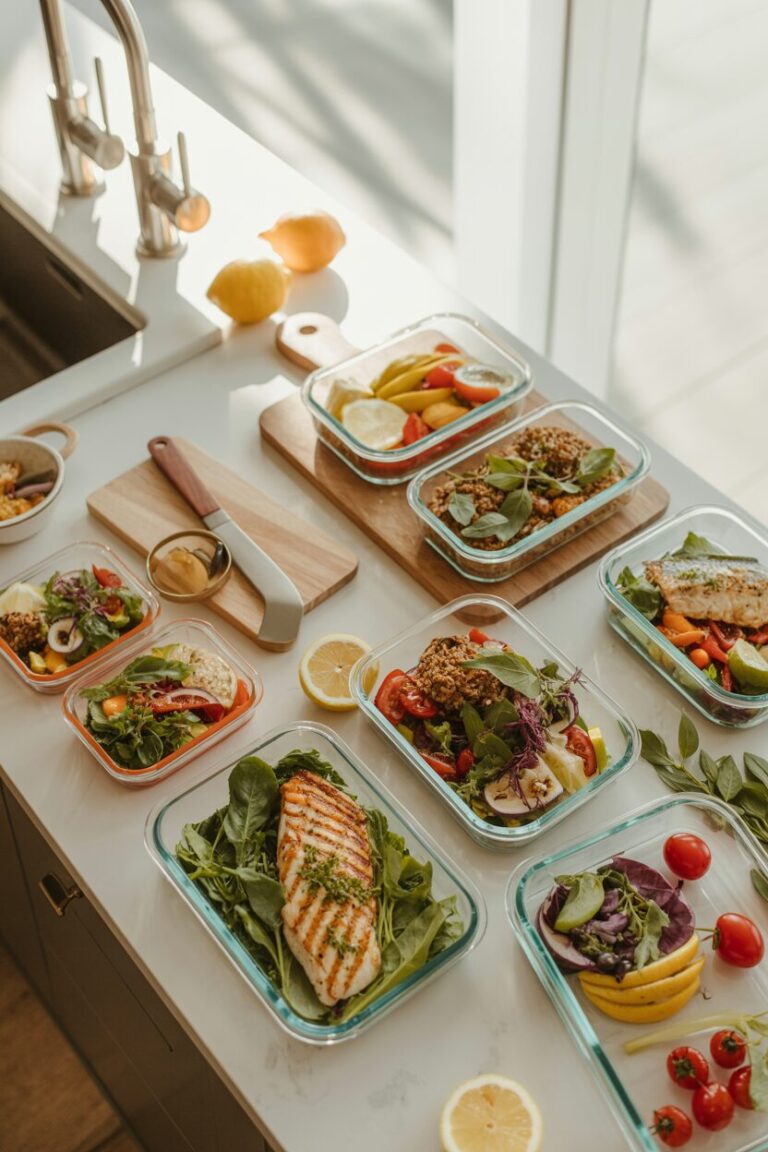
Batch cook your proteins. Grill or bake several chicken breasts, salmon fillets, or portions of ground turkey all at once. Store them in glass meal prep containers and you’ve got ready-to-go protein for the week. Mix and match with different vegetables and grains to keep meals interesting.
Pre-chop your vegetables. Wash, chop, and store vegetables in containers so they’re grab-and-go. Bell peppers, onions, carrots, and broccoli all hold up well for 4-5 days. Having pre-prepped veggies means you’re way more likely to actually use them instead of letting them rot in the crisper drawer.
Cook grains in advance. Quinoa, brown rice, and farro all reheat beautifully. Cook a big batch on Sunday and portion it out. You can add it to soups, use it as a base for bowls, or serve it alongside any protein and vegetable combo.
FYI, investing in quality storage containers makes a massive difference. I learned this the hard way after too many sauce-stained plastic containers. These glass containers with snap lids are microwave, dishwasher, and oven-safe, which means less juggling different dishes.
The Ultimate Heart-Healthy Grocery Shopping Guide
Stop wandering the aisles confused about what to buy. This printable grocery guide breaks down exactly which foods to stock up on, which to avoid, and how to read labels like a pro. It includes brand recommendations, budget-friendly swaps, and a master shopping list organized by store section. Download it, keep it on your phone, and never second-guess your grocery choices again.
Need more breakfast ideas to round out your meal prep? Check out these 12 heart-healthy breakfasts under 300 calories that you can make ahead and grab on busy mornings.
Making It Stick: The Habit Factor
Here’s what nobody tells you about eating heart-healthy: the actual food is the easy part. The hard part is building sustainable habits that stick when life gets chaotic, you’re stressed, or you’re just really craving pizza. Research from Harvard Medical School emphasizes that dietary patterns matter more than individual meals—consistency trumps perfection.
Start with one meal replacement. Don’t try to overhaul everything overnight. Pick breakfast, lunch, or dinner and make that your focus. Once that becomes routine (usually 3-4 weeks), add another meal. Small wins compound into massive results.
Keep your environment supportive. If your pantry is stocked with chips and cookies, you’re fighting an uphill battle. Clear out the junk and replace it with healthier alternatives. Stock up on canned beans, whole grains, frozen vegetables, and lean proteins. When healthy food is the easiest option, you’ll naturally make better choices.
Plan for indulgences. Trying to be perfect 100% of the time is a recipe for burnout and rebellion. Build in planned treats—maybe it’s pizza Friday or Sunday brunch with friends. Knowing you have these moments to look forward to makes it easier to stick with heart-healthy eating the rest of the time.
Remember that weight loss isn’t linear, and that’s okay. Some weeks you’ll lose two pounds, other weeks nothing happens. Your heart health improves with every single nutritious meal you eat, regardless of what the scale says. Focus on how you feel—more energy, better sleep, clothes fitting differently—rather than obsessing over numbers.
Heart-Healthy Meal Prep Masterclass (Video Course)
Watch over my shoulder as I show you exactly how to meal prep 5 days of heart-healthy meals in under 2 hours. This video masterclass includes shopping strategies, prep techniques, storage hacks, and time-saving shortcuts I’ve learned over years of meal prepping. You also get downloadable recipe cards and a weekly planning template. Stop winging it and start having a system that actually works.
Quick Win: Keep a list of your favorite heart-healthy meals on your phone. When you’re stuck for ideas or tempted to order takeout, scroll through your list and pick something you know you’ll enjoy. Decision fatigue is real—eliminate it.
Join Our Heart-Healthy Community
Want daily recipe inspiration, meal prep tips, and support from people on the same journey? Join our WhatsApp community where we share quick wins, answer questions, and keep each other motivated. Sarah from our group tried these recipes and lost 15 pounds in 3 months while completely transforming her energy levels. Click here to join our free WhatsApp channel and get exclusive recipes delivered straight to your phone.
Common Mistakes to Avoid
Even with the best intentions, people make predictable mistakes when trying to eat heart-healthy for weight loss. Let’s address the big ones so you can dodge these pitfalls.
Mistake #1: Going too low-fat. Not all fats are bad, and you need healthy fats for satiety, nutrient absorption, and overall health. Cutting fat too aggressively usually backfires—you feel hungry, cranky, and eventually binge on something you’ve been denying yourself. Include moderate amounts of olive oil, avocados, nuts, and fatty fish.
Mistake #2: Eating “healthy” processed foods. Just because something is labeled as heart-healthy doesn’t mean it is. Many low-fat products compensate by adding sugar. Many “whole grain” products are still highly processed with added sodium. Read labels and focus on whole, minimally processed foods whenever possible.
Mistake #3: Not eating enough protein. Protein is crucial for maintaining muscle mass during weight loss and keeping you satisfied between meals. Aim for at least 20-30 grams of protein per meal. If you’re consistently hungry or losing muscle along with fat, you probably need more protein.
Mistake #4: Ignoring portion sizes. Yes, nuts and avocados are healthy. But they’re also calorie-dense, and eating them mindlessly can sabotage weight loss. Use measuring cups or a simple food scale until you develop a good eye for appropriate portions.
For more guidance on building a sustainable approach, explore these 20 heart-healthy lunch ideas for work that make weekday eating stress-free.
Dining Out Without Derailing Progress
Eventually, you’ll eat at a restaurant. You’ll go to a friend’s house for dinner. You’ll face situations where you don’t control every ingredient. That’s life, and you need strategies for navigating these moments without throwing in the towel completely.
At restaurants: Look for grilled, baked, or steamed options rather than fried. Ask for sauces and dressings on the side. Load up on vegetable sides. Don’t be afraid to make substitutions—most restaurants are happy to swap fries for a salad or steamed vegetables.
At social gatherings: Eat a small, protein-rich snack before you go so you’re not starving when faced with appetizers. Fill your plate with vegetables and lean proteins first, then add small portions of anything else you want to try. Stay hydrated with water or sparkling water instead of endless cocktails.
When traveling: Pack portable healthy snacks like nuts, protein bars, or fruit. Look for grocery stores near your hotel where you can grab fresh food instead of relying solely on airport or gas station options. Many hotels have mini-fridges—use them.
The goal isn’t perfection. It’s making the best choice available in any given situation. Sometimes that means grilled chicken and vegetables. Other times it means pizza, but you have two slices instead of half the pie and pair it with a big salad. Progress, not perfection.
The Role of Exercise in Heart Health and Weight Loss
Look, you can’t out-exercise a bad diet. But combining heart-healthy eating with regular physical activity amplifies your results and provides additional cardiovascular benefits. The American Heart Association recommends at least 150 minutes of moderate-intensity aerobic activity per week.
That breaks down to just 30 minutes a day, five days a week. We’re talking brisk walking, swimming, cycling, or dancing—activities that elevate your heart rate but still allow you to carry on a conversation. Add strength training twice a week to maintain muscle mass, which becomes increasingly important for metabolism as we age.
The beautiful thing about exercise is that it makes your heart more efficient at pumping blood, lowers blood pressure, improves cholesterol levels, and helps manage weight. It’s also fantastic for stress management, which matters because chronic stress negatively impacts heart health.
You don’t need a gym membership or fancy equipment. Start with what you have—walk around your neighborhood, do bodyweight exercises at home, follow YouTube workout videos, or garden. Movement is movement, and it all counts toward your weekly goal.
Supplements: Do You Need Them?
This question comes up constantly, and the answer is: it depends. If you’re eating a varied diet rich in whole foods, you’re probably getting most of what you need. However, some people benefit from specific supplements, especially for heart health.
Omega-3 fatty acids: If you’re not eating fatty fish 2-3 times per week, a high-quality fish oil supplement might be worth considering. Omega-3s support heart health by reducing inflammation and lowering triglycerides. These molecularly distilled fish oil capsules have no fishy aftertaste and come from sustainable sources.
Vitamin D: Many people are deficient, especially if you live in northern climates or don’t spend much time outdoors. Vitamin D plays a role in cardiovascular health and overall immune function. Have your levels tested and supplement if needed.
Magnesium: This mineral supports heart rhythm, blood pressure regulation, and blood sugar control. You can get it from leafy greens, nuts, seeds, and whole grains, but supplementation might help if you’re deficient.
Always talk to your doctor before starting any supplement regimen, especially if you’re on medications. Some supplements interact with prescription drugs, and you want professional guidance on what’s appropriate for your specific situation.
The Spiralizer Everyone in Our Community Swears By
Making zucchini noodles used to feel like a chore until I got this handheld spiralizer. It takes up almost no drawer space, works in under a minute, and the cleanup is stupid easy. Several people in our WhatsApp community bought this after I mentioned it, and now we’re all obsessed. Perfect for those nights when you want pasta vibes without the carbs.
Frequently Asked Questions
Can I really lose weight while eating for heart health?
Absolutely. Heart-healthy eating naturally promotes weight loss because you’re focusing on nutrient-dense, high-fiber foods that keep you satisfied with fewer calories. When you eat plenty of vegetables, lean proteins, whole grains, and healthy fats, you’re giving your body what it needs without the excess calories from processed foods, added sugars, and unhealthy fats. The American Heart Association’s dietary guidelines align perfectly with sustainable weight loss principles.
How quickly will I see results on a heart-healthy diet?
Most people notice increased energy levels and better digestion within the first week or two. Weight loss typically becomes visible within 2-4 weeks, though this varies based on your starting point, activity level, and adherence. Blood pressure and cholesterol improvements usually show up in lab work after 4-8 weeks of consistent healthy eating. Remember that sustainable weight loss is about 1-2 pounds per week—anything faster is often water weight or unsustainable.
Do I have to give up all my favorite foods?
Not at all. Extreme restriction usually backfires and leads to binge eating or giving up entirely. The goal is making heart-healthy choices most of the time while still enjoying treats occasionally. Apply the 80/20 rule: eat nutritious, heart-healthy meals 80% of the time, and allow yourself flexibility for the remaining 20%. This approach is sustainable long-term and doesn’t feel like punishment.
What’s the single most important change I can make for heart health?
If you only make one change, increase your vegetable intake dramatically. Vegetables are packed with fiber, antioxidants, vitamins, and minerals that support cardiovascular health while being naturally low in calories. Aim for at least 5 servings daily, with a variety of colors to ensure you’re getting different nutrients. This simple shift crowds out less healthy foods and provides your body with the tools it needs to thrive.
Can I eat these meals if I have high blood pressure or high cholesterol?
These meals are specifically designed to support heart health, which includes managing blood pressure and cholesterol. However, everyone’s medical situation is unique, so always discuss dietary changes with your doctor, especially if you’re on medication. They may recommend adjusting sodium intake further or being more aggressive with limiting saturated fat. The recipes here provide a solid foundation that most people can adapt to their specific needs with minor modifications.
Wrapping It Up
Heart-healthy eating for weight loss doesn’t have to be complicated, boring, or feel like deprivation. These 16 meals prove you can eat delicious food that supports your cardiovascular system while helping you shed excess pounds. The secret is focusing on whole, minimally processed ingredients, loading up on vegetables, choosing lean proteins and healthy fats, and cooking at home as much as possible.
Start small. Pick two or three recipes from this list that sound appealing and make them this week. Once those become comfortable, add a couple more. Before you know it, you’ll have a rotation of go-to meals that you actually enjoy eating, and your heart (and waistline) will thank you for it.
Remember that sustainable change happens gradually. You’re not overhauling your entire life overnight—you’re making intentional choices that compound over time into significant results. Every nutritious meal is a victory. Every home-cooked dinner instead of takeout matters. Every extra serving of vegetables counts.
Your heart is literally working for you every single second of every single day. It deserves your best effort, and that starts with what you put on your plate. You’ve got this.