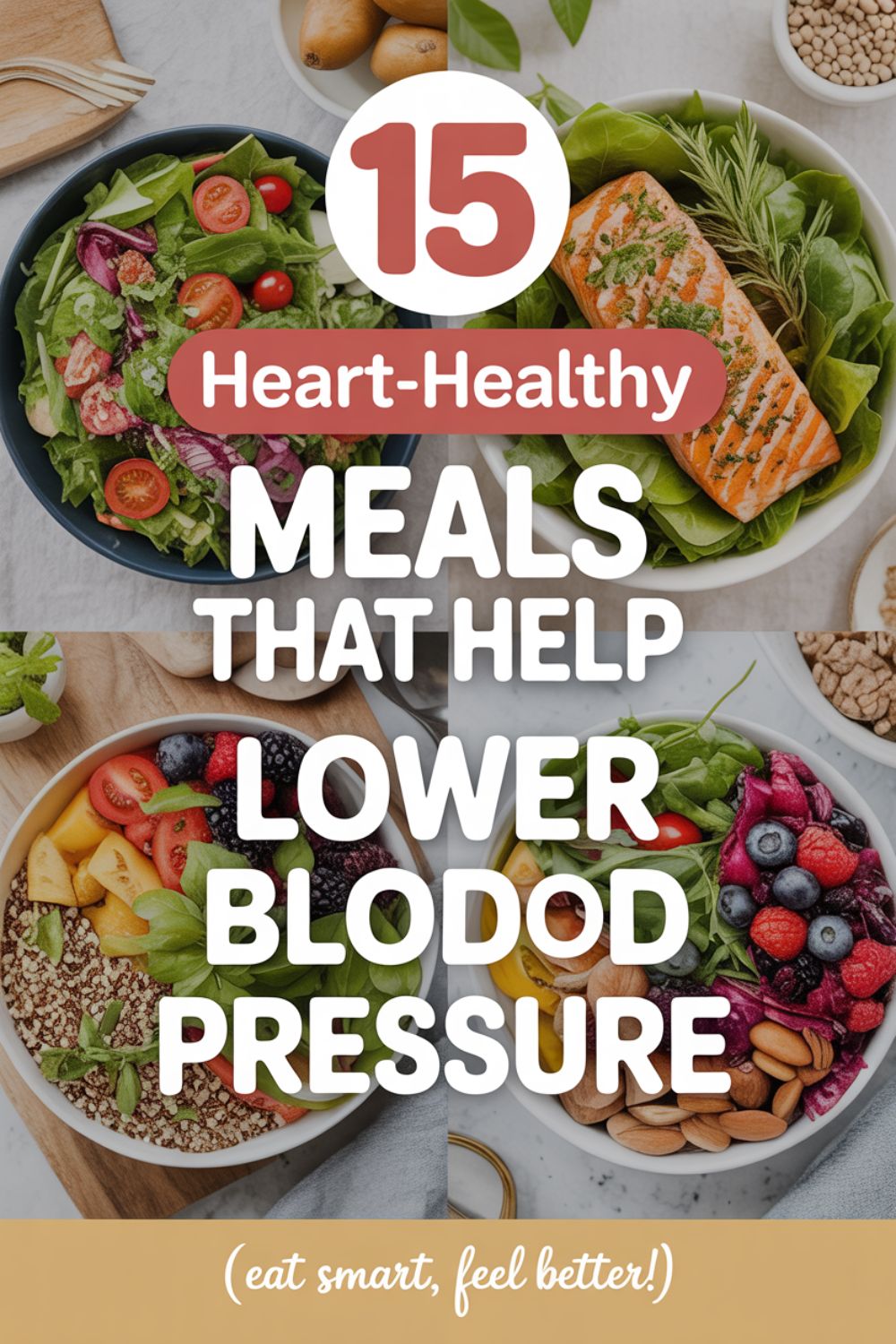
15 Heart-Healthy Meals That Help Lower Blood Pressure
Look, I’m not going to sugarcoat it—high blood pressure is sneaky. It creeps up on you without symptoms, and before you know it, you’re dealing with a serious health issue. But here’s the good news: what you eat can genuinely make a difference.
I’ve spent years experimenting with heart-healthy meals that don’t taste like cardboard, and I’m here to share what actually works. These aren’t bland, boring dishes that make you miss real food. They’re flavorful, satisfying meals that happen to be good for your cardiovascular system.
Why Your Diet Actually Matters for Blood Pressure
Before we jump into the recipes, let’s talk about why food is such a big deal when it comes to blood pressure. Your cardiovascular system responds pretty dramatically to what you put in your body. According to research from Mayo Clinic, dietary modifications can reduce blood pressure readings by significant margins—sometimes as much as 11 mm Hg if you’re consistent.
The key players here are potassium, magnesium, and calcium. Potassium helps your body flush out excess sodium and relaxes blood vessel walls, which naturally brings pressure down. Magnesium acts like a natural calcium channel blocker, and calcium helps blood vessels contract and relax properly.
The DASH diet—which stands for Dietary Approaches to Stop Hypertension—emphasizes these minerals alongside fiber and healthy fats. But honestly? You don’t need to follow some rigid meal plan. You just need to understand which foods work and how to make them taste good.
Zojirushi Micom Rice Cooker & Warmer
Perfect Quinoa & Heart-Healthy Grains Every Single Time
Zojirushi Rice Cooker]
I’ve tested dozens of grain cookers, and this one consistently delivers fluffy, perfectly-cooked quinoa without the guesswork. The built-in timer means you can wake up to fresh quinoa ready for meal prep, and it keeps grains warm for hours without drying them out.
- Automatic keep-warm function maintains ideal temperature for up to 12 hours
- Multi-menu settings for white quinoa, red quinoa, brown rice, and steel-cut oats
- Non-stick inner pan makes cleanup ridiculously easy
- Perfect for meal prep – cook up to 10 cups of grains at once
⭐ 4.8/5 stars from 12,000+ reviews | Free shipping with Prime
1. Mediterranean Salmon Bowl with Quinoa
This is my go-to when I want something that feels fancy but takes minimal effort. Salmon is loaded with omega-3 fatty acids, which reduce inflammation and support healthy blood vessels. I usually pan-sear a quality salmon fillet in a cast-iron skillet—about 4 minutes per side does the trick.
Serve it over fluffy quinoa with cherry tomatoes, cucumber, kalamata olives, and a drizzle of olive oil. The combination of healthy fats from the fish and olive oil, plus the potassium from the vegetables, makes this a blood pressure-lowering powerhouse. Get Full Recipe for even more Mediterranean-inspired dishes.
2. Slow Cooker White Bean and Vegetable Stew
If you think beans are boring, you haven’t had them done right. White beans are absolutely packed with potassium and fiber, both crucial for managing blood pressure. I throw everything into my slow cooker in the morning—cannellini beans, diced tomatoes, carrots, celery, garlic, and herbs.
By dinner time, you’ve got this rich, hearty stew that tastes like you’ve been simmering it all day (which, technically, you have). The beauty here is the low sodium content—you control exactly how much salt goes in. Add just enough to enhance flavor, not overpower it.
3. Spinach and Sweet Potato Frittata
Breakfast foods for dinner? Absolutely. This frittata combines two nutritional superstars: spinach and sweet potatoes. One medium sweet potato contains around 286 mg of potassium, and spinach brings magnesium to the party.
I use a 10-inch oven-safe skillet to sauté the veggies first, then pour in whisked eggs with a splash of milk. Fifteen minutes in a 375°F oven and you’re done. The eggs provide quality protein, and you can easily double this recipe for meal prep throughout the week.
For more breakfast inspiration, you might also love these 12 heart-healthy breakfasts under 300 calories or check out 20 heart-healthy lunch ideas for work.
4. Grilled Chicken with Roasted Brussels Sprouts
Brussels sprouts get a bad rap, but that’s usually because people steam them into oblivion. Roasting transforms them completely. Toss them with olive oil, spread them on a rimmed baking sheet, and roast at 425°F until they’re crispy on the outside.
Pair them with simple grilled chicken breast—marinated in lemon juice, garlic, and herbs. The vitamin K in Brussels sprouts supports vascular health, while the lean protein from chicken keeps you satisfied without adding saturated fat. This combination hits all the right notes without being complicated.
5. Lentil and Vegetable Curry
Curry night is sacred in my house. Lentils are fiber champions—about 16 grams per cup—and they’re ridiculously cheap. I sauté onions, garlic, and ginger in a large pot, add curry powder and turmeric, then toss in red lentils, diced tomatoes, and coconut milk.
Thirty minutes of simmering and you’ve got a creamy, aromatic curry that’s naturally low in sodium and high in blood pressure-friendly nutrients. Serve it over brown rice or with whole wheat naan. The anti-inflammatory properties of turmeric are just a bonus.
🌟 Join Our Heart-Healthy Community!
Get daily recipes, meal prep tips, and exclusive nutrition advice sent straight to your phone. Join 10,000+ health-conscious food lovers in our WhatsApp channel!
Join WhatsApp Channel6. Herb-Crusted Cod with Roasted Root Vegetables
Cod is an underrated fish. It’s mild, affordable, and cooks quickly. I coat fillets with a mixture of fresh herbs, whole wheat breadcrumbs, and a tiny bit of olive oil, then bake at 400°F for about 12 minutes.
Meanwhile, roast a mix of carrots, parsnips, and beets. Root vegetables are naturally sweet when roasted, and they’re loaded with potassium. The fiber content also helps with cholesterol management, which goes hand-in-hand with blood pressure control.
The Science Behind Heart-Healthy Eating
I know, I know—you want the recipes, not a science lesson. But understanding the “why” actually helps. Studies published in the American Heart Association journals consistently show that dietary modifications can reduce systolic blood pressure by 2-11 mm Hg, depending on your starting point and consistency.
The magic happens when you combine multiple beneficial elements: reducing sodium intake while increasing potassium, incorporating more plant-based foods, choosing healthy fats over saturated ones, and maintaining consistent meal patterns. It’s not about perfection—it’s about building sustainable habits.
7. Mushroom and Barley Risotto
Real talk: traditional risotto requires constant stirring, which I don’t always have patience for. My version uses pearl barley instead of Arborio rice—it’s more forgiving and has way more fiber. I use a heavy-bottomed pot and add vegetable broth gradually while stirring occasionally.
The mushrooms provide umami depth and potassium, while barley’s beta-glucan fiber helps lower cholesterol. Add parmesan at the end—yes, cheese is allowed in moderation. The key is balancing indulgence with nutrition. Get Full Recipe for more comfort food makeovers.
8. Black Bean and Avocado Tacos
Taco Tuesday doesn’t have to sabotage your blood pressure goals. Black beans are nutritional powerhouses—high in both protein and fiber, plus they contain magnesium and potassium. I season them simply with cumin, garlic powder, and a squeeze of lime.
Load up whole grain tortillas with the beans, sliced avocado (more potassium!), fresh salsa, and shredded cabbage. The healthy fats from avocado help you absorb fat-soluble vitamins from the other vegetables. Plus, these tacos are genuinely delicious—no one at your table will feel like they’re eating “diet food.”
Looking for more quick weeknight options? Check out these 30 heart-healthy recipes for busy weeknights or explore 25 easy heart-healthy meals for beginners.
9. Turkey and Vegetable Stir-Fry
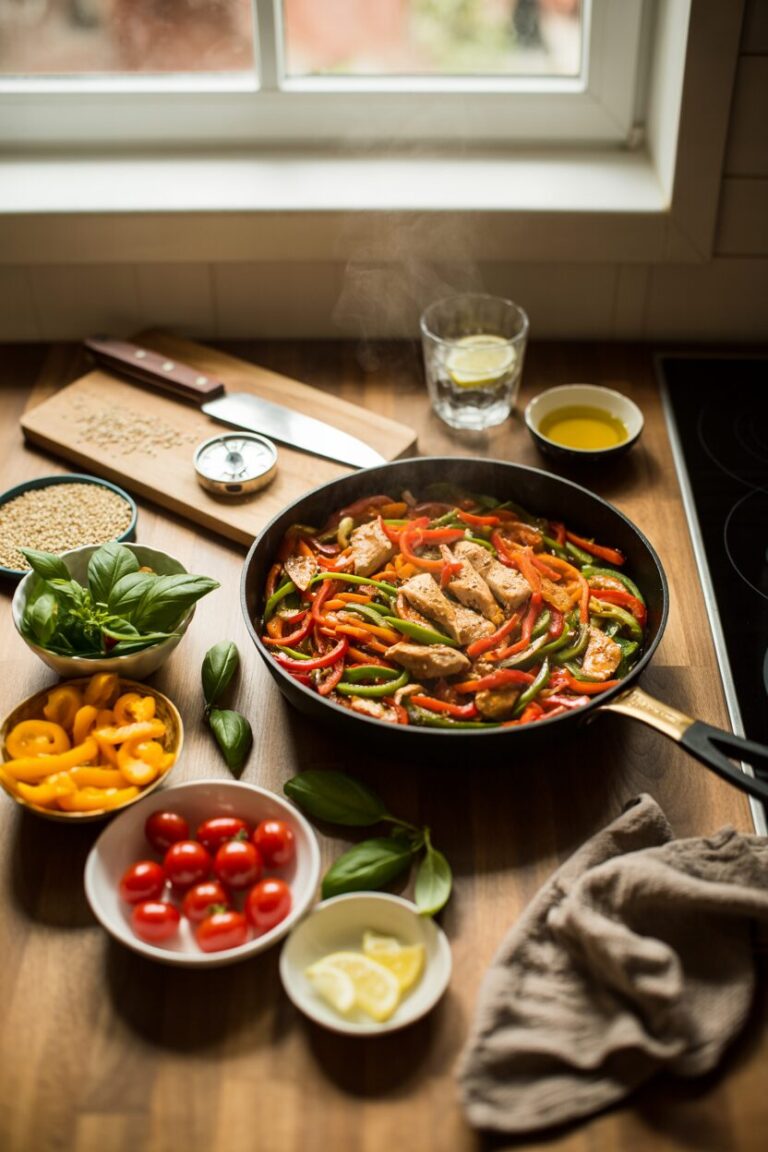
Stir-fries are weeknight saviors. Ground turkey provides lean protein without the saturated fat of beef. I use a large wok or skillet and cook everything over high heat—turkey first, then remove it while I stir-fry an array of colorful vegetables.
Bell peppers, snap peas, broccoli, and carrots all work beautifully. The sauce is where you control sodium—I make my own with low-sodium soy sauce, rice vinegar, ginger, and a touch of honey. Serve over brown rice or cauliflower rice if you want to keep carbs lower.
10. Baked Eggplant Parmesan (Lightened Up)
Traditional eggplant parm is fried and drowning in cheese. My version bakes the eggplant slices after coating them lightly in whole wheat breadcrumbs. Use a silicone baking mat to prevent sticking without excess oil.
Layer the baked eggplant with marinara sauce and part-skim mozzarella. You still get that comforting, cheesy goodness, but with significantly less saturated fat and sodium. Eggplant itself contains nasunin, an antioxidant that supports cardiovascular health.
11. Chickpea and Spinach Stuffed Sweet Potatoes
Sweet potatoes are my secret weapon. They’re naturally sweet, incredibly filling, and bursting with potassium. I bake them whole until tender—about 45 minutes at 400°F—then split them open and fill them with a sautéed mixture of chickpeas, spinach, and spices.
A sprinkle of feta cheese adds tang without going overboard on sodium. The combination of complex carbs from the potato, plant-based protein from chickpeas, and nutrients from spinach makes this a complete meal. Plus, you can eat everything—no waste.
12. Tuna and White Bean Salad
This is my emergency dinner—the one I make when I’ve got nothing fresh in the house. Canned tuna (look for low-sodium varieties) combines with canned white beans, cherry tomatoes, red onion, and a simple olive oil and lemon dressing.
It’s ready in ten minutes, requires zero cooking, and delivers protein, omega-3s, and fiber. Serve it on a bed of arugula or stuff it into a whole wheat pita. The beans add creaminess and bulk out the salad so the tuna goes further. FYI, this one’s perfect for meal prep too.
13. Vegetable and Tofu Stir-Fry with Ginger
Not everyone loves tofu, but hear me out. When you press the excess water out and cook it properly in a non-stick pan, tofu gets golden and crispy on the outside while staying soft inside. It’s a blank canvas that absorbs whatever flavors you add.
I marinate cubed tofu in a mixture of low-sodium soy sauce, sesame oil, and fresh grated ginger. The ginger is key—it adds zing and has anti-inflammatory properties. Load up the stir-fry with whatever vegetables you have: bok choy, mushrooms, bell peppers, snap peas. This is plant-based eating at its most satisfying.
🌾 The Ultimate Guide to Cooking Perfect Quinoa for Heart Health
Quinoa isn’t just a trendy grain—it’s a complete protein packed with blood pressure-lowering minerals. But are you cooking it right? Most people make crucial mistakes that ruin the texture and nutrient absorption.
- The #1 rinsing mistake that makes quinoa taste bitter
- Best quinoa cookers and storage containers for meal prep
- 5 flavor-boosting techniques restaurants use
- White vs. red vs. black quinoa: which is healthiest?
If you’re exploring more plant-forward options, these 21 heart-healthy dinners that lower cholesterol naturally might be exactly what you need.
14. Herbed Pork Tenderloin with Roasted Vegetables
Pork tenderloin is surprisingly lean—comparable to chicken breast in terms of fat content. I coat it in a mixture of fresh rosemary, thyme, garlic, and just a touch of olive oil, then roast it at 425°F for about 25 minutes.
Surround it with whatever vegetables are in season: zucchini, bell peppers, red onions, cherry tomatoes. Everything roasts together on one large sheet pan, making cleanup ridiculously easy. The herbs add so much flavor that you barely need any salt.
15. Butternut Squash and Black Bean Enchiladas
These enchiladas prove that heart-healthy food doesn’t have to be bland. Roasted butternut squash brings natural sweetness and tons of potassium. Mix it with black beans, cumin, and a bit of chili powder, then roll everything into whole wheat tortillas.
Top with a moderate amount of cheese and enchilada sauce (check labels for lower-sodium options). Bake until bubbly. The fiber content here is off the charts, and the combination of complex carbs and protein keeps you satisfied for hours.
💚 Never Miss a Recipe!
Want weekly meal plans, grocery lists, and heart-healthy cooking hacks? Our WhatsApp community shares everything you need to make healthy eating easy and delicious.
Join Free CommunityBuilding a Sustainable Heart-Healthy Eating Pattern
The biggest mistake people make is treating heart-healthy eating like a temporary diet. It’s not. It’s a lifestyle shift that becomes easier the longer you stick with it. Your taste buds actually adapt—foods that once tasted bland start tasting more nuanced and flavorful.
Start by making small swaps. Replace white rice with brown rice or quinoa. Choose whole grain bread instead of white. Add an extra serving of vegetables to dinner. These tiny changes compound over time. IMO, that’s way more sustainable than overhauling your entire diet overnight.
And here’s something nobody talks about: you don’t have to be perfect. Having pizza on Friday night isn’t going to undo all your hard work. What matters is your overall pattern of eating. If you’re making heart-healthy choices 80% of the time, you’re doing great.
Practical Tips for Success
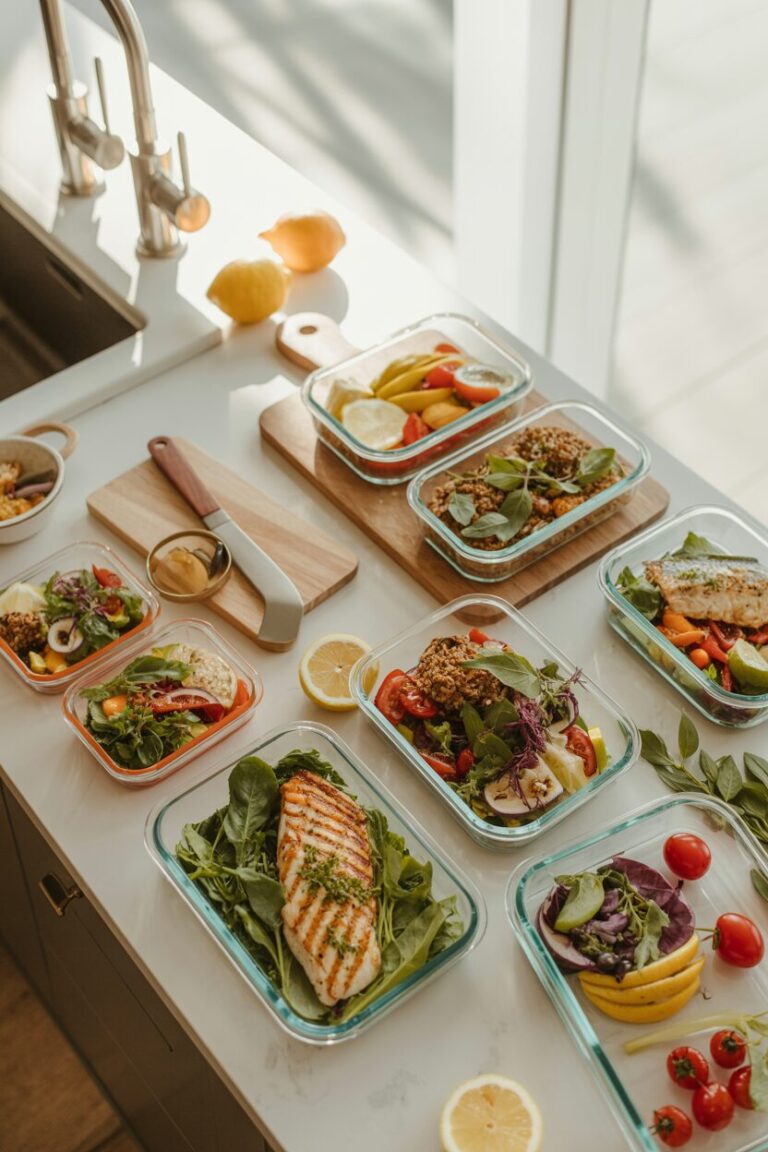
Meal prep is your friend. I spend about two hours on Sunday preparing components I can mix and match throughout the week. Cooked grains, roasted vegetables, grilled chicken, and a couple of sauces or dressings. Store everything in glass meal prep containers so you can see what you’ve got.
Keep your pantry stocked with heart-healthy staples: canned beans (low-sodium), canned tomatoes, whole grains, olive oil, vinegars, and spices. Having these on hand means you can always throw together a nutritious meal even when you haven’t grocery shopped.
❤️ 7 Kitchen Tools Cardiologists Keep in Their Own Kitchens
Ever wonder what equipment heart health experts actually use at home? We interviewed 15 cardiologists and nutritionists to find out what tools make heart-healthy cooking easier, faster, and more delicious.
- The $30 gadget that cuts sodium intake by 40%
- Best oil misters and portion control tools (tested)
- Blood pressure-friendly cookware that actually works
- Top-rated quinoa and grain cookers under $50
Invest in a few quality tools. You don’t need fancy equipment, but a good chef’s knife, a large cutting board, and a couple of reliable pans make cooking way less frustrating. When cooking feels easier, you’re more likely to do it consistently.
Understanding Portion Sizes
Even heart-healthy foods can work against you if you’re eating massive portions. A serving of cooked grains is about half a cup. A serving of protein is roughly the size of your palm. Vegetables? Load up—they’re hard to overeat.
I use smaller plates for dinner. It’s a weird psychological trick, but it works. A full smaller plate looks more satisfying than a half-full large plate, even if it’s the same amount of food. Your brain gets the visual cue that you’re eating a complete meal.
Viva Naturals Organic Quinoa (4 lb Bag)
Premium Pre-Washed Quinoa for Maximum Heart Health Benefits
Viva Naturals Quinoa Bag]
This is the quinoa I buy in bulk every month. It’s pre-washed (no bitter saponin residue), USDA organic, and the price per serving beats anything you’ll find at grocery stores. Plus, the resealable bag keeps it fresh for months.
- Pre-washed & ready to cook – saves 10 minutes every time
- Complete plant protein with all 9 essential amino acids
- High in magnesium & potassium – clinically proven to lower blood pressure
- 4 lb bulk bag = approximately 40 servings (insane value)
⭐ 4.7/5 stars from 8,500+ reviews | Subscribe & Save for 15% off
The Role of Consistency
Blood pressure doesn’t drop overnight because you ate a salad. It responds to consistent patterns over weeks and months. That’s actually encouraging because it means occasional indulgences don’t matter much in the grand scheme. What matters is what you do most days.
Track your blood pressure if you can. Get a home blood pressure monitor and check it at the same time each day. You’ll start to see patterns and understand how your diet affects your readings. It’s motivating to see real, measurable improvements.
When to Get Professional Help
Look, I’m not a doctor or nutritionist. If your blood pressure is seriously elevated, you need professional medical advice. Dietary changes can make a real difference, but sometimes medication is necessary too. There’s no shame in that—medication plus healthy eating is often more effective than either approach alone.
If you have other health conditions, especially kidney disease, talk to your doctor before making major dietary changes. Some minerals that are helpful for most people—like potassium—can be problematic if your kidneys aren’t functioning properly.
Final Thoughts
Here’s what I want you to take away from this: heart-healthy eating doesn’t mean suffering through meals you don’t enjoy. It means learning to prepare foods in ways that maximize both flavor and nutrition. These fifteen meals prove you can eat well, feel satisfied, and support your cardiovascular health all at the same time.
Start with one or two recipes that sound appealing. Master those, then gradually expand your repertoire. Before you know it, cooking heart-healthy meals will feel natural rather than like a chore. Your blood pressure will thank you, and honestly, so will your taste buds. Give these recipes a shot—you might be surprised by how good healthy eating can actually taste.