14 Heart-Healthy Slow Cooker Meals
Your heart deserves better than another takeout container, and your schedule deserves better than a three-hour cooking marathon. That’s where slow cookers swoop in like the kitchen hero nobody talks about enough.

Look, I get it. When someone mentions “heart-healthy meals,” your brain probably conjures up images of bland chicken breasts and sad steamed vegetables that taste like disappointment. But here’s the thing—cooking for your heart doesn’t mean sacrificing flavor or spending your entire evening hovering over a hot stove.
Slow cookers have this almost magical ability to transform simple, wholesome ingredients into meals that actually make you excited for dinner. The American Heart Association recommends focusing on whole foods, lean proteins, and plenty of vegetables—exactly the kind of stuff that thrives in a slow cooker.
I’ve spent the last few years testing out slow cooker recipes, and honestly? Some of my best culinary victories have come from throwing ingredients into a good 6-quart slow cooker in the morning and coming home to something that smells absolutely incredible. No babysitting required, no last-minute panic about what’s for dinner.
Why Slow Cookers Are Actually Heart Heroes
Before we jump into the recipes, let’s talk about why your slow cooker might be one of the best investments for your cardiovascular health. And no, I’m not just saying that because I’m a fan—there’s actual science backing this up.
First off, slow cooking preserves nutrients better than high-heat methods. When you blast food at high temperatures, you’re not just cooking it—you’re destroying valuable vitamins and minerals in the process. Slow cookers operate at lower temperatures (usually around 200-300°F), which means those nutrients stick around where they belong.
Plus, slow cooking in liquid helps reduce the formation of AGEs—advanced glycation end products—which are compounds linked to inflammation and heart disease. When you grill or broil meat at high heat, you create way more of these nasty compounds. Slow cooking can reduce them by up to 50%, according to research on heart-healthy cooking methods.
Another huge benefit? Slow cookers let you use cheaper cuts of meat, which are often leaner. That tough chuck roast that seems impossible to chew when pan-fried? Give it six hours in a slow cooker with some vegetables and broth, and it becomes melt-in-your-mouth tender without needing loads of added fat.
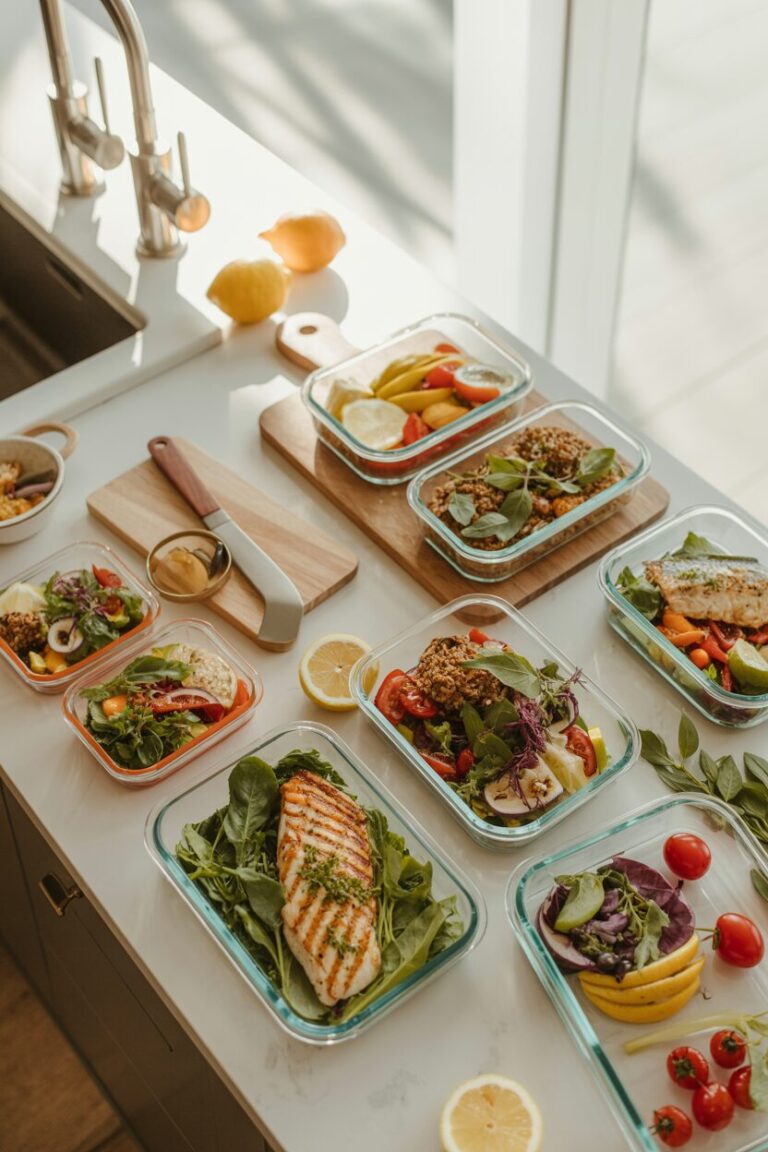
Prep your vegetables on Sunday night. Chop everything, store them in containers, and thank yourself all week when you’re just dumping and going. Game changer.
I particularly love using these glass meal prep containers to keep everything organized. They stack nicely in the fridge and you can see exactly what you’ve got ready to go.
Hamilton Beach Programmable 6-Quart Slow Cooker
This is the slow cooker I use almost daily. The programmable timer means it automatically switches to warm mode when cooking is done—no more overcooked mush when you’re stuck in traffic. The 6-quart size is perfect for families or meal prep, and the ceramic insert is dishwasher safe (because who wants to scrub a slow cooker at 9 PM?).
- Set it and actually forget it with the auto-switch feature
- Clear glass lid so you can check without lifting
- Stays cool on the outside—safe around kids and pets
The Basics: Setting Up for Success
Here’s the deal with slow cooking—it’s almost foolproof, but there are a few tricks that’ll take your meals from “pretty good” to “why haven’t I been doing this forever?”
Layer Like You Mean It
Vegetables go on the bottom, always. They take longer to cook than meat, and they need to be closest to the heat source. Root vegetables like carrots, potatoes, and parsnips especially benefit from this placement. I learned this the hard way after biting into a crunchy carrot in what was supposed to be a tender stew.
Meat goes on top. It’ll release juices as it cooks, which cascade down and flavor everything below. It’s basically self-basting, which is why slow cooker meals often taste so rich without needing tons of added fat or salt.
Liquid Matters (But Not Too Much)
Unlike stovetop cooking where liquids evaporate, slow cookers trap moisture. You need way less liquid than you think—usually about half of what a traditional recipe calls for. Too much liquid and you’ll end up with soup when you wanted stew. Not enough, and things might dry out or burn.
For most recipes, I aim for liquid to come about halfway up the ingredients. If you’re making something intentionally brothy, obviously use more. But for general cooking? Less is more.
Brown Your Meat (When You Have Time)
Okay, this is technically optional, but hear me out. Taking five minutes to brown your meat in a good cast iron skillet before it hits the slow cooker adds a depth of flavor that’s worth those extra minutes. You’re creating those delicious brown bits through the Maillard reaction, which adds complexity to the final dish.
That said, if it’s 6 AM and you’re already running late? Skip it. The meal will still be delicious. The slow cooker police aren’t coming for you.
For more tips on building heart-healthy habits in your kitchen, check out these 10 heart-healthy habits that start in the kitchen.
14 Heart-Healthy Slow Cooker Meals That Actually Deliver
Alright, let’s get to the good stuff. These meals are designed to support your cardiovascular health without tasting like cardboard. They’re packed with fiber, lean protein, healthy fats, and all those good-for-you nutrients your heart craves.
1. Mediterranean Chicken with Olives and Tomatoes
This is my go-to when I want something that feels fancy but requires zero effort. Throw in chicken thighs (yes, thighs—they’re juicier and won’t dry out), cherry tomatoes, kalamata olives, garlic, and a splash of white wine. Let it do its thing for 4-6 hours on low.
The olives provide heart-healthy monounsaturated fats, while the tomatoes deliver lycopene, which has been linked to reduced cardiovascular risk. Serve it over some whole-grain couscous or quinoa, and you’ve got yourself a meal that’d cost $25 at a restaurant. Get Full Recipe.
Speaking of Mediterranean-inspired meals, if you love these flavors, you’ll want to try these 21 heart-healthy Mediterranean-style dinners for more variety throughout the week.
2. Turkey and White Bean Chili
Chili gets a bad rap for being heavy and greasy, but this version is neither. Ground turkey keeps it lean, while white beans (or cannellini beans if you’re feeling fancy) add fiber and plant-based protein. The combo of cumin, chili powder, and a touch of cocoa powder creates this incredible depth that makes people ask for the recipe every single time.
I use this spice grinder to freshen up my spices, and honestly, it makes such a difference in the final flavor. Freshly ground cumin is a completely different beast than the pre-ground stuff that’s been sitting in your cabinet since 2019.
3. Lentil and Vegetable Curry
If you’re looking for a plant-based option that’s still hearty and satisfying, this is it. Lentils are nutritional powerhouses—high in fiber, protein, iron, and folate. They’re also ridiculously cheap, which is always a bonus.
Combine red or brown lentils with diced tomatoes, coconut milk (use the light version if you’re watching saturated fat), curry powder, turmeric, and whatever vegetables you have on hand. Carrots, sweet potatoes, and cauliflower work particularly well. The result is creamy, warming, and absolutely delicious over brown rice.
The turmeric in this dish isn’t just for color—it contains curcumin, a compound with anti-inflammatory properties that may benefit heart health. Plus, it tastes amazing, which is really what matters most.
Looking for more plant-based inspiration? These recipes pair beautifully with this curry:
4. Beef and Barley Stew
This is comfort food that doesn’t hate your arteries. Use a lean cut of beef like sirloin or round, and trim any visible fat before cutting it into cubes. Barley is the secret star here—it’s a whole grain that’s loaded with beta-glucan, a type of soluble fiber that helps lower cholesterol levels.
The beauty of barley in a slow cooker is how it soaks up all the flavors from the beef, vegetables, and herbs. It becomes tender but maintains this wonderful chewy texture that makes the stew feel substantial. I add plenty of carrots, celery, mushrooms, and fresh thyme.
5. Salmon and Vegetable Packets (Yes, in a Slow Cooker)
Okay, this one’s a bit unconventional, but stick with me. Salmon is one of the best things you can eat for your heart, thanks to those omega-3 fatty acids. But cooking it in a slow cooker seems weird, right?
Here’s the trick: make packets with parchment paper or foil. Place salmon fillets on the paper, top with sliced lemon, asparagus, cherry tomatoes, and a drizzle of olive oil. Fold into packets, place them in your slow cooker with about an inch of water on the bottom, and cook on low for 1-2 hours. The result is perfectly steamed, flaky salmon that’s so tender it falls apart.
Pro tip: use parchment paper sheets specifically made for cooking. They’re pre-cut and won’t catch fire or react with acidic ingredients.
Buy frozen salmon fillets in bulk. They’re cheaper, still super nutritious, and you can throw them straight into your packets without thawing. Time saver and money saver in one.
6. Vegetable Minestrone with Whole Grain Pasta
Minestrone is basically vegetable soup’s cool, more interesting cousin. It’s packed with fiber-rich vegetables, beans, and whole grain pasta. The key is adding the pasta in the last 30 minutes of cooking so it doesn’t turn to mush. Nobody wants mushy pasta, I don’t care how convenient slow cooking is.
I typically use whatever vegetables are lurking in my crisper drawer—zucchini, carrots, celery, green beans, spinach. Then add cannellini beans for protein and creaminess, plus a can of diced tomatoes. Season with Italian herbs, garlic, and a parmesan rind if you’ve got one (this adds incredible depth of flavor).
Looking for more heart-healthy soup options? These 12 heart-healthy soups for cold days will keep you warm and satisfied all season long.
7. Pulled Chicken Tacos with Black Beans
These are so easy it almost feels like cheating. Throw chicken breasts, a jar of salsa (look for low-sodium versions), cumin, and chili powder into your slow cooker. Cook on low for 6 hours. Shred the chicken with two forks right in the cooker. Done.
Serve in whole grain tortillas with black beans, avocado, cilantro, and a squeeze of lime. The black beans add fiber and plant protein, while the avocado provides those heart-healthy monounsaturated fats. Plus, these tacos are infinitely customizable based on what you like or have on hand.
8. Moroccan-Style Chickpea Stew
This stew is vibrant, aromatic, and completely plant-based. Chickpeas are the protein hero, combined with sweet potatoes, tomatoes, and a blend of warm spices like cinnamon, cumin, paprika, and a pinch of cayenne.
The cinnamon might seem odd in a savory dish, but trust me on this. It adds this subtle sweetness and warmth that makes the whole thing incredibly comforting. Serve it over quinoa or with some whole grain pita on the side. I often top mine with a dollop of Greek yogurt and fresh mint.
This pairs wonderfully with these 18 heart-healthy snacks to eat daily for a complete, nutrition-packed day.
9. Pork Tenderloin with Apples and Onions
Pork tenderloin is actually one of the leanest cuts of meat you can buy, which surprises a lot of people. It’s almost as lean as chicken breast but with way more flavor, IMO. The combination of pork with sweet apples and caramelized onions is classic for a reason—it just works.
Use tart apples like Granny Smith so they don’t turn to complete mush. Slice them and layer them with sliced onions around the pork. Add a splash of apple cider or broth, some fresh thyme, and maybe a teaspoon of Dijon mustard. The apples release their juices and create this incredible sweet-savory sauce that’s good enough to drink with a spoon (not that I’ve done that… multiple times).
10. Split Pea Soup with Ham
Split pea soup is the definition of humble ingredients creating something spectacular. Dried split peas, a ham bone or some diced ham, carrots, celery, onions, and garlic. That’s it. But somehow it becomes this thick, creamy, deeply satisfying soup that tastes like someone’s grandma made it with love.
Split peas are packed with fiber and protein, and they help lower cholesterol levels. If you’re trying to keep the sodium in check (which you should be for heart health), use a low-sodium ham or even skip the meat entirely and use smoked paprika for that smoky flavor instead.
I keep an immersion blender handy for this one. Blend part of the soup at the end to make it extra creamy without adding any cream. Works like magic.
OXO Good Grips 3-Piece Freezer-Safe Container Set
If you’re serious about meal prep, these containers are worth every penny. I’ve tried the cheap ones, and they crack, leak, and make everything taste like plastic. These OXO containers are airtight, freezer-safe, microwave-safe, and they’ve survived years of weekly use without a single crack. The silicone gaskets actually keep liquids from leaking (revolutionary, I know).
- Freezing pre-prepped slow cooker meals
- Storing leftovers without mystery smells
- Stacking efficiently—they nest when empty
If you love hearty, satisfying meals like this, don’t miss:
11. Quinoa and Black Bean Stuffed Peppers
Stuffed peppers in a slow cooker might sound weird, but it’s actually perfect. You don’t have to pre-cook the filling or even hollow out the peppers super precisely. Just cut the tops off, remove the seeds, stuff them with a mixture of cooked quinoa, black beans, diced tomatoes, corn, and spices, then nestle them in the slow cooker with a little broth at the bottom.
The peppers steam and soften while the filling stays moist and flavorful. Top with a bit of cheese in the last 30 minutes if you want, though they’re honestly great without it. These are especially good for meal prep—make a batch on Sunday and reheat throughout the week. Get Full Recipe.
12. Thai-Inspired Coconut Curry with Shrimp
This one comes together so quickly you’ll think you’re doing something wrong. Coconut milk (use light for fewer calories), red curry paste, fish sauce, lime juice, and whatever vegetables you like—bell peppers, snap peas, bamboo shoots. Cook on low for 3-4 hours.
Add the shrimp in the last 30 minutes—seriously, that’s all they need. Any longer and they’ll turn rubbery. Shrimp is another great source of lean protein and omega-3s, though not as high as fatty fish like salmon. Serve over brown rice or cauliflower rice, garnish with fresh basil and cilantro, and try not to eat the entire pot in one sitting.
I get my shrimp from this sustainable seafood delivery service because they’re already peeled and deveined. One less step in prep is always a win.
13. Turkey Meatballs in Marinara
Meatballs are the ultimate comfort food, but they don’t have to be a cardiovascular disaster. Use ground turkey (93% lean works great), mix with breadcrumbs, egg, garlic, Italian herbs, and a bit of grated parmesan. Form into balls and nestle them into your slow cooker.
Pour marinara sauce over the top—look for one without added sugar or make your own by blending canned tomatoes with garlic, basil, and oregano. Cook on low for 4-5 hours. The meatballs stay tender and absorb all those tomato flavors. Serve over whole wheat pasta or zucchini noodles, or stuff them into a whole grain sub roll for meatball sandwiches.
According to the DASH eating plan, meals like this that are high in lean protein and vegetables while being lower in saturated fat can help manage blood pressure effectively.
14. Butternut Squash and Lentil Dal
Dal is an Indian comfort food that’s naturally heart-healthy, inexpensive, and absolutely delicious. This version combines red lentils with butternut squash, onions, garlic, ginger, turmeric, cumin, and coriander. The lentils break down and create this thick, creamy texture without any cream.
The butternut squash adds natural sweetness and tons of vitamin A, fiber, and potassium. Cook on low for 6-8 hours until everything is soft and the flavors have melded. Finish with a squeeze of lemon juice and fresh cilantro. Serve with brown rice or naan (whole wheat if you can find it).
I use this ginger grater for fresh ginger because it’s so much easier than trying to mince that fibrous stuff with a knife. Life’s too short for ginger-related frustrations.
Make double batches and freeze half. Most of these slow cooker meals freeze beautifully. Portion them into individual servings using freezer-safe containers, label with the date, and you’ve got healthy meals ready for those nights when cooking feels impossible.
Making It Work for Your Life
The biggest challenge with healthy eating isn’t usually the cooking itself—it’s the planning and consistency. Slow cookers remove so much of that friction because you can prep everything the night before, refrigerate it in the slow cooker insert (if it’s ceramic and removable), and then just pop it in the base in the morning. Set it and go.
I know some people worry about leaving appliances on all day, but modern slow cookers are designed for exactly that. They’re insulated, regulated, and safe. If you’re still nervous, invest in a programmable slow cooker that switches to “warm” after the cooking time is done, or one with a timer so it doesn’t even turn on until a few hours after you leave.
Another tip: theme your weeks. Monday is chicken, Tuesday is beans/lentils, Wednesday is fish, Thursday is turkey or pork, Friday is whatever sounds good. Having a loose structure makes grocery shopping easier and reduces that “what the heck should I make” decision fatigue.
If you’re trying to lower your cholesterol specifically, check out these 25 low-cholesterol meals doctors actually recommend and these 21 heart-healthy dinners that lower cholesterol naturally.
Customizing for Your Heart Health Goals
Not all heart health concerns are the same. Maybe you’re focused on lowering blood pressure, or perhaps it’s cholesterol that needs attention. Maybe you’re just trying to eat better overall. The beauty of these slow cooker meals is that they’re easily adaptable.
For Lower Blood Pressure
Focus on reducing sodium. Use fresh herbs and spices instead of salt, choose low-sodium or no-salt-added canned goods, and skip the pre-made sauce packets that are sodium bombs. Load up on potassium-rich ingredients like sweet potatoes, beans, spinach, and tomatoes. These help counteract the effects of sodium on blood pressure.
For more guidance on this, these 15 heart-healthy meals that help lower blood pressure and 15 low-sodium dinners that still taste amazing are incredibly helpful.
For Lower Cholesterol
Emphasize soluble fiber from oats, barley, beans, and lentils. Add more fatty fish like salmon and mackerel for omega-3s. Use olive oil instead of butter or other saturated fats. Include nuts and seeds when appropriate—they’re full of heart-healthy fats that can actually improve your cholesterol profile.
The American Heart Association recommends limiting saturated fat to less than 6% of total daily calories, which these recipes naturally support when you focus on lean proteins and plant-based ingredients.
For Overall Heart Health
Aim for variety. The Mediterranean diet is consistently ranked as one of the best for heart health because it emphasizes vegetables, fruits, whole grains, legumes, nuts, fish, and olive oil. These slow cooker meals naturally align with those principles when you focus on real, minimally processed ingredients.
If you’re over 40 and looking for recipes specifically tailored to your needs, these 30 heart-healthy recipes for women over 40 are worth checking out.
Common Slow Cooker Mistakes (and How to Avoid Them)
Even though slow cookers are pretty forgiving, there are a few common pitfalls that can mess up an otherwise great meal.
Opening the Lid Too Much
Every time you lift that lid, you’re letting out heat and steam, which means you’re adding 15-20 minutes to your cooking time. It’s tempting to check on things, especially when your kitchen smells amazing, but resist. Trust the process. If you really need to peek, do it quickly and only once.
Not Using Enough Seasoning
Slow cooking can mellow out flavors, which means you need to season more boldly than you would with other cooking methods. Don’t be shy with herbs, spices, and aromatics. I usually add about 50% more seasoning than a regular recipe calls for, then taste and adjust at the end if needed.
Overfilling or Underfilling
Your slow cooker should be between half and three-quarters full for optimal results. Too full and things won’t cook evenly. Too empty and everything might dry out. If you’re halving a recipe, consider using a smaller slow cooker if you have one, or just accept that it might be done a bit faster.
Adding Dairy Too Early
Milk, cream, cheese, and yogurt can curdle or separate if cooked for too long. Always add these in the last 30 minutes to an hour of cooking. Same goes for fresh herbs like parsley, cilantro, or basil—they lose their flavor and turn brown if cooked all day. Dried herbs at the beginning, fresh herbs at the end.
Meal Prep Like a Pro
Want to take your slow cooker game to the next level? Prep multiple meals at once. Seriously, if you’re already chopping vegetables and portioning ingredients, why not do it for three or four meals instead of just one?
I use gallon-sized freezer bags and fill them with all the ingredients for one recipe—everything except the liquid. Label the bag with the recipe name, cooking time, and the amount of liquid to add. Stack them flat in your freezer. When you’re ready to cook, dump the frozen contents into your slow cooker, add the liquid, and go. It’s like having your own frozen meal service, but actually healthy and way cheaper.
Cuisinart Digital Programmable Slow Cooker with Timer
If you have an unpredictable schedule (who doesn’t?), this programmable slow cooker is a lifesaver. You can delay the start time by up to 8 hours, which means you can set it up before bed and have it start cooking while you’re at work. The digital display is clear and easy to use, and it has three heat settings plus an automatic warm function. I’ve had mine for four years and it’s still going strong.
- Delay timer so you’re not eating dinner at 3 PM
- Stays on warm for up to 8 hours after cooking
- Cool-touch handles and dishwasher-safe pot
Some meals I always have prepped and frozen: the white bean turkey chili, lentil curry, beef and barley stew, and the chickpea Moroccan stew. They’re all dump-and-go friendly, and they make weeknight dinners completely stress-free.
For more easy meal ideas, these 25 easy heart-healthy meals for beginners and 30 heart-healthy recipes for busy weeknights are perfect for getting started.
Real Talk: Does This Actually Work?
You might be wondering if cooking this way actually makes a difference for heart health, or if it’s just another wellness trend that sounds good in theory. Fair question.
Here’s what I know from both research and personal experience: eating more whole foods, lean proteins, vegetables, and fiber-rich grains while cutting back on processed foods, excess sodium, and saturated fats absolutely makes a difference. Studies consistently show this. The slow cooker is just a tool that makes these eating habits more sustainable and realistic.
I’ve heard from people in my community who’ve had real success with this approach. Sarah, who’s been following similar recipes for about three months, mentioned she’s lost 15 pounds without really trying and her last checkup showed improved cholesterol numbers. Mark said his blood pressure came down after consistently making heart-healthy slow cooker meals and cutting way back on takeout.
These aren’t magic recipes that’ll cure everything overnight, but they’re part of a bigger picture of taking care of yourself through food that actually tastes good. And that’s sustainable in a way that restrictive dieting never is.
Start with just one slow cooker meal per week. Don’t try to overhaul everything at once. Once that becomes easy and routine, add another. Small, consistent changes beat dramatic overhauls every single time.
Want daily tips, recipe swaps, and real talk about heart-healthy cooking? Join our free WhatsApp channel where we share quick wins, answer your questions, and keep each other motivated. No spam, just a supportive crew making healthy eating actually doable.
Beyond the Basics: Getting Creative
Once you’ve mastered these core recipes, start experimenting. The slow cooker is incredibly forgiving, which makes it perfect for culinary experimentation without much risk.
Try different spice blends from various cuisines—za’atar, garam masala, herbes de Provence, Chinese five-spice. Swap proteins—most of these recipes work with chicken, turkey, pork, or even tofu if you’re going plant-based. Change up the vegetables based on what’s in season or on sale.
One of my favorite modifications is adding unexpected vegetables. Fennel in the beef stew. Parsnips in the minestrone. Turnips in the split pea soup. These aren’t traditional, but they add interesting flavors and textures that keep meals from getting boring.
The Complete Slow Cooker Heart-Health Guide (eBook)
Ready to go deeper? This comprehensive eBook includes 100+ heart-healthy slow cooker recipes, detailed nutrition guides, and strategies for managing cholesterol and blood pressure through food. It’s like having a nutritionist and chef in your pocket.
- 100+ tested slow cooker recipes for every meal
- Complete guide to heart-healthy ingredients and substitutions
- Meal prep strategies and freezer-friendly tips
- Blood pressure and cholesterol management through diet
- Printable shopping lists and conversion charts
I also love playing with acidic ingredients at the end. A splash of balsamic vinegar, some lemon juice, or a spoonful of apple cider vinegar can brighten up a dish that tastes flat. Acid is what’s missing in a lot of slow cooker meals because you can’t reduce liquids the way you can on the stovetop.
Want more inspiration for quick, healthy dinners? Check out these resources:
→ 14 heart-healthy one-pan dinners
Making It Work for the Whole Family
If you’re cooking for others, especially kids or picky eaters, the slow cooker is actually your secret weapon. The long cooking time melds flavors in a way that makes vegetables less aggressively “vegetable-y” and more like just part of a cohesive dish.
My strategy with pickier eaters is to involve them in the prep. Let them add ingredients to the slow cooker, even if they wouldn’t normally eat those foods. There’s something about the ownership of helping make the meal that increases willingness to try it.
Also, serve new meals with something familiar. Made that Moroccan chickpea stew? Serve it with regular rice and maybe some pita bread they already like. The safety of familiar foods makes people more willing to try the new stuff.
21-Day Heart-Health Reset Challenge
Want accountability and structure? This guided challenge takes you through three weeks of heart-healthy eating with daily slow cooker recipes, educational content, and community support. Join hundreds who’ve lowered their cholesterol and blood pressure through this program.
- 21 days of slow cooker recipes with full meal plans
- Daily educational emails about heart health
- Access to private community group for support
- Progress tracking tools and worksheets
- Bonus: Quick reference guide for dining out heart-healthy
And honestly, if someone really hates a particular ingredient, just leave it out or let them pick around it. The goal is consistent healthy eating, not winning every single food battle. Flexibility is key.
For more family-friendly options, these 20 heart-healthy family meals everyone will eat are designed specifically with picky eaters in mind.
Frequently Asked Questions
Can I cook frozen meat in a slow cooker?
It’s not recommended from a food safety perspective. Frozen meat takes too long to reach a safe temperature in a slow cooker, which means it spends too much time in the “danger zone” where bacteria can multiply. Always thaw meat in the refrigerator before slow cooking. That said, small items like frozen shrimp or pre-cooked frozen meatballs are generally fine to add toward the end of cooking.
How long do slow cooker leftovers last in the fridge?
Most slow cooker meals will keep in the fridge for 3-4 days, just like any other leftovers. Make sure you’re storing them in airtight containers and cooling them to room temperature before refrigerating. If you’ve made a big batch, freeze the portion you won’t eat within that timeframe. Most of these meals freeze beautifully for up to 3 months.
Is it safe to leave a slow cooker on all day while I’m at work?
Yes, slow cookers are designed for exactly this purpose. They’re heavily insulated and regulated to maintain safe cooking temperatures. Just make sure your slow cooker is on a flat, heat-resistant surface away from anything flammable, and that the cord isn’t a tripping hazard. If you’re still nervous, newer models have programmable timers that automatically switch to “warm” after cooking.
Can I use a slow cooker to meal prep for the whole week?
Absolutely, and I highly recommend it. Make a big batch on Sunday, portion it into individual containers, and you’ve got lunches or dinners sorted. Just remember that most meals are best consumed within 3-4 days, so freeze anything you won’t eat by Thursday. The turkey chili, lentil curry, and soups all reheat beautifully.
Do I need to add water to my slow cooker recipes?
It depends on the recipe. Meats and vegetables release moisture as they cook, so you often need less liquid than you’d think. Generally, you want liquid to come about halfway up your ingredients for stews, and just a bit at the bottom for things like roasts. Too much liquid and you’ll end up with soup when you wanted something thicker. Start with less—you can always add more at the end if needed.
Final Thoughts
Here’s the bottom line: your slow cooker is probably one of the most underutilized tools in your kitchen, especially when it comes to heart-healthy cooking. It takes the stress out of dinner, preserves nutrients better than high-heat cooking, and makes it ridiculously easy to eat more vegetables, whole grains, and lean proteins.
These 14 recipes are just a starting point. Once you get comfortable with the basics, you’ll start seeing your slow cooker as less of an appliance and more of a kitchen assistant who quietly handles dinner while you’re dealing with everything else life throws at you.
The goal isn’t perfection. It’s not about making every single meal from scratch or never eating takeout again. It’s about having a reliable system that makes healthy eating easier more often than not. Because consistency beats intensity every time, especially when it comes to taking care of your heart.
Free Download: 30-Day Heart-Healthy Meal Plan
Want to take the guesswork out of meal planning? This comprehensive guide includes a full month of slow cooker recipes, shopping lists, and prep schedules. Everything’s already planned—you just follow along.
- 30 days of complete meal plans with slow cooker recipes
- Weekly shopping lists organized by store section
- Sunday prep checklists to save time all week
- Nutritional info for every meal
Start with one meal this week. Just one. See how it goes. I’m betting that once you come home to a house that smells incredible and a dinner that’s already done, you’ll wonder why you didn’t start doing this sooner.
Your heart will thank you. Your schedule will thank you. And honestly, your taste buds will thank you too, because heart-healthy food has come a long way from the bland, boring stuff you might remember. These meals are proof that you really can have it all—convenience, flavor, and food that makes you feel good.
Now go dust off that slow cooker and put it to work. You’ve got this.