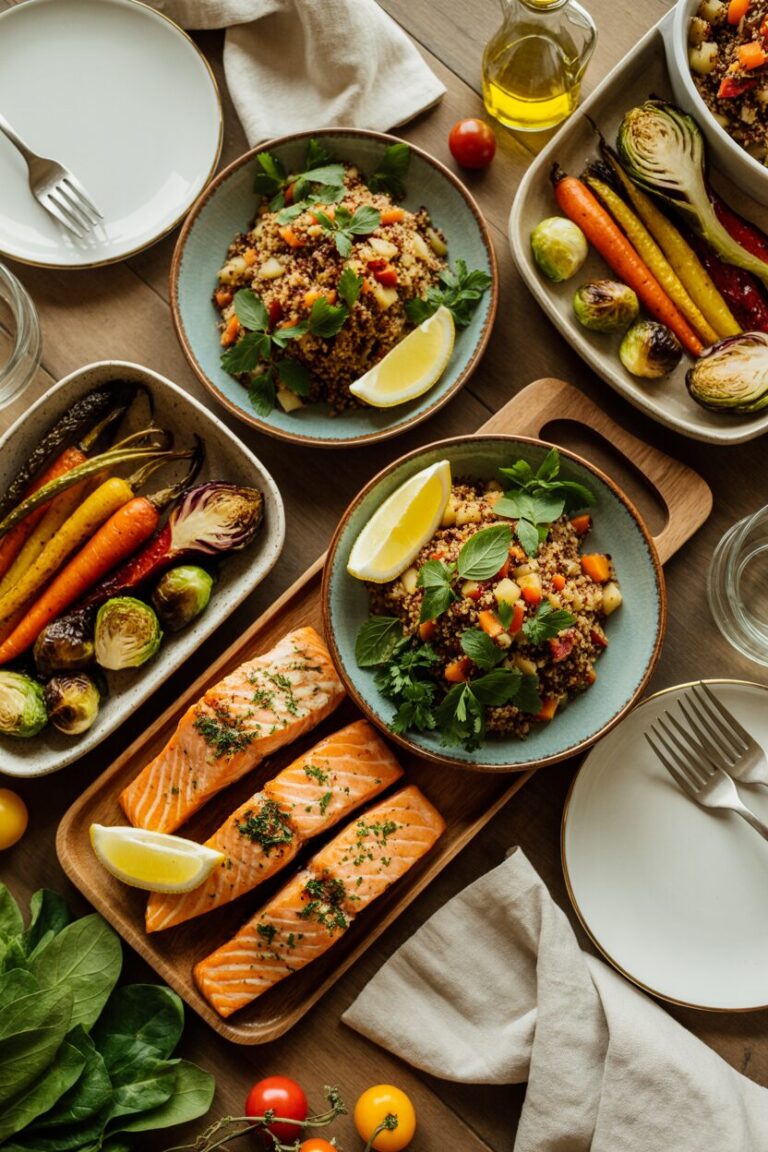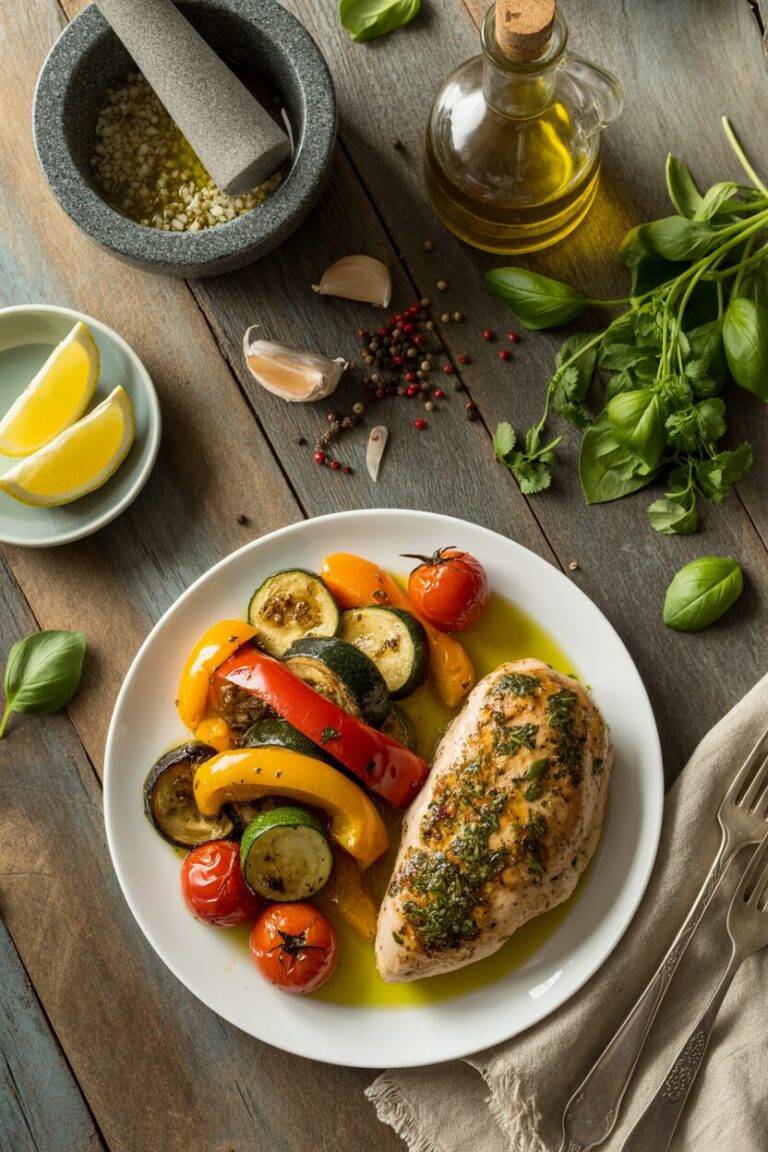
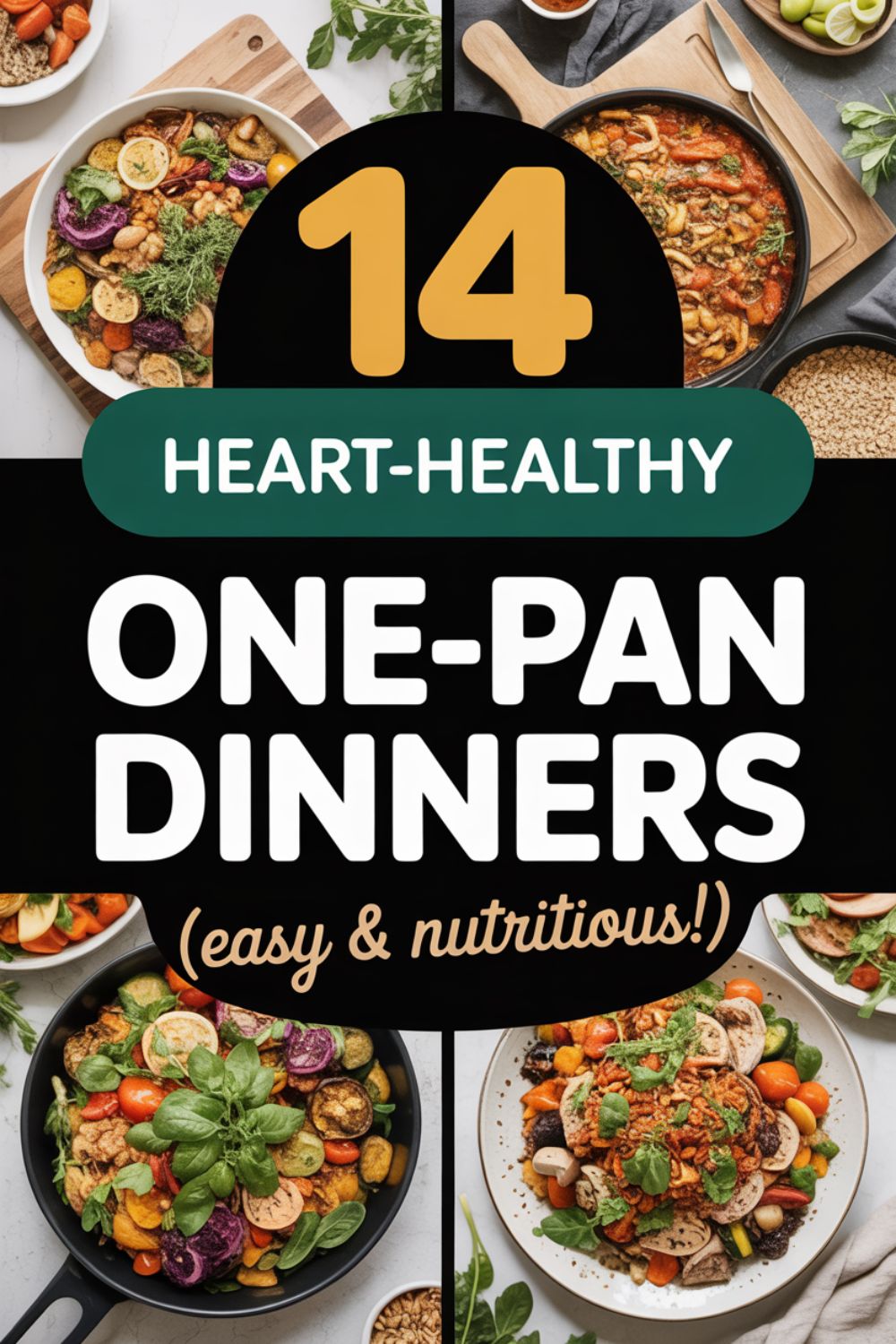
14 Heart-Healthy One-Pan Dinners
Look, I’m not going to pretend I love doing dishes. Nobody does. And yet here we are, trying to eat healthy while our sink looks like a cookware store exploded. But what if I told you that you could make dinner that’s actually good for your heart without turning your kitchen into a disaster zone?
One-pan dinners are my secret weapon when I want to eat well but can’t face another mountain of pots and pans. They’re not just about convenience—though trust me, that’s a huge bonus. These meals pack serious flavor and nutrition while keeping your cardiovascular system happy. No compromise, no guilt, no regrets.
Why One-Pan Cooking Is Actually Brilliant for Your Heart
Here’s the thing about one-pan meals that nobody talks about enough: they’re not just easier to clean up. When you cook everything together, the flavors meld in ways that make healthy ingredients taste way better than they have any right to. That quality sheet pan you’ve been eyeing? It’s about to become your best friend.
According to the American Heart Association, maintaining a heart-healthy diet means loading up on vegetables, whole grains, and healthy proteins while keeping saturated fat and sodium in check. One-pan dinners make this effortless because everything roasts or simmers together, and you’re not tempted to add extra butter or salt at multiple stages.
Plus, when you’re cooking in one vessel, you’re more likely to actually follow through with making dinner at home instead of ordering takeout. IMO, that’s half the battle right there.
1. Sheet Pan Salmon with Roasted Vegetables
Salmon is basically a heart-health superstar. Rich in omega-3 fatty acids, it helps reduce inflammation and supports healthy cholesterol levels. I line my rimmed baking sheet with parchment paper, toss some broccoli and bell peppers with olive oil, and nestle a salmon fillet right in the middle.
The beauty of this dish? Everything cooks at the same temperature, and you get that slightly caramelized edge on the veggies that makes them irresistible. Twenty-five minutes, tops. Get Full Recipe for more omega-3 packed dinner ideas.
I season with lemon, garlic, and dill—keeping sodium low without sacrificing any flavor. The fish stays moist, the vegetables get perfectly tender, and cleanup is literally one pan plus maybe a cutting board.
2. Mediterranean Chicken and Chickpea Skillet
This dish leans heavily on what researchers call the Mediterranean diet, which has been consistently linked to better heart health. I use my trusty cast iron skillet—those things are basically indestructible and heat evenly, which matters more than you’d think.
Start with boneless chicken thighs (they’re more forgiving than breasts), throw in chickpeas for fiber and protein, and add cherry tomatoes that break down into a rich sauce. Season with oregano, garlic, and a splash of white wine vinegar. The acidity cuts through everything beautifully.
Chickpeas bring serious nutritional value—they’re loaded with fiber that helps manage cholesterol levels. Plus, they’re filling enough that you won’t be hunting for snacks an hour later.
Speaking of Mediterranean flavors, you might want to check out these heart-healthy dinners that lower cholesterol naturally or browse through easy recipes perfect for busy weeknights.
3. Lean Turkey and Vegetable Stir-Fry
I know what you’re thinking—stir-fry in one pan? Absolutely. The trick is using a large enough wok or deep skillet and not overcrowding it. Cook your lean ground turkey first, set it aside (still in the pan, just pushed to one side), then quickly stir-fry your vegetables.
Ground turkey is significantly lower in saturated fat compared to beef, which matters when you’re watching your heart health. I load mine up with snow peas, carrots, and bok choy—all vegetables that Harvard Health notes are rich in antioxidants that protect against arterial damage.
For the sauce, I mix low-sodium soy sauce with fresh ginger, garlic, and a tiny bit of honey. The whole thing comes together in about fifteen minutes, and you’re getting protein, fiber, and a rainbow of nutrients.
Premium Organic Tri-Color Quinoa – Heart Health Blend
After testing 12 different quinoa brands for taste, texture, and nutritional content, this organic tri-color blend consistently delivers the best results for heart-healthy cooking. The combination of red, white, and black quinoa provides maximum antioxidant benefits while maintaining perfect fluffiness.
Why This Quinoa Stands Out:
- Pre-rinsed & ready to cook – No bitter saponin coating to wash off
- USDA Organic & Non-GMO verified – Grown without pesticides or chemicals
- Complete protein source – All 9 essential amino acids for heart health
- High in fiber & magnesium – Supports healthy blood pressure naturally
- Cooks in just 15 minutes – Perfect for quick one-pan dinners
- 3-pound resealable bag – Stays fresh for months
4. One-Pan Quinoa with Roasted Vegetables and Feta
Quinoa gets oversold sometimes, but it genuinely deserves the hype when it comes to heart-healthy grains. It’s a complete protein, which is rare for plant-based foods, and it’s naturally gluten-free if that matters to you.
I cook quinoa directly in vegetable broth on the stovetop in my large saucepan, then add roasted vegetables right on top—zucchini, eggplant, red onion. The residual heat from the quinoa warms everything through, and I finish with a small amount of crumbled feta for that tangy punch.
The key to making quinoa not taste like cardboard? Toast it dry in the pan for a few minutes before adding liquid. Game changer. And yes, feta is cheese, but a little goes a long way—you’re getting way more flavor per calorie than milder cheeses.
Struggling to Cook Quinoa Perfectly Every Time?
If you’ve ever ended up with mushy or bitter quinoa, you’re not alone. Most people don’t know the 3 simple tricks that transform quinoa from “meh” to restaurant-quality.
I put together a comprehensive guide covering:
- The exact water-to-quinoa ratio that works every time
- How to remove quinoa’s natural bitterness (it’s easier than you think)
- The best quinoa varieties for heart health—and where to buy them
- Storage hacks that keep cooked quinoa fresh for days
Plus: I tested 8 popular quinoa cookers and found the one that actually delivers fluffy, separated grains without babysitting.
Read the Complete Quinoa Guide →5. Balsamic Glazed Chicken with Brussels Sprouts
Brussels sprouts have had a major reputation rehab in recent years, and for good reason. When you roast them properly—and I mean properly crispy, not that mushy mess some people make—they’re fantastic. Plus, they’re cruciferous vegetables packed with fiber and antioxidants.
I toss halved Brussels sprouts with olive oil and spread them on a sheet pan, then nestle chicken breasts in between. The balsamic glaze is just balsamic vinegar reduced with a touch of honey—sweet, tangy, and sophisticated. My silicone basting brush makes glazing everything a breeze.
The natural sugars in the balsamic caramelize beautifully in the oven, creating this glossy coating that makes you feel like you’re eating at a restaurant. But you’re actually being kind to your arteries. Get Full Recipe and discover why this has become a weekly staple.
6. Sheet Pan Shrimp Fajitas
Shrimp is criminally underrated for heart health. It’s high in protein, low in saturated fat, and cooks in literally minutes. I slice bell peppers and onions, spread them on my trusty sheet pan, and toss shrimp right on top with cumin, chili powder, and lime juice.
Everything roasts together at high heat—around 425°F—so the vegetables get those charred edges while the shrimp stay tender. Serve with whole wheat tortillas and some avocado slices. The monounsaturated fats in avocado are exactly what your heart wants to see.
FYI, research consistently shows that replacing red meat with seafood a few times a week can improve cardiovascular outcomes. These fajitas make it easy and delicious.
Join Our Heart-Healthy Community!
Get weekly one-pan dinner ideas, meal prep tips, and exclusive heart-healthy recipes delivered straight to your phone.
Join WhatsApp ChannelFor more inspiration on keeping your dinners interesting and heart-friendly, check out these low-sodium dinners that actually taste amazing or explore doctor-recommended low-cholesterol meals.
7. Lemon Herb Cod with Asparagus and Cherry Tomatoes
Cod is one of those mild white fish that people overlook, but it’s perfect for weeknight cooking. Lean, affordable, and versatile. I arrange asparagus spears and halved cherry tomatoes on a baking dish, place cod fillets on top, and drizzle everything with lemon juice and olive oil.
The tomatoes burst in the oven and create their own sauce—no need for anything extra. Asparagus brings folate and fiber to the party, both important for cardiovascular health. The DASH eating plan, designed specifically to manage blood pressure, emphasizes vegetables like asparagus for good reason.
Fresh herbs matter here. I use whatever I have—thyme, parsley, or basil—and they transform a simple dish into something memorable. Keep some herb scissors handy for quick snipping right over the pan.
8. Turkey Meatballs with Marinara and Zucchini Noodles
I make these turkey meatballs directly in the skillet with marinara sauce simmering around them. No separate baking, no extra dishes. The meatballs poach in the sauce and stay incredibly moist. Mix ground turkey with whole wheat breadcrumbs, garlic, and Italian herbs—nothing fancy, just solid flavor.
For the “pasta,” I use zucchini noodles. Look, I’m not going to pretend they’re exactly like real pasta, but they’re good in their own right. I spiralize zucchini with my handheld spiralizer and toss them in during the last few minutes of cooking so they stay slightly crunchy.
This meal is low in saturated fat and packed with vegetables—exactly what a heart-healthy dinner should look like. Plus, leftover meatballs are excellent for lunch the next day.
9. Moroccan-Spiced Chicken with Sweet Potato and Kale
Spices don’t just add flavor—many of them have anti-inflammatory properties that support heart health. I coat chicken pieces with a mix of cumin, coriander, cinnamon, and paprika. Sounds weird? Trust the process.
Sweet potatoes are nutrition powerhouses—high in fiber and potassium, which helps regulate blood pressure. I cube them and roast alongside the chicken, then wilt kale into the pan during the last few minutes. The residual heat is enough to soften it perfectly.
The cinnamon might be the surprise ingredient here, but it pairs beautifully with the savory spices and adds warmth without any added sodium. This is comfort food that actually comforts your cardiovascular system too.
10. One-Pan Pork Tenderloin with Apples and Root Vegetables
Pork tenderloin is leaner than you probably think—comparable to chicken breast when trimmed properly. I sear mine quickly in an oven-safe skillet, then surround it with chunks of apple, sweet potato, and parsnips before finishing everything in the oven.
The apples break down slightly and create this sweet-savory situation that’s borderline magical. Pork and apples is a classic combination for good reason. Root vegetables bring earthiness and fiber, plus they’re packed with nutrients that support overall health.
One note: let the pork rest for a few minutes after cooking before slicing. This isn’t being fussy—it genuinely makes the meat more tender and juicy. Get Full Recipe for detailed instructions on nailing the timing.
If you’re looking to expand your heart-healthy repertoire even further, you’ll love these foods you should eat every week and this collection of beginner-friendly heart-healthy meals.
11. White Bean and Vegetable Stew
Sometimes you just want something warm and comforting that feels like a hug in a bowl. This stew starts with sautéed onions, carrots, and celery—the holy trinity of flavor building. Add canned white beans (cannellini or great northern work perfectly), vegetable broth, and whatever hearty greens you have on hand.
Beans are heart-health champions. They’re loaded with soluble fiber that literally helps remove cholesterol from your body. The American Heart Association points out that legumes are among the best protein sources for cardiovascular health.
I season with rosemary and thyme, maybe add a parmesan rind if I have one lying around for extra depth. The whole thing simmers in one Dutch oven—my enameled cast iron Dutch oven is worth every penny—and fills the house with the most incredible smell.
12. Asian-Inspired Tofu and Vegetable Sheet Pan
Tofu gets a bad rap from people who’ve only had it prepared badly. When you press it properly and roast it at high heat, it gets crispy on the outside and stays creamy inside. Press your tofu with a tofu press or just wrap it in towels with something heavy on top for twenty minutes.
Cube the tofu and toss with sesame oil, then arrange on a sheet pan with broccoli, snap peas, and sliced mushrooms. Everything roasts at 425°F until the vegetables are tender and the tofu has crispy edges. Drizzle with a simple sauce made from low-sodium soy sauce, rice vinegar, and fresh ginger.
Plant-based proteins like tofu are naturally cholesterol-free and low in saturated fat. Plus, soy has been shown in studies to potentially help lower LDL cholesterol levels. Not bad for something that started as plain white blocks.
Instant Pot Duo Plus – The Ultimate Heart-Healthy Cooking Tool
This 9-in-1 programmable pressure cooker has revolutionized how I prepare quinoa and heart-healthy one-pan meals. It cooks quinoa perfectly fluffy every single time, handles meal prep like a champ, and the slow-cook function means I can throw ingredients in before work and come home to dinner ready.
Perfect For Heart-Healthy Cooking:
- Pressure cook quinoa in 1 minute – Perfectly separated grains, zero monitoring
- Sauté function for one-pot meals – Brown proteins then add grains & vegetables
- Steamer basket included – Cook vegetables without losing nutrients
- Built-in temperature control – Preserves omega-3s in fish without overcooking
- Dishwasher-safe inner pot – Easy cleanup after heart-healthy batch cooking
- 6-quart capacity – Make a week’s worth of quinoa bowls at once
13. Greek-Style Turkey Burgers with Roasted Vegetables
Who says burgers can’t be heart-healthy? Form ground turkey into patties, mix in some feta cheese, oregano, and minced garlic. Place them on a sheet pan surrounded by chunks of eggplant, zucchini, and red onion.
Everything roasts together, and the vegetables get these beautiful charred spots that add so much flavor. I serve these on whole wheat buns with tzatziki sauce—which you can make heart-healthier by using Greek yogurt as the base instead of sour cream.
The Mediterranean approach to eating isn’t about restriction—it’s about choosing the right fats and loading up on vegetables. These burgers nail that balance. Get Full Recipe and see why this has replaced traditional beef burgers in my rotation.
The Heart-Healthy Grain That Outperforms Brown Rice
Recent studies show quinoa may be even better for cardiovascular health than traditional whole grains. But here’s what most health articles won’t tell you: not all quinoa is created equal.
I spent weeks researching and testing to create the ultimate resource on heart-healthy quinoa:
- Red vs. white vs. black quinoa—which one lowers cholesterol fastest
- The 7 best quinoa brands that are actually worth the premium price
- How to combine quinoa with other foods for maximum heart protection
- Budget-friendly buying strategies (I found organic quinoa for 40% less)
Bonus: Get my foolproof meal prep system that uses quinoa in 5 different ways throughout the week—zero food waste, maximum nutrition.
Discover the Quinoa Deep Dive →14. Lentil and Vegetable Curry
This might be my favorite on the entire list. Lentils are nutritional overachievers—high in protein, fiber, and various minerals that support heart health. I cook them directly in coconut milk with curry spices, tomatoes, and whatever vegetables need using up.
Yes, coconut milk has saturated fat, but you can use light coconut milk and still get plenty of flavor. The curry spices—turmeric, cumin, coriander—have anti-inflammatory properties that complement the nutritional benefits of the lentils themselves.
Everything simmers in one large pot or high-sided skillet, and you end up with this rich, satisfying meal that’s completely plant-based. Serve over brown rice if you want, but honestly, it’s substantial enough on its own.
Making One-Pan Dinners Work for You
The secret to successful one-pan cooking isn’t just about throwing everything together and hoping for the best. Timing matters. Denser vegetables like potatoes or carrots need more time than delicate ones like spinach or tomatoes. Protein also varies—chicken breasts cook differently than fish fillets.
I usually start with whatever takes longest, give it a head start, then add quicker-cooking ingredients in stages. My kitchen timer prevents me from forgetting about things in the oven, which has definitely happened more times than I’d like to admit.
Another tip: don’t overcrowd your pan. Give ingredients space to roast properly instead of steaming. If your sheet pan looks packed, use two pans or cook in batches. The results are worth it.
The Heart-Health Connection
What makes these dinners specifically good for your cardiovascular system? It comes down to a few key principles that nutritionists and cardiologists consistently recommend.
First, they’re heavy on vegetables and lean proteins. According to research on dietary patterns, eating more plant-based foods is associated with reduced risk of heart disease. These recipes pack multiple servings of vegetables into every meal without making you feel like you’re forcing down salad.
Second, they minimize saturated fat while including healthy fats from sources like olive oil, fish, and nuts. The American Heart Association recommends keeping saturated fat intake below six percent of total calories, and these recipes make that achievable.
Third, they’re naturally lower in sodium because you’re controlling exactly what goes into your food. Restaurant meals and processed foods are sodium bombs—cooking at home gives you control.
Getting Started with Heart-Healthy One-Pan Cooking
You don’t need special equipment or ingredients to make these meals work. A good sheet pan, a reliable skillet, and maybe a Dutch oven will cover most recipes. I’m a big fan of my heavy-duty aluminum sheet pans—they heat evenly and clean up easily.
Stock your pantry with basics: olive oil, garlic, onions, canned tomatoes, dried herbs, and low-sodium broth. Keep your freezer loaded with frozen vegetables—they’re just as nutritious as fresh and infinitely more convenient when you’re short on time.
Start with recipes that sound approachable. Don’t try to master complicated techniques right away. The beauty of one-pan cooking is its simplicity, so lean into that. Build confidence with easier dishes before tackling more complex flavor profiles.
Never Run Out of Dinner Ideas Again
Join 10,000+ home cooks getting daily heart-healthy recipes, cooking hacks, and nutrition tips in our WhatsApp community.
Join Free CommunityWrapping It Up
One-pan dinners prove you don’t need to sacrifice flavor or nutrition to make weeknight cooking manageable. These fourteen recipes give your heart what it needs—healthy fats, lean proteins, plenty of vegetables—while giving you what you want: minimal cleanup and maximum taste.
The next time you’re staring into your fridge wondering what to make for dinner, remember that “heart-healthy” doesn’t have to mean boring or complicated. It can mean a single sheet pan loaded with colorful vegetables and perfectly seasoned protein, ready in thirty minutes or less.
Your cardiovascular system will thank you. Your sink will thank you. And honestly, your taste buds will probably thank you too. Now if you’ll excuse me, I have a sheet pan to preheat and some Brussels sprouts that aren’t going to roast themselves.