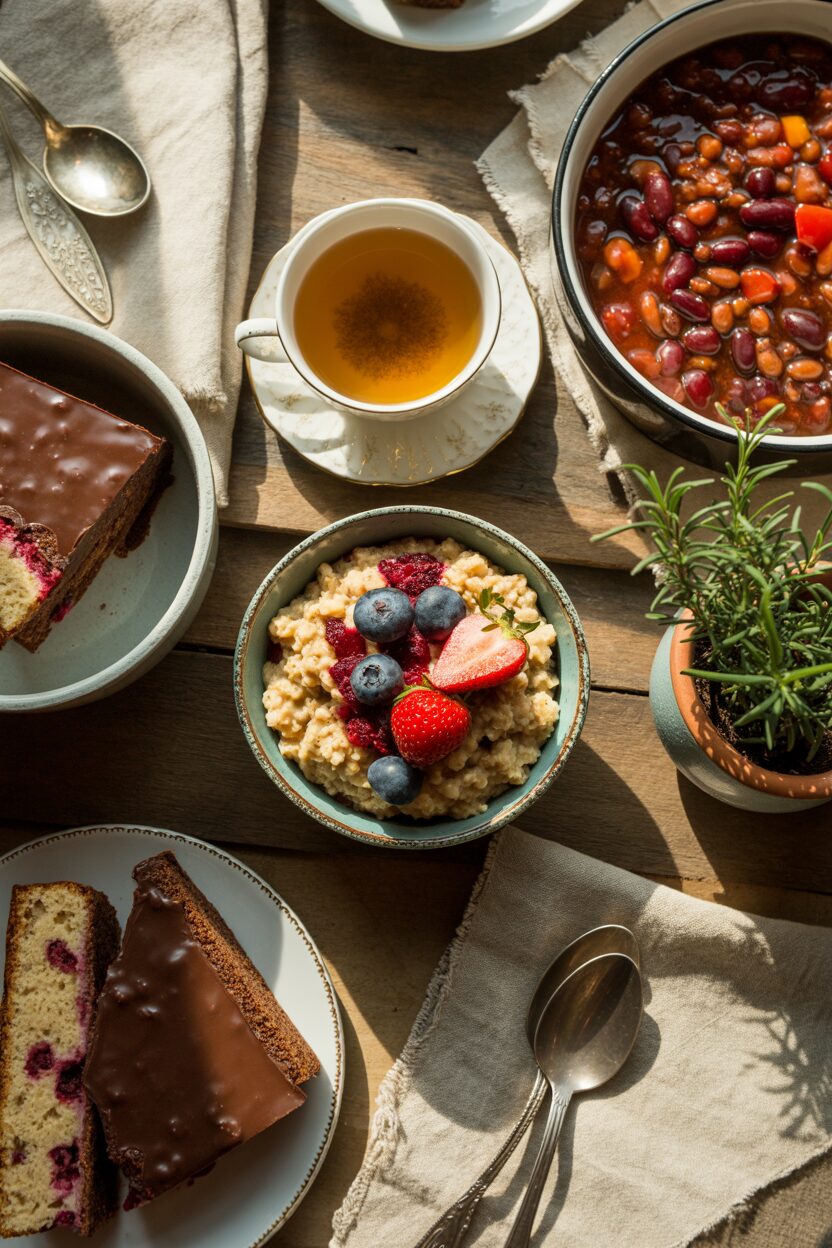
10 Heart-Healthy Comfort Foods That Feel Indulgent
Look, I’m not about to tell you to give up comfort food. That’s just cruel. But here’s the thing—comfort food doesn’t have to mean clogged arteries and regret. I’ve spent years figuring out how to keep the cozy, soul-warming goodness of my favorite dishes while actually doing my heart some favors. And honestly? Some of these swaps taste even better than the originals.
So let’s talk about comfort foods that won’t have your cardiologist sending you passive-aggressive emails. These are the dishes that feel like a warm hug but are secretly packed with heart-healthy ingredients. No boring salads here—just real food that happens to love you back.
Why Your Heart Deserves Better (But Still Wants Comfort)
Here’s what nobody tells you about heart-healthy eating: it doesn’t have to feel like punishment. The American Heart Association has been saying for years that a diet rich in whole grains, healthy fats, and lean proteins can significantly reduce your risk of cardiovascular disease. But they don’t always mention that you can achieve this while still eating food that makes you happy.
I used to think heart-healthy meant cardboard crackers and steamed everything. Then I realized I was just doing it wrong. The secret isn’t deprivation—it’s substitution and smart ingredient choices. You can have your comfort food and eat it too, as long as you know which ingredients to embrace and which ones to politely show the door.
1. Dark Chocolate Avocado Mousse
Yeah, I know what you’re thinking. Avocado in dessert sounds like something a wellness influencer made up while doing hot yoga. But hear me out—this stuff is legitimately incredible.
Avocados are loaded with monounsaturated fats, the kind that actually help lower bad cholesterol levels. According to research on healthy fats and cardiovascular health, these fats can reduce your risk of heart disease when they replace saturated fats in your diet. Dark chocolate (the real stuff, at least 70% cacao) brings antioxidants called flavonoids that support healthy blood flow.
The texture is ridiculously creamy—like the kind of mousse you’d pay $12 for at a fancy restaurant. You blend ripe avocados with cocoa powder, a touch of maple syrup, and vanilla extract. The avocado flavor completely disappears, leaving just rich, chocolatey goodness. I swear by this tiny melon baller for pitting avocados perfectly—makes the job weirdly satisfying, and no mangled fruit casualties.
Here’s the thing: traditional mousse is basically heavy cream and egg yolks having a party in your arteries. This version gives you the same indulgent experience with ingredients that actually benefit your cardiovascular system. Plus, you can feel smug about eating chocolate for breakfast. Not that I’ve done that. Repeatedly.
2. Baked Sweet Potato Fries with Herbs
French fries are non-negotiable comfort food. But regular fries? They’re basically just vehicles for oil and salt. Sweet potato fries, though—they’re a completely different story.
Sweet potatoes are packed with beta-carotene, fiber, and potassium. That potassium is crucial for heart health because it helps regulate blood pressure. I coat mine in just a tiny bit of olive oil (another heart-healthy fat), then go wild with herbs—rosemary, thyme, smoked paprika, whatever’s calling to me.
The trick is getting them crispy. You need high heat and you absolutely cannot crowd the pan. Give those fries space to breathe, people. I use this silicone baking mat on everything short of cereal bowls—zero sticking, zero scrubbing, and your fries get that perfect crispy exterior.
Cut them thin, season them well, and bake at 425°F until they’re golden and crispy on the edges. They’ve got that same satisfying crunch and salty comfort as regular fries, but your heart won’t hate you for it. Serve them with a yogurt-based dipping sauce instead of mayo, and you’ve basically won the healthy comfort food lottery.
Speaking of satisfying sides, you might want to check out these herb-roasted root vegetables or this collection of healthy vegetable sides that pair perfectly with just about anything.
3. Creamy Cauliflower Alfredo Sauce
Alfredo sauce is basically liquid happiness. It’s also basically liquid butter and cream, which is less ideal for your cardiovascular system. But cauliflower? Cauliflower is a sneaky little genius.
When you steam cauliflower until it’s soft, then blend it with garlic, nutritional yeast, and a splash of pasta water, something magical happens. You get this creamy, savory sauce that coats pasta like traditional Alfredo, but with a fraction of the saturated fat. Cauliflower is part of the cruciferous vegetable family, which research links to reduced inflammation and better heart health.
I add a bit of lemon juice for brightness and some white pepper for depth. The nutritional yeast brings that cheesy, umami flavor without actual cheese. Don’t get me wrong—I love cheese. But when you can get the same comfort with way more fiber and way less artery drama? That’s a win.
This sauce works on pasta, obviously, but I’ve also used it on roasted vegetables, as a pizza base, and even stirred into soup. It’s versatile, it’s delicious, and nobody ever guesses it’s cauliflower. I’ve served this to people who claim to hate cauliflower and they’ve asked for seconds. Get Full Recipe.
A high-powered blender makes all the difference for getting that silky-smooth texture. I rely on this immersion blender for quick blending right in the pot—no transferring hot liquids, no mess.
4. Salmon Tacos with Mango Salsa
Tacos are pure comfort food, and salmon is basically the golden child of heart-healthy proteins. Omega-3 fatty acids in fatty fish like salmon have been shown to reduce triglycerides, lower blood pressure, and decrease the risk of heart disease, according to extensive cardiovascular research.
I season salmon fillets with cumin, chili powder, and a little lime zest, then either bake or pan-sear them until they’re just cooked through. The fish flakes apart beautifully, and you pile it into whole grain or corn tortillas with a fresh mango salsa.
The salsa is where this gets really good. Diced mango, red onion, jalapeño, cilantro, and lime juice. It’s sweet, spicy, tangy, and absolutely addictive. The natural sweetness of the mango plays perfectly against the richness of the salmon. Add some shredded cabbage for crunch and a drizzle of Greek yogurt mixed with lime juice instead of sour cream.
These tacos feel indulgent because they’re so flavorful and satisfying. But you’re getting lean protein, healthy fats, fiber from the tortillas and vegetables, and a boatload of vitamins. Plus, they’re colorful and fun to eat. Food should be enjoyable, and these deliver on every level.
For more protein-packed meals that don’t sacrifice flavor, you’ll love these high-protein dinner ideas and this collection of quick healthy salmon recipes.
5. Steel-Cut Oatmeal with Caramelized Bananas
Oatmeal gets a bad rep for being boring, but that’s only because people make it wrong. Steel-cut oats have a nutty flavor and chewy texture that’s worlds away from instant oatmeal mush.
Oats are loaded with soluble fiber, specifically beta-glucan, which has been proven to lower LDL cholesterol (that’s the bad kind). I cook mine in a mixture of water and unsweetened almond milk, then top them with bananas I’ve caramelized in a tiny bit of coconut oil with cinnamon.
Here’s the method: slice bananas, heat a non-stick pan (I prefer using a mini cast-iron skillet like this one for even heat distribution), add just a touch of coconut oil, place the banana slices in the pan, sprinkle with cinnamon, and let them sit without moving until they’re golden and jammy on one side. Flip once. The natural sugars caramelize and you get this almost dessert-like topping.
Add some chopped walnuts for omega-3s and a drizzle of pure maple syrup if you need it sweeter. This breakfast feels indulgent—like something you’d order at a brunch spot—but it’s keeping your cholesterol in check and giving you sustained energy. The fiber also helps regulate blood sugar, which is crucial for overall cardiovascular health.
If you’re into breakfast meal prep, these overnight oats variations and this high-protein breakfast guide are total game-changers for busy mornings.
6. Black Bean Brownies
I know, I know. Beans in brownies sounds like a crime against dessert. But suspend your disbelief for a minute because these are legitimately fudgy and delicious.
Black beans are an excellent source of fiber and plant-based protein. They’re also packed with folate and magnesium, both of which support heart health. When you blend cooked black beans with cocoa powder, eggs, a bit of honey or maple syrup, and vanilla, you get a batter that bakes into dense, fudgy brownies.
The beans completely disappear into the chocolate flavor. You cannot taste them. I’ve tested this on skeptical friends and family members, and every single person has been shocked when I reveal the secret ingredient. The texture is actually better than traditional brownies—more substantial and satisfying, less likely to crumble into a million pieces.
You can totally toast walnuts in a pan, but I prefer using a mini toaster oven like this one—less babysitting, no burning. Fold some toasted walnuts into the batter for extra heart-healthy fats and a nice textural contrast. These brownies satisfy your chocolate cravings while sneaking in fiber, protein, and nutrients that actually benefit your cardiovascular system.
If you’re into healthy desserts that don’t taste healthy, check out these protein-packed desserts and this guide to baking with alternative flours.
7. Zucchini Noodles with Walnut Pesto
Pasta is comfort food royalty, but traditional white pasta is basically just refined carbs without much nutritional value. Zucchini noodles (or zoodles, if you must) give you that same satisfying twirl-on-your-fork experience with way more vitamins and minerals.
The real star here is the walnut pesto. Traditional pesto uses pine nuts, which are fine but expensive and not particularly remarkable nutritionally. Walnuts, though? They’re loaded with omega-3 fatty acids and have been specifically linked to improved heart health and reduced inflammation.
I make my pesto with toasted walnuts, fresh basil, garlic, lemon juice, olive oil, and a bit of Parmesan (because I’m not a monster—some cheese is fine). Blend it all together and toss with spiralized zucchini. You can eat the zucchini raw for maximum crunch, or quickly sauté it for 2-3 minutes if you prefer it slightly softer.
This dish is light but satisfying, and it’s ready in about 15 minutes. The walnuts give it substance and that rich, savory flavor you crave from comfort food. Plus, you’re getting a massive serving of vegetables without feeling like you’re suffering through “health food.” I love using a handheld spiralizer like this compact one for quick zucchini noodles with minimal cleanup.
8. Greek Yogurt Mac and Cheese
Mac and cheese is the ultimate comfort food. It’s also typically a butter and heavy cream situation that your arteries aren’t thrilled about. But Greek yogurt? Greek yogurt changes everything.
I make a cheese sauce using sharp cheddar (you need less when it’s sharp because the flavor is stronger), Greek yogurt, a little mustard powder, and garlic powder. The Greek yogurt adds creaminess and tang while bringing protein and probiotics to the party. Use whole grain pasta instead of white for extra fiber and nutrients that help stabilize blood sugar.
The key is adding the yogurt off the heat so it doesn’t curdle. Mix your cheese into hot pasta, let it melt, then stir in the Greek yogurt until everything is creamy and combined. The tang from the yogurt actually makes the cheese flavor pop more than it does in traditional mac and cheese.
You can add steamed broccoli, peas, or roasted tomatoes to sneak in more vegetables. IMO, the broccoli version is superior—the florets catch all that cheesy sauce and you get little pockets of flavor in every bite. This tastes indulgent and comforting but has significantly less saturated fat and way more protein than the traditional version. Get Full Recipe.
For the best results, I use this cheese grater to freshly grate sharp cheddar—pre-shredded cheese has anti-caking agents that prevent smooth melting.
Looking for more ways to lighten up your favorite comfort foods? Try these healthy pasta alternatives or this roundup of protein-rich lunch bowls.
9. Chicken and White Bean Chili
Chili is peak comfort food—warm, hearty, satisfying. But traditional beef chili can be heavy on saturated fat. Chicken and white bean chili gives you all that comfort with lean protein and fiber-rich beans.
I use chicken thighs because they stay moist and flavorful, but chicken breast works too if you prefer. Sauté onions, garlic, and poblano peppers, add cubed chicken, white beans (cannellini or great northern), green chiles, chicken broth, cumin, oregano, and a touch of smoked paprika.
Let it simmer until the flavors meld together and the chicken is tender. The white beans break down slightly and thicken the chili naturally—no need for cream or cheese to get that rich, hearty texture. Top with fresh cilantro, a squeeze of lime, and a dollop of Greek yogurt instead of sour cream.
This chili is lighter than traditional beef chili but just as satisfying. The beans provide soluble fiber that helps lower cholesterol, and the lean chicken gives you protein without excess saturated fat. It’s also fantastic for meal prep—the flavors actually improve after a day or two in the fridge. I make a huge batch every couple of weeks and portion it out for easy lunches.
A good Dutch oven makes all the difference for even heat distribution. I swear by this enameled Dutch oven for soups, stews, and chilis—it goes from stovetop to oven seamlessly.
10. Baked Apples with Cinnamon and Oats
When you want something warm and sweet that feels like a hug, baked apples are where it’s at. They taste like apple pie without all the butter and sugar of an actual pie crust.
Core apples (leave the bottom intact so they’re like little bowls), then stuff them with a mixture of oats, chopped walnuts or pecans, cinnamon, a tiny bit of brown sugar or maple syrup, and a pinch of nutmeg. Place them in a baking dish with a splash of apple cider or water, then bake until the apples are tender and the filling is golden.
The apples get soft and slightly caramelized, the filling gets crispy on top, and your kitchen smells like heaven. Apples are high in soluble fiber, particularly pectin, which helps reduce cholesterol levels according to nutritional research. The oats add more fiber, and the nuts bring those heart-healthy fats.
Serve them warm with a scoop of vanilla Greek yogurt or a small drizzle of cream if you’re feeling fancy. They’re sweet enough to satisfy dessert cravings but wholesome enough that you could honestly eat one for breakfast. The portion control is built-in—one apple is one serving—which is weirdly helpful when you’re trying to be mindful about what you eat.
An apple corer makes this job ridiculously easy. This sturdy apple corer creates perfect cavities for stuffing without making a mess of your apples.
The Science Behind Heart-Healthy Comfort
Let’s get real for a second. The American Heart Association recommends a diet rich in fruits, vegetables, whole grains, lean proteins, and healthy fats to reduce the risk of cardiovascular disease. But they don’t always tell you how to make that appealing or sustainable.
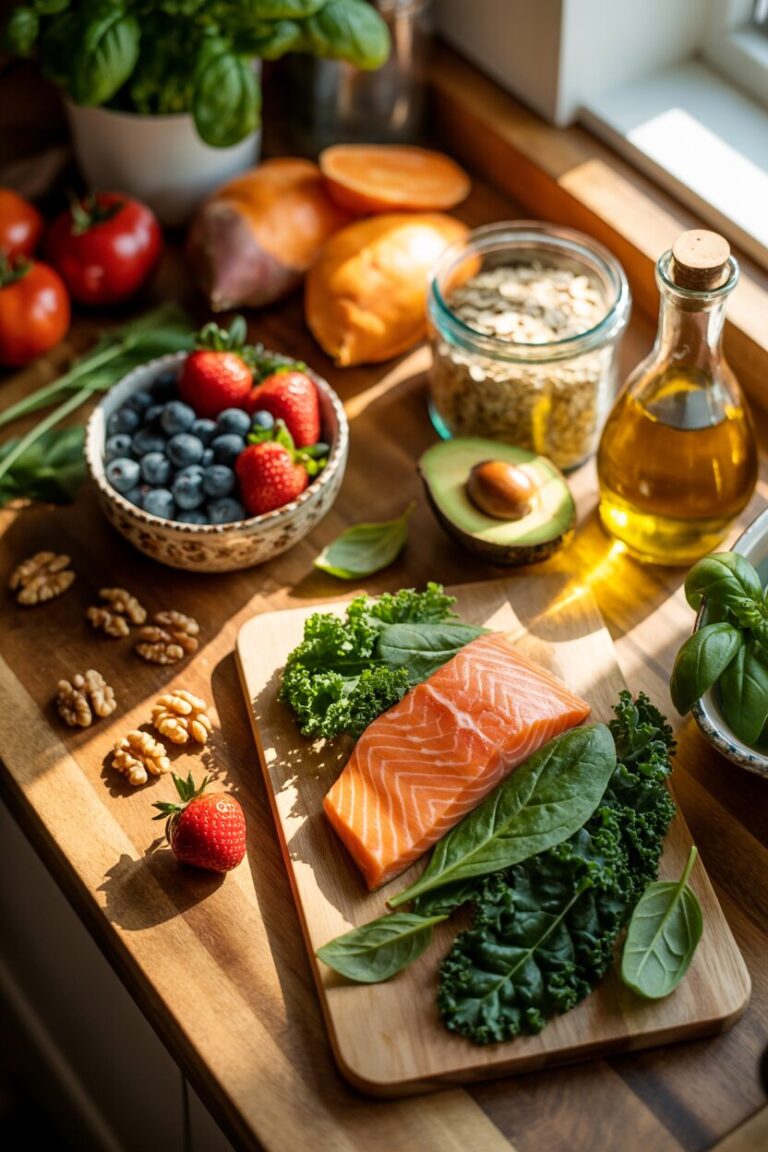
The foods I’ve listed here all incorporate those principles while maintaining the flavors and textures that make comfort food, well, comforting. You’re getting fiber from whole grains, beans, and vegetables. You’re getting healthy fats from avocados, nuts, fatty fish, and olive oil. You’re getting lean proteins from chicken, fish, Greek yogurt, and beans.
But more importantly, you’re getting food that you’ll actually want to eat. Sustainability is the secret nobody talks about. You can follow the perfect heart-healthy diet for three weeks, but if you’re miserable the whole time, you’ll eventually crack and end up face-first in a bucket of fried chicken. Not that I’m speaking from experience or anything.
For those wanting to dive deeper into heart-healthy eating patterns, the Mediterranean diet basics and this weekly heart-healthy meal plan provide excellent frameworks you can actually stick with long-term.
Making Heart-Healthy Eating Actually Work
The biggest mistake people make with heart-healthy eating is treating it like a temporary diet instead of a long-term shift in how they approach food. You can’t white-knuckle your way through boring, unsatisfying meals forever. You need to find versions of the foods you love that also happen to be good for you.
That’s what these recipes do. They’re not “diet food.” They’re not sad substitutes for the real thing. They’re legitimately delicious dishes that happen to support your cardiovascular health. Some of them taste even better than their traditional counterparts because the ingredients are fresher, the flavors are brighter, and you’re not weighed down by excessive butter and cream.
Start with one or two of these and see how you feel. You don’t have to overhaul your entire diet overnight. Just swap in a heart-healthy comfort food here and there. Your taste buds will adjust, and eventually, these dishes will become your new comfort food baseline.
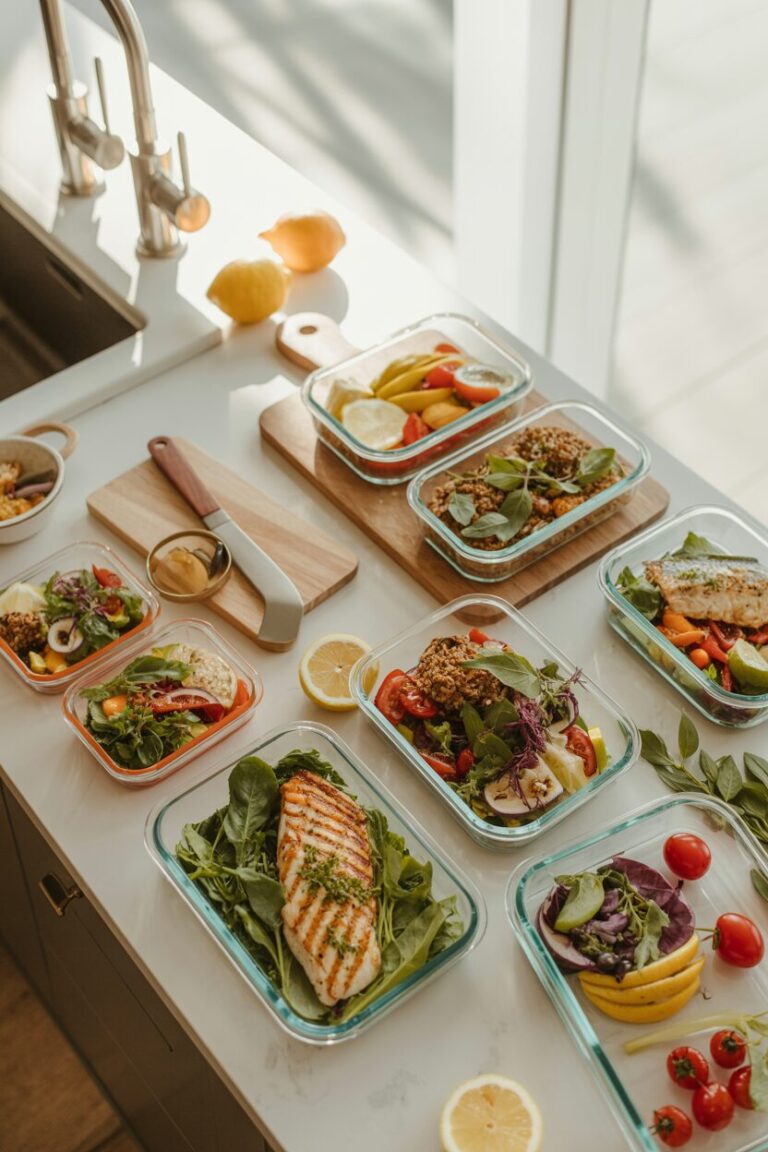
Meal prep containers are essential for making healthy eating sustainable. I use these glass meal prep containers because they’re microwave-safe, don’t retain odors, and stack beautifully in the fridge.
Related Recipes You’ll Love
Looking for more ideas? Here are some recipes that pair perfectly with these heart-healthy comfort foods:
More Breakfast Ideas:
- Try these overnight oats variations for easy meal prep
- This egg white veggie scramble is protein-packed and filling
Quick Snack Options:
- These energy balls with dates and nuts hit the spot
- Homemade hummus with veggie sticks makes snacking easy
Complete Meal Plans:
- Check out this weekly heart-healthy meal plan
- This Mediterranean diet guide breaks down the basics
Final Thoughts
Heart-healthy eating doesn’t mean sacrificing the foods that bring you joy. It means getting creative with ingredients, being willing to try new things, and recognizing that food can be both nourishing and delicious.
These ten comfort foods prove that you can have it all—the warmth, the satisfaction, the pure comfort of good food—while also taking care of your cardiovascular health. And honestly? Once you get used to eating this way, those heavy, overly rich versions of comfort food don’t even appeal anymore. Your body starts craving the foods that make it feel good, not just in the moment, but hours later too.
So go ahead. Make that dark chocolate avocado mousse. Bake those sweet potato fries. Your heart will thank you, and your taste buds won’t feel like they’re missing out on anything. That’s the sweet spot we’re all looking for, and it’s absolutely achievable.